
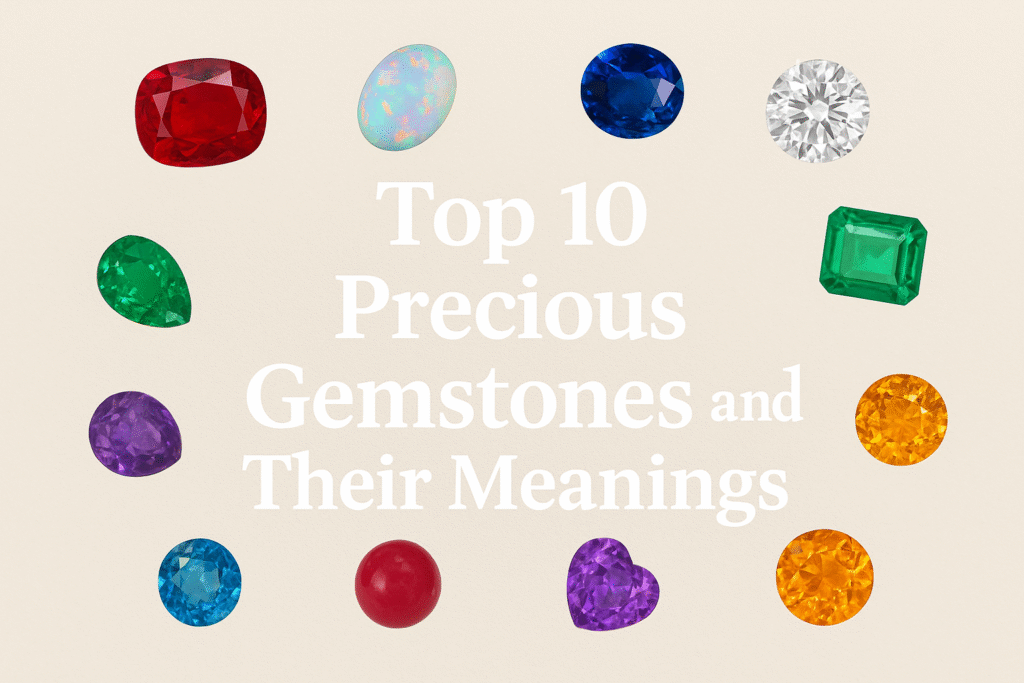
For thousands of years, precious gemstones have captivated humanity with their breathtaking beauty and mysterious allure. From ancient Egyptian pharaohs adorning themselves with lapis lazuli to modern brides receiving diamond engagement rings, these natural treasures have played a significant role in human culture, spirituality, and personal expression.
But gemstones represent far more than mere adornment. Each precious stone carries unique symbolism, spiritual significance, and attributed healing properties that have been passed down through generations. Whether you’re a jewelry enthusiast, crystal healing practitioner, or simply curious about the deeper meaning behind these stunning stones, understanding the significance of precious gemstones can enrich your appreciation and help you choose the perfect stone for your needs.
In this comprehensive guide, we’ll explore the top 10 precious gemstones and their meanings, covering everything from their historical significance to their modern-day symbolism. You’ll discover why certain stones have become associated with love, protection, wisdom, and prosperity—and how you can incorporate these meaningful gems into your own life.
Quick Reference: Precious Gemstones at a Glance
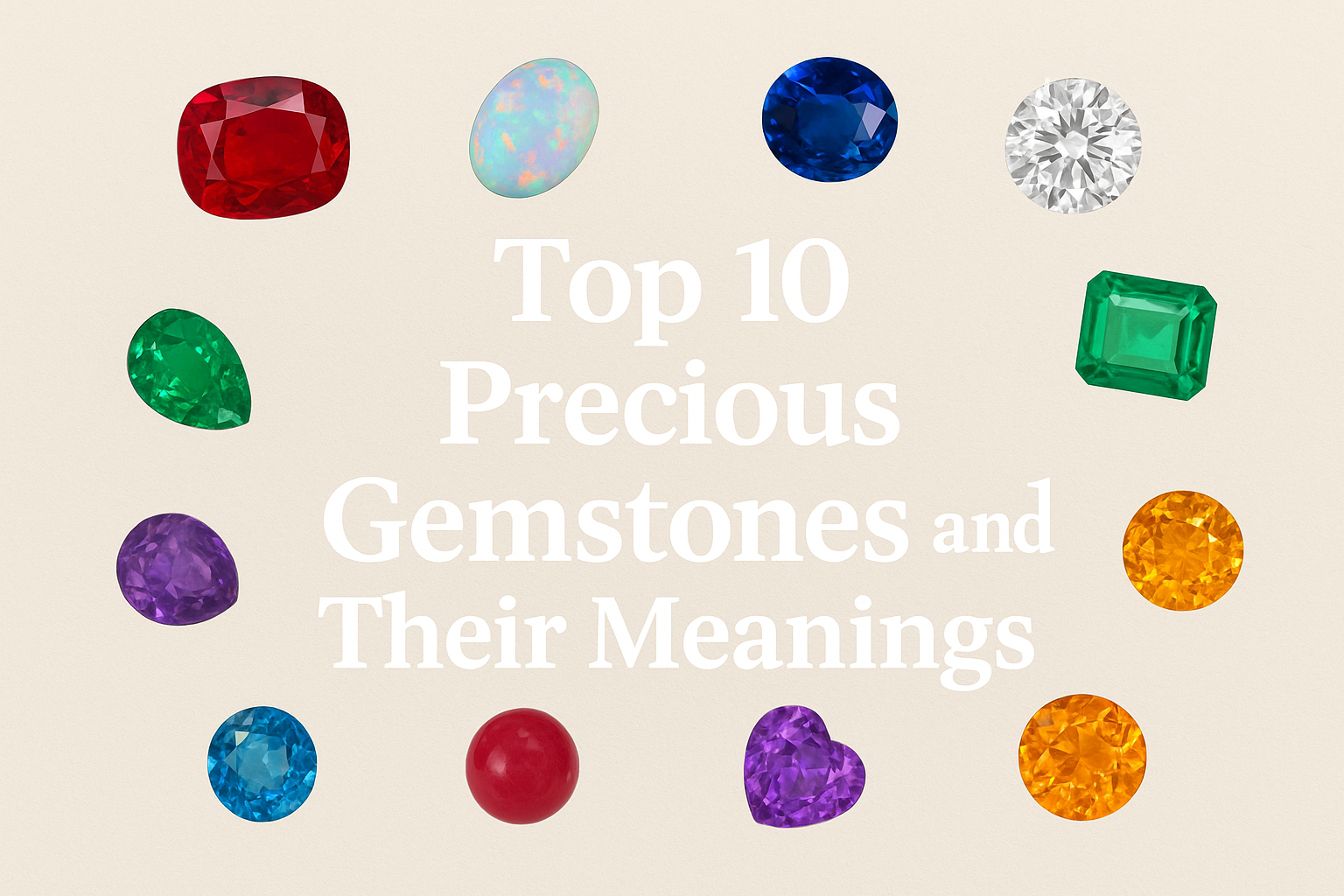
Before diving into the detailed exploration of each gemstone, here’s a quick reference table summarizing the key attributes of our top 10 precious gemstones:
| Gemstone | Primary Meaning | Healing Properties | Best For |
| Diamond | Eternal Love | Clarity, Strength | Engagements |
| Ruby | Passion & Courage | Energy, Vitality | Leadership |
| Emerald | Rebirth & Wisdom | Heart Healing | New Beginnings |
| Sapphire | Wisdom & Royalty | Mental Clarity | Decision-Making |
| Amethyst | Peace & Intuition | Stress Relief | Meditation |
| Opal | Creativity & Hope | Emotional Balance | Artists |
| Pearl | Purity & Integrity | Calming Energy | Brides |
| Aquamarine | Courage & Serenity | Communication | Speakers |
| Garnet | Protection & Trust | Energizing | Travelers |
| Tanzanite | Transformation | Spiritual Growth | Life Changes |
What Makes a Gemstone “Precious”?
Before exploring individual stones, it’s important to understand what distinguishes precious gemstones from semi-precious ones. Traditionally, the gemstone industry classified only four stones as truly “precious”: diamonds, rubies, emeralds, and sapphires. This classification was based on several factors:
- Rarity: Precious stones are found in limited quantities, making them more valuable and sought-after.
- Hardness: These gems score high on the Mohs hardness scale, ensuring durability for daily wear.
- Beauty: Exceptional color, brilliance, and clarity set these stones apart.
- Historical Significance: Centuries of cultural and royal associations have elevated their status.
However, modern gemology has expanded this definition to include other highly valued stones like tanzanite, alexandrite, and fine opals. In this guide, we’ve selected the top 10 gemstones based on their beauty, significance, and the depth of meaning they carry across cultures worldwide.
1. Diamond: The Stone of Eternal Love and Invincibility
Origins and History
The diamond’s name derives from the Greek word “adamas,” meaning “unconquerable” or “invincible”—a fitting name for the hardest natural substance on Earth. Diamonds formed deep within the Earth’s mantle over billions of years under extreme heat and pressure, eventually brought to the surface through volcanic eruptions.
Ancient civilizations believed diamonds were tears of the gods or splinters from falling stars. In Hindu mythology, diamonds were considered so powerful that they were placed in the eyes of devotional statues. The Romans believed that Cupid’s arrows were tipped with diamonds, forever linking this stone to romance and love.
Symbolic Meaning
Diamonds symbolize:
- Eternal love and commitment (hence their use in engagement rings)
- Purity and innocence
- Strength and invincibility
- Clarity of thought and purpose
- Abundance and prosperity
Attributed Healing Properties
In crystal healing traditions, diamonds are believed to amplify energy and intention. Practitioners suggest that diamonds can help with mental clarity, strengthen relationships, and promote fearlessness. The stone is associated with the crown chakra, potentially enhancing spiritual connection and enlightenment.
Best Uses for Diamonds
- Engagement and wedding jewelry
- Milestone anniversary gifts
- Meditation practices focused on clarity
- Heirloom pieces symbolizing lasting bonds
2. Ruby: The King of Gemstones
Origins and History
Rubies have been treasured for millennia, with ancient Sanskrit texts calling them “ratnaraj” or “king of precious stones.” The finest rubies, known for their deep “pigeon blood” red color, have historically come from Myanmar (Burma), though significant deposits also exist in Thailand, Sri Lanka, and East Africa.
Throughout history, rubies have adorned the crowns and regalia of kings and emperors. Warriors in ancient Burma believed that rubies made them invincible in battle—so much so that some would insert rubies into their skin before going to war.
Symbolic Meaning
The ruby’s rich red color has made it a symbol of:
- Passion and romantic love
- Courage and bravery
- Power and leadership
- Vitality and life force
- Protection from negative energies
Attributed Healing Properties
Crystal healing practitioners associate rubies with the root and heart chakras. The stone is believed to stimulate circulation, boost energy levels, and promote passionate engagement with life. Some traditions suggest rubies can help overcome exhaustion and lethargy while encouraging a zest for living.
Best Uses for Rubies
- Anniversary gifts (traditional 40th anniversary stone)
- Leadership or promotion celebrations
- Jewelry for confidence and courage
- July birthstone jewelry
3. Emerald: The Stone of Successful Love
Origins and History
Emeralds have captivated humanity since at least 1500 BCE, when ancient Egyptians first mined them near the Red Sea. Cleopatra was famously passionate about emeralds and claimed ownership of all emerald mines in Egypt during her reign. She frequently wore emeralds and gifted them to foreign dignitaries.
The Spanish conquistadors were astonished to find the Incas and Aztecs using emeralds in jewelry and religious ceremonies, leading to extensive mining operations in Colombia—which remains the world’s premier source of fine emeralds today.
Symbolic Meaning
Emeralds represent:
- Rebirth and renewal (associated with spring)
- Wisdom and growth
- Patience and understanding
- Domestic harmony and unconditional love
- Foresight and good fortune
Attributed Healing Properties
In metaphysical traditions, emeralds are strongly connected to the heart chakra. They’re believed to promote emotional healing, enhance memory, and encourage honesty in relationships. Ancient healers used emeralds to treat eye disorders and believed the green color could restore tired eyes simply by gazing upon the stone.
Best Uses for Emeralds
- 55th wedding anniversary gifts
- May birthstone jewelry
- Gifts celebrating new beginnings
- Meditation focused on emotional healing
4. Sapphire: The Stone of Wisdom and Royalty
Origins and History
While sapphires come in virtually every color, the classic deep blue sapphire has been prized since ancient times. The name derives from the Latin “sapphirus” and Greek “sappheiros,” meaning blue stone. Kashmir, Myanmar, and Sri Lanka have historically produced the finest specimens, with Montana in the United States also yielding distinctive sapphires.
Sapphires have long been associated with royalty and clergy. Kings wore them believing they protected against envy and harm, while medieval clergy wore blue sapphires as symbols of heaven. In modern times, Princess Diana’s engagement ring—now worn by Catherine, Princess of Wales—has made the sapphire more popular than ever.
Symbolic Meaning
Sapphires symbolize:
- Wisdom and learning
- Nobility and royalty
- Truth and sincerity
- Faithfulness and loyalty
- Divine favor and spiritual insight
Attributed Healing Properties
Crystal practitioners connect sapphires primarily with the throat and third eye chakras. The stone is believed to enhance mental clarity, aid in communication, and promote discipline in spiritual practices. Different colored sapphires are said to offer different benefits—pink for emotional healing, yellow for prosperity, and white for spiritual awakening.
Best Uses for Sapphires
- September birthstone jewelry
- 45th wedding anniversary celebrations
- Academic or professional achievements
- Alternative engagement rings
5. Amethyst: The Stone of Peace and Spiritual Protection
Origins and History
Amethyst, a violet variety of quartz, has been highly esteemed throughout history. Its name comes from the Greek “amethystos,” meaning “not intoxicated”—ancient Greeks believed wearing amethyst could prevent drunkenness and promote clear-headedness. For centuries, amethyst was considered equal in value to diamonds, rubies, and emeralds.
The stone held special significance for royalty and clergy; it appears in the British Crown Jewels and was favored by Egyptian pharaohs. Brazilian and Uruguayan deposits discovered in the 19th century made amethyst more accessible, though fine specimens remain highly valued.
Symbolic Meaning
Amethyst represents:
- Peace and tranquility
- Sobriety and clear thinking
- Spiritual protection and purification
- Intuition and psychic awareness
- Humility and devotion
Attributed Healing Properties
In crystal healing, amethyst is one of the most popular stones for meditation and spiritual work. Associated with the third eye and crown chakras, it’s believed to calm the mind, reduce stress and anxiety, and enhance spiritual awareness. Many practitioners keep amethyst clusters in their homes to promote peaceful environments.
Best Uses for Amethyst
- February birthstone jewelry
- Meditation and yoga practices
- Bedroom decor for peaceful sleep
- Recovery and sobriety support
6. Opal: The Stone of Creativity and Inspiration
Origins and History
Opals are truly unique among gemstones, displaying a phenomenon called “play of color”—a shifting rainbow of hues that seems to dance within the stone. Australia produces approximately 95% of the world’s precious opals, though Ethiopia has emerged as an important source of stunning specimens.
Ancient Romans considered opal the most precious and powerful gemstone because it combined the colors of all other gems. Arabic legends claimed opals fell from the heavens in flashes of lightning. Despite a period of superstitious fear in the 19th century, opals have reclaimed their status as beloved and meaningful stones.
Symbolic Meaning
Opals symbolize:
- Creativity and artistic inspiration
- Hope and optimism
- Spontaneity and freedom
- Emotional expression and authenticity
- Imagination and dreams
Attributed Healing Properties
Crystal healers value opal for its emotional healing properties. The stone is associated with the sacral chakra and is believed to help release inhibitions, enhance emotional intelligence, and promote spontaneous expression. Different types of opal are said to offer varying benefits—fire opals for passion, blue opals for communication, and white opals for cosmic consciousness.
Best Uses for Opals
- October birthstone jewelry
- Gifts for artists and creative professionals
- 14th wedding anniversary celebrations
- Unique statement pieces
7. Pearl: The Gem of Purity and Feminine Grace
Origins and History
Unlike other gemstones, pearls are created by living organisms—mollusks form pearls as a defense mechanism against irritants. Natural pearls were once so rare that only royalty and the extremely wealthy could afford them. The development of cultured pearl farming in the early 20th century made these luminous gems accessible to a broader audience.
Pearls hold significance across many cultures. In ancient China, they symbolized wisdom and were believed to guarantee protection from fire. Hindu texts describe pearls as being born from the marriage of lightning and water. Cleopatra famously dissolved a pearl in wine to demonstrate her wealth to Marc Antony.
Symbolic Meaning
Pearls represent:
- Purity and innocence
- Integrity and honesty
- Feminine grace and elegance
- Wisdom gained through experience
- Wealth and prosperity
Attributed Healing Properties
In crystal healing traditions, pearls are associated with the sacral and solar plexus chakras. They’re believed to have calming properties that can reduce stress and promote sincerity. Many practitioners use pearls to enhance personal integrity and encourage modesty and purity of thought.
Best Uses for Pearls
- June birthstone jewelry
- Bridal jewelry and wedding accessories
- 30th wedding anniversary gifts
- Classic, timeless jewelry pieces
8. Aquamarine: The Stone of Courage and Clear Communication
Origins and History
Aquamarine, a pale blue to blue-green variety of beryl, takes its name from the Latin “aqua marina,” meaning “water of the sea.” The finest specimens come from Brazil, though significant deposits exist in Pakistan, Madagascar, and various African nations.
Ancient sailors considered aquamarine a talisman of good luck and protection, believing the stone would ensure safe voyages and guard against seasickness. Roman physicians used aquamarine to treat ailments of the stomach, liver, and throat. Medieval Europeans believed the stone could reawaken married love.
Symbolic Meaning
Aquamarine symbolizes:
- Courage and bravery
- Serenity and calm
- Clear communication and self-expression
- Protection during travel
- Youthfulness and eternal happiness
Attributed Healing Properties
Crystal healing practitioners associate aquamarine with the throat chakra. The stone is believed to facilitate clear communication, reduce fear of public speaking, and help with honest self-expression. It’s also considered a soothing stone that can reduce stress and quiet the mind.
Best Uses for Aquamarine
- March birthstone jewelry
- 19th wedding anniversary gifts
- Gifts for public speakers and teachers
- Travel protection jewelry
9. Garnet: The Stone of Commitment and Energizing Force
Origins and History
Garnets are a family of minerals that come in virtually every color, though red garnets are most famous. The name derives from the Latin “granatum,” meaning pomegranate, due to the resemblance between red garnet crystals and pomegranate seeds. Garnets have been used as gemstones and abrasives since the Bronze Age.
Ancient Egyptians wore garnet jewelry, and Noah reportedly hung a glowing garnet to illuminate the ark during the biblical flood. Medieval warriors and Crusaders carried garnets as protective talismans. In Victorian England, garnets became popular in jewelry as symbols of friendship and trust.
Symbolic Meaning
Garnets represent:
- Deep friendship and trust
- Protection during travel
- Commitment and devotion
- Vitality and energy
- Prosperity in business
Attributed Healing Properties
In crystal healing, garnets are associated with the root chakra and are believed to have energizing and regenerative properties. Practitioners suggest garnets can help with circulation, boost energy levels, and promote feelings of security and stability. Different garnet varieties are attributed with different specific properties.
Best Uses for Garnets
- January birthstone jewelry
- 2nd wedding anniversary gifts
- Gifts symbolizing trust and friendship
- Protection jewelry for travelers
10. Tanzanite: The Stone of Transformation and Spiritual Discovery
Origins and History
Tanzanite is one of the newest gemstones, discovered in 1967 in the Merelani Hills of Tanzania—the only place on Earth where this remarkable blue-violet stone is found. Tiffany & Co. named the stone and introduced it to the market, where it quickly became one of the most sought-after colored gemstones.
Despite its recent discovery, tanzanite has developed significant metaphysical associations. Its unique ability to display different colors when viewed from different angles (pleochroism) has made it a symbol of transformation and spiritual evolution. The limited geographic source and finite supply have added to its mystique and value.
Symbolic Meaning
Tanzanite symbolizes:
- Transformation and positive change
- Spiritual awakening and higher consciousness
- Clarity in thoughts and communication
- New beginnings and fresh starts
- Psychic powers and intuition
Attributed Healing Properties
Crystal practitioners highly value tanzanite for spiritual work, associating it with the throat, third eye, and crown chakras simultaneously. The stone is believed to facilitate communication with higher realms, enhance intuition, and support personal transformation. It’s often used during major life transitions.
Best Uses for Tanzanite
- December birthstone jewelry (modern)
- 24th wedding anniversary celebrations
- Gifts marking major life transitions
- Meditation and spiritual practice
How to Choose the Right Precious Gemstone for You
Selecting a precious gemstone is a deeply personal decision. While aesthetic appeal is important, understanding the meanings and properties of different stones can help you make a choice that resonates with your intentions and needs.
Consider Your Intention
Ask yourself what you hope to gain from or express with your gemstone:
- For love and relationships: Diamond, ruby, or emerald
- For wisdom and clarity: Sapphire or amethyst
- For creativity: Opal
- For communication: Aquamarine
- For protection: Garnet
- For transformation: Tanzanite
Match Your Birthstone
Many people choose gemstones based on their birth month, believing these stones carry special significance for those born during that time. This connection adds personal meaning to your jewelry and can serve as a meaningful gift.
Trust Your Intuition
Sometimes the right gemstone simply calls to you. If you find yourself drawn to a particular stone’s color, energy, or appearance, that attraction may indicate the stone is right for you at this moment in your life.
Caring for Your Precious Gemstones
Proper care ensures your precious gemstones maintain their beauty and energy for generations:
- Clean gently with warm water and mild soap using a soft brush
- Store separately to prevent scratching (especially softer stones like pearls and opals)
- Avoid harsh chemicals including chlorine and household cleaners
- Remove jewelry before swimming, exercising, or heavy work
- Have pieces checked annually by a professional jeweler
Conclusion: Finding Meaning in Precious Stones
The world of precious gemstones offers far more than beautiful adornment. Each stone carries centuries of symbolic meaning, cultural significance, and attributed properties that can add depth and intention to your jewelry choices.
Whether you’re drawn to the eternal love symbolized by diamonds, the passionate courage of rubies, the wise serenity of sapphires, or the transformative energy of tanzanite, there’s a precious gemstone that aligns with your personal journey and aspirations.
Remember that while traditional meanings provide a foundation, your personal connection to a gemstone is what makes it truly meaningful. Trust your instincts, consider your intentions, and choose stones that resonate with your heart and spirit.
Ready to explore precious gemstones? Start by identifying which meanings resonate most with you, then visit reputable jewelers to see these magnificent stones in person. Your perfect gemstone is waiting to become part of your story.
Frequently Asked Questions About Precious Gemstones
Can I Wear Multiple Gemstones Together?
Yes, you can wear multiple gemstones together, and many people find that combining stones creates complementary energies. However, some crystal practitioners suggest avoiding stones with conflicting energies. A common approach is to pair stones that align with similar intentions—for example, combining emerald with rose quartz for heart-centered energy, or pairing sapphire with amethyst for enhanced intuition.
Do Lab-Created Gemstones Have the Same Meanings as Natural Ones?
Lab-created gemstones are chemically identical to their natural counterparts. While traditionalists prefer natural stones for their believed connection to Earth’s energy, many people find lab-created gems equally meaningful. The symbolism associated with each gemstone can be attributed to either natural or lab-created versions, as the meaning often lies in the intention and personal connection you bring to the stone.
How Do I Know If a Precious Gemstone Is Authentic?
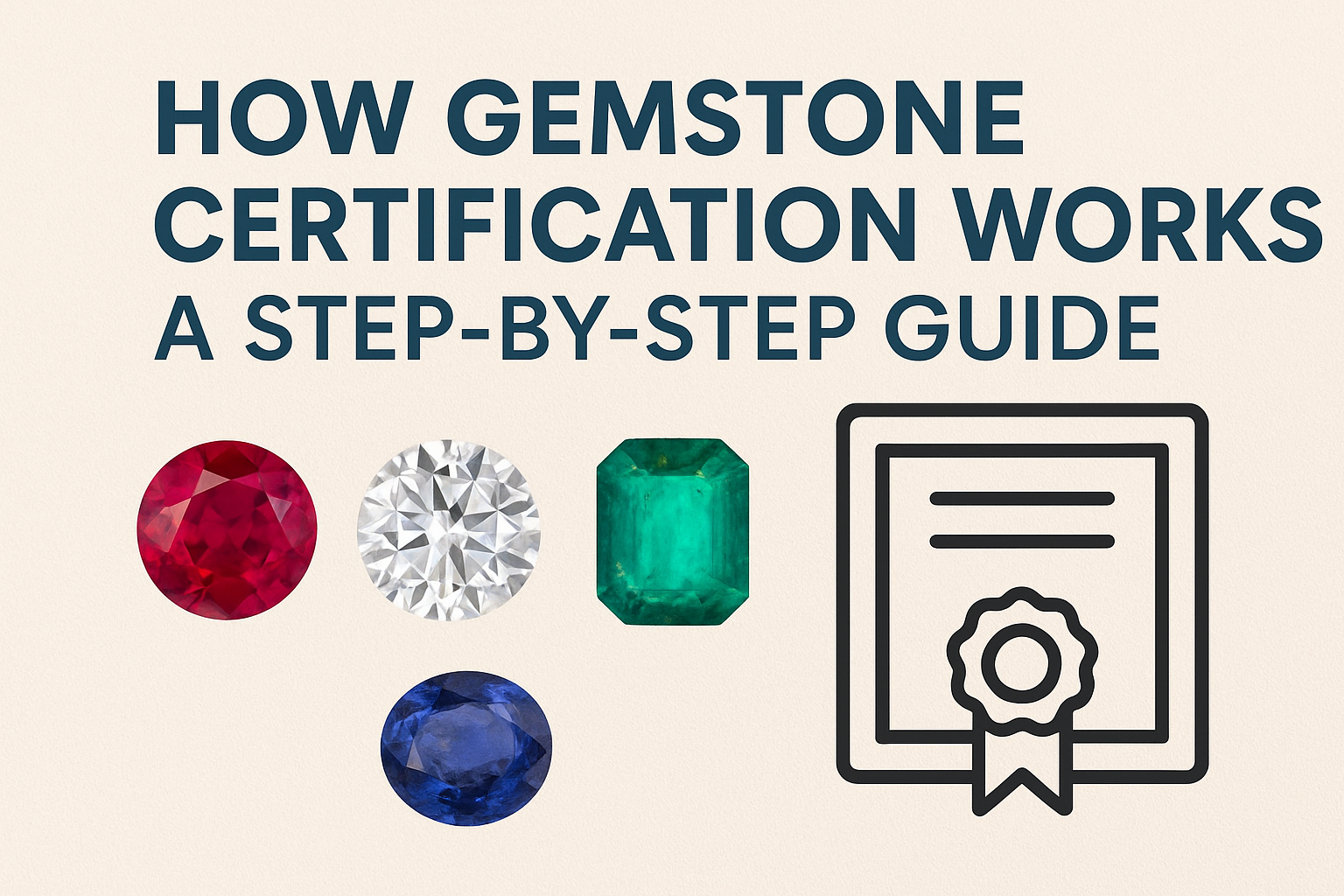
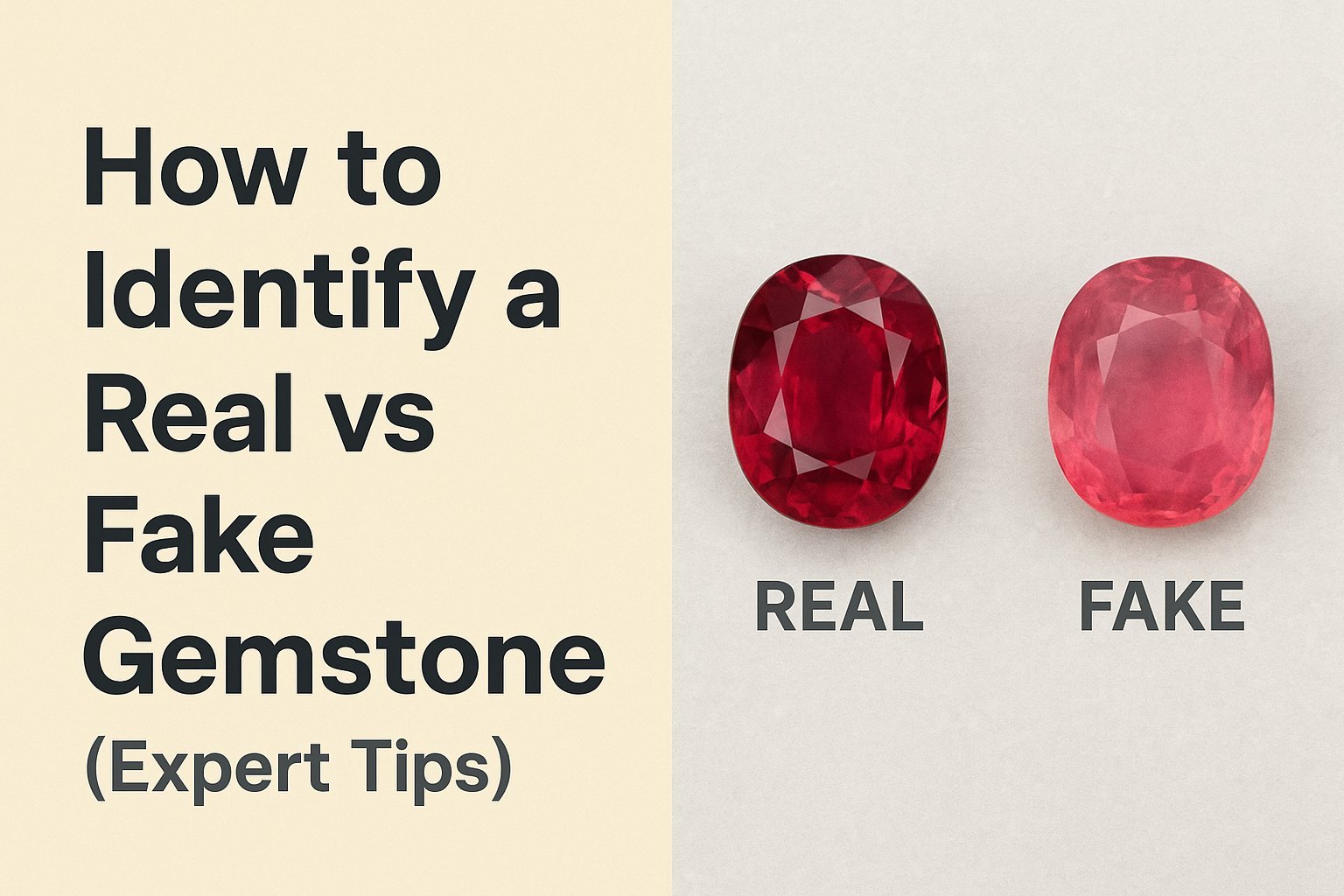
Authentic precious gemstones can be verified through several methods. Purchase from reputable jewelers who provide certification from recognized gemological laboratories such as GIA (Gemological Institute of America) or AGS (American Gem Society). Look for natural inclusions under magnification—most natural stones have some imperfections. If a deal seems too good to be true, it probably is. When in doubt, have the stone examined by an independent certified gemologist.
Which Precious Gemstone Is Best for Everyday Wear?
For everyday wear, consider the stone’s hardness on the Mohs scale. Diamonds (10), rubies and sapphires (9), and topaz (8) are excellent choices for daily wear due to their durability. Emeralds (7.5-8) can be worn daily but require more care due to their typical inclusions. Softer stones like pearls (2.5-4.5) and opals (5.5-6.5) are better suited for occasional wear and should be removed before activities that might damage them.
What’s the Difference Between “Precious” and “Semi-Precious” Gemstones?
Traditionally, only four gemstones were classified as “precious”: diamonds, rubies, emeralds, and sapphires. All other gemstones were considered “semi-precious.” However, modern gemology largely rejects this distinction as arbitrary, since many “semi-precious” stones like tanzanite, alexandrite, and fine opals can be rarer and more valuable than the traditional “precious” four. The terms are now considered outdated by many experts, who prefer to evaluate each stone based on its individual qualities of color, clarity, cut, carat weight, and rarity.