
Timeless Brilliance of Diamonds: Have you ever wondered why diamonds have maintained their status as the world’s most coveted gemstone for centuries? These remarkable crystals, formed billions of years ago deep within Earth’s mantle, represent far more than just beautiful jewelry pieces.
Diamonds symbolize eternal love, celebrate life’s milestones, and serve as tangible investments that span generations. Whether you’re considering purchasing your first diamond engagement ring, exploring investment opportunities, or simply fascinated by these natural wonders, understanding what makes diamonds truly special can help you make informed decisions.
In this comprehensive guide, we’ll explore the geological marvel of diamond formation, decode the industry’s grading standards, examine various diamond types, and provide practical advice for buying, caring for, and valuing these precious stones. By the end, you’ll possess expert-level knowledge about why diamonds remain the ultimate symbol of brilliance and permanence.
The Natural Wonder: How Diamonds Are Formed
The Journey from Carbon to Crystal
Diamonds begin their existence approximately 100 miles beneath Earth’s surface, where extreme conditions create the perfect environment for their formation. The process requires three critical elements:
- Intense pressure: About 725,000 pounds per square inch
- Extreme heat: Temperatures exceeding 2,200 degrees Fahrenheit
- Time: Between 1 to 3.3 billion years for complete crystallization
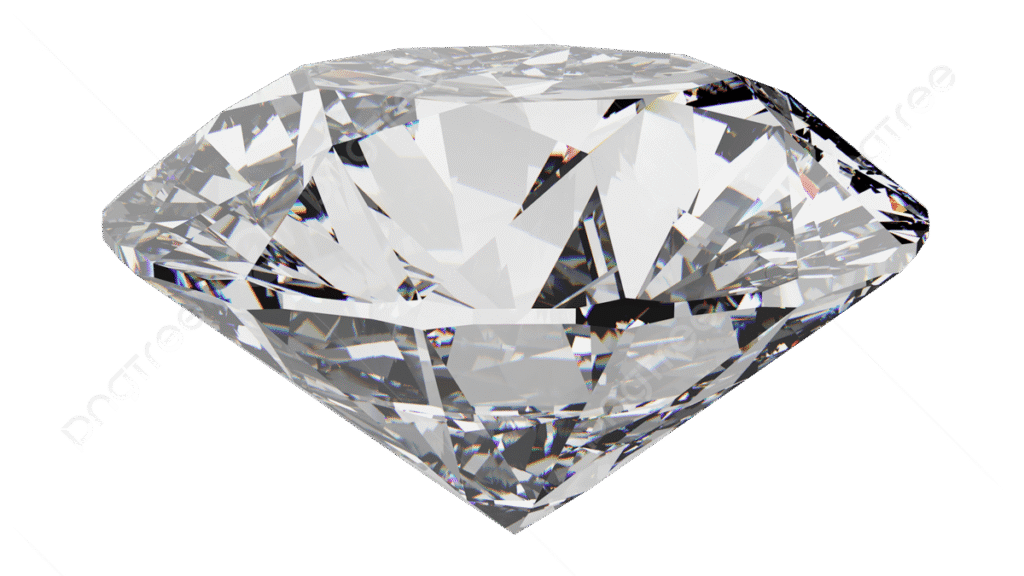
Under these extraordinary conditions, carbon atoms arrange themselves in a unique cubic crystal structure that gives diamonds their exceptional hardness and optical properties. This atomic arrangement makes diamond the hardest naturally occurring substance on Earth, ranking 10 on the Mohs hardness scale.
Volcanic Express: The Journey to Earth’s Surface
Once formed, diamonds remain trapped deep underground until volcanic eruptions provide their ticket to the surface. Kimberlite and lamproite volcanic pipes act as natural elevators, rapidly transporting diamonds upward before they can convert to graphite in lower-pressure environments.
This violent journey explains why diamonds are relatively rare. Only specific volcanic events, occurring in particular geological settings, can successfully deliver diamonds to mineable depths. This geological lottery has created diamond deposits in select locations worldwide, including South Africa, Russia, Botswana, Canada, and Australia.
Understanding the 4Cs: The Universal Diamond Grading System
The Gemological Institute of America (GIA) established the 4Cs grading system in the 1940s, creating a universal language for describing diamond quality. These four characteristics—Cut, Color, Clarity, and Carat Weight—determine a diamond’s value and visual appeal.
Cut: The Most Important Factor for Brilliance
Cut refers to how well a diamond’s facets interact with light, not its shape. A well-cut diamond maximizes brilliance, fire, and scintillation through precise proportions, symmetry, and polish.
Cut Grades (GIA Standard):
- Excellent: Maximum light return and sparkle
- Very Good: Superior light performance
- Good: Adequate brilliance for most observers
- Fair: Noticeably reduced sparkle
- Poor: Significant light leakage
A perfectly cut diamond can make a lower-color or slightly included stone appear more beautiful than a poorly cut diamond with superior color and clarity grades. This is why diamond experts often prioritize cut quality when making recommendations.
Color: From Colorless to Light Yellow
The GIA color scale ranges from D (colorless) to Z (light yellow or brown). Colorless diamonds allow maximum light transmission, creating exceptional brilliance.
Color Grade Ranges:
| Grade | Description | Value Impact |
|---|---|---|
| D-E-F | Colorless | Highest premium |
| G-H-I-J | Near Colorless | Excellent value |
| K-L-M | Faint Yellow | Budget-friendly |
| N-Z | Very Light to Light Yellow | Significantly lower cost |
Most people cannot distinguish between adjacent color grades, especially once mounted in jewelry. Choosing a G or H color diamond instead of D or E can save significant money while maintaining beautiful appearance.
Clarity: Nature’s Unique Fingerprint
Clarity measures the presence of internal characteristics (inclusions) and external blemishes. Because diamonds form under extreme conditions, most contain unique identifying features.
GIA Clarity Scale:
- FL/IF (Flawless/Internally Flawless): No inclusions visible under 10x magnification
- VVS1/VVS2 (Very Very Slightly Included): Extremely difficult to see under magnification
- VS1/VS2 (Very Slightly Included): Minor inclusions difficult to see under magnification
- SI1/SI2 (Slightly Included): Noticeable under magnification, may be eye-visible
- I1/I2/I3 (Included): Obvious inclusions affecting transparency and brilliance
The concept of “eye-clean” is crucial here. Many SI1 and some SI2 diamonds appear flawless to the naked eye, offering excellent value without compromising visual appeal.
Carat Weight: Size Matters, But Not Everything
Carat measures a diamond’s weight, with one carat equaling 200 milligrams. While carat weight influences price dramatically, two diamonds of equal weight can have vastly different values based on their cut, color, and clarity.
Price-Per-Carat Increases: Diamond prices don’t increase linearly with weight. Instead, they jump at certain “magic numbers” (0.50, 0.75, 1.00, 1.50 carats) where demand increases significantly. A 0.90-carat diamond might cost substantially less per carat than a 1.00-carat stone with similar quality characteristics.
Diamond Types and Classifications Beyond the 4Cs
Type Classification: Understanding Chemical Composition
Scientists classify diamonds into types based on their chemical composition and physical properties. This system, while less familiar to consumers, provides important information about a diamond’s characteristics.
Type Ia Diamonds:
- Most common (approximately 98% of natural diamonds)
- Contain nitrogen in aggregate form
- Can range from colorless to various shades
Type Ib Diamonds:
- Rare, containing scattered nitrogen atoms
- Often display intense yellow or orange colors
- Include most fancy yellow diamonds
Type IIa Diamonds:
- Extremely rare (less than 2% of natural diamonds)
- Contain virtually no nitrogen
- Often chemically pure with exceptional transparency
- Include famous diamonds like the Cullinan and Koh-i-Noor
Type IIb Diamonds:
- Rarest category (0.1% of natural diamonds)
- Contain boron, creating blue coloration
- Include the famous Hope Diamond
- Possess unique electrical conductivity
Fancy Color Diamonds: Nature’s Rare Masterpieces
While most diamonds fall within the colorless to light yellow range, a small percentage display intense, vivid colors. These fancy color diamonds can be more valuable than their colorless counterparts.
Popular Fancy Colors:
- Pink and Red: Among the rarest and most expensive, primarily from the Argyle mine in Australia (now closed)
- Blue: Colored by boron, with famous examples including the Hope Diamond
- Yellow and Orange: Colored by nitrogen, offering warm, vibrant hues
- Green: Naturally irradiated over millions of years, extremely rare
- Purple and Violet: Very rare, commanding premium prices
The intensity of fancy color dramatically affects value. Grades progress from Faint, Very Light, Light, Fancy Light, Fancy, Fancy Intense, Fancy Vivid, to Fancy Deep, with Vivid typically commanding the highest prices.
Natural vs. Lab-Grown Diamonds: Understanding Your Options
The Laboratory Diamond Revolution
Modern technology can now replicate the natural diamond-formation process in controlled laboratory environments. Two primary methods exist:
High Pressure High Temperature (HPHT):
- Mimics natural formation conditions
- Uses massive presses creating extreme pressure and temperature
- Often produces Type IIa diamonds
- Typically takes days to weeks
Chemical Vapor Deposition (CVD):
- Places a diamond seed in a carbon-rich gas chamber
- Carbon atoms deposit layer by layer on the seed
- Creates diamonds at lower pressures
- Offers greater control over final characteristics
Comparing Natural and Lab-Grown Diamonds
| Characteristic | Natural Diamonds | Lab-Grown Diamonds |
|---|---|---|
| Chemical Composition | Pure carbon (C) | Pure carbon (C) |
| Hardness | 10 on Mohs scale | 10 on Mohs scale |
| Optical Properties | Identical | Identical |
| Formation Time | 1-3.3 billion years | Days to weeks |
| Price | Higher | 60-80% less expensive |
| Resale Value | Established market | Developing market |
| Environmental Impact | Mining-dependent | Lower carbon footprint |
| Rarity | Naturally limited | Production scalable |
Key Consideration: Lab-grown diamonds are chemically, physically, and optically identical to natural diamonds. Only advanced gemological equipment can distinguish between them. The choice between natural and lab-grown often comes down to personal values, budget, and preferences regarding rarity versus accessibility.
Diamond Shapes: Finding Your Perfect Style
Diamond shape refers to the geometric form of the cut stone, distinct from cut quality. Each shape offers unique aesthetic appeal and light performance characteristics.
Popular Diamond Shapes
Round Brilliant:
- Most popular shape (approximately 75% of all diamonds sold)
- 58 facets optimized for maximum brilliance
- Typically commands highest per-carat prices
- Versatile for all jewelry styles
Princess Cut:
- Square or rectangular with pointed corners
- Second most popular choice
- Contemporary appearance with excellent sparkle
- Requires protective prong settings
Cushion Cut:
- Square or rectangular with rounded corners
- Vintage-inspired appearance
- Larger facets create distinctive light patterns
- Excellent choice for colored diamonds
Oval, Pear, and Marquise:
- Elongated shapes that maximize apparent size
- Create flattering finger appearance in rings
- Offer unique, distinctive looks
- Require attention to symmetry and bow-tie effect
Emerald and Asscher:
- Step-cut facets creating “hall of mirrors” effect
- Emphasize clarity over brilliance
- Sophisticated, elegant appearance
- Require higher clarity grades due to transparent facets
Heart and Trillion:
- Specialty shapes for unique expressions
- Less common, distinctive appearance
- Often used as accent stones
- Can be challenging to find in ideal proportions
Investing in Diamonds: Financial Considerations
Are Diamonds a Good Investment?
Diamonds can serve as alternative investments, though they function differently from traditional financial assets. Understanding both advantages and limitations helps set realistic expectations.
Investment Advantages:
- Tangible asset: Physical ownership with intrinsic value
- Portability: Significant value in compact form
- Durability: Permanent with proper care
- Privacy: No public record of ownership
- Historical stability: Long-term value retention
Investment Challenges:
- Liquidity: Selling can take time and effort
- Transaction costs: Significant markups between retail and wholesale prices
- Storage and insurance: Ongoing costs to protect investment
- Market fluctuations: Prices vary with economic conditions
- Expertise required: Knowledge needed to avoid poor purchases
Maximizing Diamond Investment Potential
For those interested in diamond investment, certain strategies improve potential returns:
Focus on Quality: Prioritize diamonds with:
- Excellent cut grades
- D-F color ranges
- VVS1-VS1 clarity grades
- Reputable certification (GIA or AGS)
- Weights at or above 1.00 carat
Consider Rarity: Rare characteristics typically appreciate better:
- Fancy color diamonds with vivid intensity
- Type IIa colorless diamonds
- Unusual sizes (particularly large stones above 5 carats)
- Perfect or near-perfect quality combinations
Documentation is Essential: Always obtain:
- Laboratory certificates from GIA, AGS, or HRD
- Purchase receipts and provenance documentation
- Appraisals from independent professionals
- Detailed photographs
- Insurance documentation
Market Timing: While diamonds don’t fluctuate like stocks, market conditions affect prices. Economic downturns can create purchasing opportunities, while robust economies typically support higher prices.
The Diamond Buying Journey: Expert Tips for Smart Purchases
Setting Your Budget Realistically
Diamond shopping requires balancing desires with financial responsibility. Industry traditions like “spending three months’ salary” are marketing conventions, not requirements.
Budget Allocation Strategy:
- Determine your comfortable maximum expenditure
- Allocate approximately 50% to the center stone
- Reserve 25-30% for the setting
- Maintain 20-25% flexibility for upgrades or alternatives
Remember that quality matters more than size. A smaller, well-cut diamond with excellent proportions will appear more beautiful than a larger stone with poor cut quality.
Where to Buy Diamonds: Evaluating Your Options
Traditional Jewelry Stores:
- Advantages: See diamonds in person, immediate gratification, local service
- Disadvantages: Higher overhead costs, limited inventory, potentially higher prices
- Best for: Those who prioritize in-person evaluation and local relationships
Online Diamond Retailers:
- Advantages: Competitive pricing, vast selection, detailed specifications, customer reviews
- Disadvantages: Cannot see stone in person before purchase, shipping delays
- Best for: Informed buyers comfortable with online shopping, seeking best value
- Reputable platforms: Blue Nile, James Allen, Brilliant Earth, Whiteflash
Auction Houses:
- Advantages: Potential for unique finds, estate jewelry, sometimes favorable pricing
- Disadvantages: Requires expertise, limited return options, authentication risks
- Best for: Experienced collectors seeking specific pieces
Private Dealers:
- Advantages: Personalized service, potential for negotiation, industry expertise
- Disadvantages: Requires research to find reputable dealers, less price transparency
- Best for: Serious buyers seeking customization or specific characteristics
Certification: Your Diamond’s Passport
Never purchase a diamond without independent laboratory certification. Reputable laboratories provide unbiased quality assessments that protect buyers and establish value.
Top Gemological Laboratories:
GIA (Gemological Institute of America):
- Industry gold standard
- Most widely recognized and trusted
- Conservative, consistent grading
- Comprehensive reports
AGS (American Gem Society):
- Rigorous cut grading system
- Emphasis on light performance
- Ideal for round brilliant diamonds
- Highly respected in the industry
IGI (International Gemological Institute):
- Common for lab-grown diamonds
- International presence
- Generally consistent grading
- More affordable certification option
Avoid:
- Unknown or in-house certifications
- Laboratories with reputation for inconsistent or lenient grading
- Any diamond without third-party verification
Asking the Right Questions
When shopping for diamonds, informed questions demonstrate knowledge and help ensure satisfaction:
- What is the exact certification number, and can I verify it online?
- Are there any treatments or enhancements to this diamond?
- What is your return and exchange policy?
- Do you provide independent appraisals?
- What is the difference between your price and comparable diamonds?
- Can I see the diamond under various lighting conditions?
- What warranty or services do you provide after purchase?
- Are there any visible inclusions, and where are they located?
Diamond Jewelry Settings: Showcasing Your Stone Perfectly
Popular Setting Styles for Maximum Beauty
The right setting protects your diamond while enhancing its natural beauty. Different styles suit various preferences, lifestyles, and diamond characteristics.
Prong Settings:
- Most popular and versatile option
- Minimizes metal, maximizing diamond visibility
- Allows maximum light entry for optimal brilliance
- Requires regular inspection for security
- Ideal for: All diamond shapes, especially round brilliants
Bezel Settings:
- Metal rim completely surrounding the diamond
- Excellent protection for active lifestyles
- Modern, sleek appearance
- Slightly reduces light entry but increases security
- Ideal for: Contemporary styles, those with active hands-on lifestyles
Pavé Settings:
- Small diamonds set closely together
- Creates brilliant, continuous sparkle
- Adds significant visual impact without large center stone
- Requires skilled craftsmanship
- Ideal for: Those seeking maximum sparkle, wedding bands
Halo Settings:
- Center diamond surrounded by smaller diamonds
- Makes center stone appear larger
- Adds brilliance and vintage appeal
- Versatile with various diamond shapes
- Ideal for: Maximizing visual impact within budget
Three-Stone Settings:
- Symbolizes past, present, and future
- Balances center diamond with side stones
- Classic, meaningful design
- Allows creative stone combinations
- Ideal for: Anniversary rings, meaningful milestone jewelry
Metal Choices: Finding the Perfect Complement
Platinum:
- Advantages: Extremely durable, naturally white, hypoallergenic, prestigious
- Disadvantages: Most expensive option, heavier weight, develops patina over time
- Best for: Those prioritizing durability and purity, traditional preferences
White Gold:
- Advantages: Similar appearance to platinum, more affordable, lighter weight
- Disadvantages: Requires rhodium plating maintenance, can cause allergies
- Best for: Budget-conscious buyers seeking platinum appearance
Yellow Gold:
- Advantages: Classic appearance, warm tone, doesn’t require plating
- Disadvantages: Shows scratches easily, may clash with colorless diamonds
- Best for: Traditional styles, warmer skin tones, vintage aesthetics
Rose Gold:
- Advantages: Romantic appearance, trending style, complements all skin tones
- Disadvantages: Can fade slightly over time, less traditional
- Best for: Contemporary styles, unique aesthetic preferences
Caring for Your Diamond: Maintenance and Protection
Daily Care Practices
Despite their legendary hardness, diamonds require proper care to maintain their brilliance and security.
Do’s:
- Remove jewelry during heavy physical activities
- Store diamonds separately to prevent scratching other jewelry
- Clean regularly with mild soap and warm water
- Inspect prongs and settings monthly for security
- Have professional jeweler check settings annually
Don’ts:
- Expose diamonds to harsh chemicals or bleach
- Wear during activities involving impact or abrasion
- Store diamonds touching other diamond jewelry
- Use ultrasonic cleaners on fracture-filled or heavily included diamonds
- Ignore loose settings or damaged prongs
Professional Cleaning and Maintenance
While at-home cleaning maintains daily sparkle, professional services ensure long-term beauty and security:
Annual Professional Services Should Include:
- Ultrasonic cleaning to remove deep buildup
- Steam cleaning for maximum brilliance
- Prong tightening and inspection
- Polish to remove metal scratches
- Comprehensive security assessment
Most reputable jewelers offer these services free or at minimal cost for jewelry purchased from their store.
Insurance and Appraisals
Protecting your diamond investment requires proper insurance coverage:
Insurance Considerations:
- Obtain specialized jewelry insurance or scheduled personal property coverage
- Update appraisals every 3-5 years to reflect current market values
- Document your diamond with photographs and certification numbers
- Understand coverage terms: replacement cost versus actual cash value
- Maintain copies of all documentation in secure, separate locations
The Cultural and Emotional Significance of Diamonds
Diamonds Through History
Diamonds have captivated human civilization for over 3,000 years, with their cultural significance evolving across different societies and eras.
Ancient Times:
- Ancient Indians believed diamonds were created by lightning bolts
- Romans thought diamonds were splinters from fallen stars
- Medieval Europeans believed diamonds could cure mental illness and provide protection in battle
Modern Era: The modern diamond engagement ring tradition largely began in 1477 when Archduke Maximilian of Austria gave Mary of Burgundy a diamond ring. However, diamonds became widely accessible for engagement rings only in the 20th century following successful marketing campaigns.
Symbolic Meanings Across Cultures
Different cultures attach unique meanings to diamonds:
- Western cultures: Love, commitment, eternity, strength
- Hindu tradition: Divine weapons, spiritual enlightenment
- Chinese culture: Good fortune, clarity of thought
- Modern universal symbolism: Achievement, celebration of milestones, enduring relationships
Milestone Celebrations
Diamonds mark life’s most significant moments:
- Engagement and marriage: Symbol of eternal commitment
- Anniversaries: Especially 60th and 75th (diamond anniversaries)
- Births: Birthstone for April
- Achievements: Graduation, promotion, personal milestones
- Self-purchase: Growing trend of self-gifting for personal accomplishments
Ethical Considerations: Conflict-Free and Sustainable Diamonds
Understanding Diamond Sourcing Ethics
The diamond industry has worked to address ethical concerns surrounding mining practices, labor conditions, and environmental impact.
The Kimberley Process: Established in 2003, this international certification scheme aims to prevent conflict diamonds (blood diamonds) from entering the legitimate trade. While imperfect, it represents significant progress toward ethical sourcing.
Current Industry Standards:
- Traceability from mine to market
- Fair labor practices and community development
- Environmental rehabilitation after mining
- Transparent supply chains
- Third-party auditing and certification
Making Ethical Diamond Purchases
Conscious consumers can take specific steps to ensure their diamonds align with their values:
Ask Critical Questions:
- What is the origin of this diamond?
- Do you have documentation verifying ethical sourcing?
- Are you a member of the Responsible Jewellery Council?
- What percentage of your diamonds are traceable to their origin?
- Do you offer lab-grown alternatives?
Look for Certifications:
- Kimberley Process certification
- Responsible Jewellery Council membership
- Fairtrade Gold and precious metals certification
- Specific mine-to-market programs (like Argyle diamonds)
Consider Lab-Grown Options: Laboratory-grown diamonds eliminate mining-related ethical concerns while offering identical beauty and durability at lower environmental cost.
Famous Diamonds: Legendary Stones That Shaped History
The World’s Most Celebrated Diamonds
Throughout history, exceptional diamonds have captured public imagination and become cultural treasures:
The Cullinan Diamond:
- Largest gem-quality rough diamond ever found (3,106 carats)
- Discovered in South Africa in 1905
- Cut into several major gems, including the Great Star of Africa (530.2 carats)
- Housed in the British Crown Jewels
The Hope Diamond:
- 45.52-carat deep blue diamond
- Legendary history spanning centuries
- Reportedly cursed (though no evidence supports this)
- Currently displayed at the Smithsonian Institution
The Koh-i-Noor:
- 105.6-carat oval diamond
- Ancient stone with contested ownership history
- Part of the British Crown Jewels
- Cultural significance to multiple nations
The Pink Star:
- 59.60-carat oval fancy vivid pink diamond
- Sold for $71.2 million in 2017 (record for any gemstone)
- Internal flawless clarity
- Represents the pinnacle of colored diamond perfection
These legendary diamonds demonstrate the enduring fascination and incredible value exceptional stones can command.
Future Trends: The Evolving Diamond Industry
Technological Innovations
The diamond industry continues evolving with technological advancement:
Diamond Traceability:
- Blockchain technology tracking diamonds from mine to consumer
- Laser inscription with unique identification numbers
- Enhanced transparency and authentication
- Growing consumer demand for traceable stones
Advanced Testing:
- More sophisticated methods for detecting treatments
- Portable devices for on-site authentication
- Improved distinction between natural and lab-grown diamonds
- Better understanding of diamond formation and characteristics
Market Trends and Consumer Preferences
Modern diamond consumers demonstrate shifting priorities and preferences:
Growing Segments:
- Lab-grown diamond adoption, especially among younger buyers
- Fancy color diamonds as alternative investments
- Ethical and sustainable sourcing as primary considerations
- Self-purchase diamonds for personal milestones
- Gender-neutral and alternative engagement ring designs
Declining Segments:
- Traditional “diamond engagement ring required” mentality
- Strict adherence to carat weight expectations
- Single-source retail shopping
- Lack of certification or documentation
Sustainability Initiatives
The diamond industry increasingly focuses on environmental responsibility:
- Carbon-neutral mining operations
- Water conservation and recycling programs
- Land rehabilitation after mine closure
- Investment in renewable energy for mining operations
- Development of fully traceable, certified sustainable diamonds
Diamond Alternatives: Exploring Other Options
Popular Diamond Simulants
While diamonds remain highly desirable, several alternatives offer different value propositions:
Moissanite:
- Silicon carbide crystal with exceptional brilliance
- Nearly as hard as diamond (9.25 on Mohs scale)
- More fire (rainbow flashes) than diamond
- Significantly more affordable
- Excellent choice for budget-conscious buyers
Cubic Zirconia:
- Synthesized zirconium dioxide
- Very affordable option
- Good brilliance when well-cut
- Less durable (8-8.5 on Mohs scale)
- Best for fashion jewelry or temporary use
White Sapphire:
- Natural gemstone option
- Good hardness (9 on Mohs scale)
- Less brilliance than diamond
- Ethical natural alternative
- Requires more frequent cleaning to maintain sparkle
Other Precious Gemstones
Beyond diamond simulants, other gemstones offer unique beauty for those seeking alternatives:
- Sapphire: Excellent hardness, rich colors, royal associations
- Ruby: Rare red corundum, symbolic of passion
- Emerald: Distinctive green color, classic elegance
- Morganite: Peachy-pink beryl, romantic appearance
- Aquamarine: Light blue beryl, serene aesthetic
Each alternative offers distinct advantages depending on personal preferences, budget, and intended use.
Conclusion: The Enduring Legacy of Diamond Brilliance
Diamonds represent one of nature’s most remarkable achievements—carbon atoms arranged in perfect crystalline structure, formed under unimaginable pressure over billions of years, then delivered to Earth’s surface through violent volcanic events. This extraordinary natural history combines with exceptional optical properties, unmatched durability, and deep cultural significance to create gemstones of truly timeless brilliance.
Whether you’re drawn to diamonds for their symbolic meaning in celebrating love and commitment, their investment potential as tangible assets, their scientific wonder as geological marvels, or simply their breathtaking beauty, understanding these remarkable gemstones enhances appreciation and enables informed decisions.
The modern diamond industry offers unprecedented choice—from traditional natural stones with ancient origins to laboratory-grown alternatives offering ethical and environmental benefits, from classic colorless gems to rare fancy colors in extraordinary hues. This diversity ensures everyone can find diamonds aligned with their values, preferences, and budget.
As you embark on your diamond journey, remember that the most important factors are personal satisfaction and meaningful connection to your chosen stone. Whether it’s a modest diamond marking a heartfelt promise or an exceptional gem representing a lifetime of achievement, the true value lies not just in the stone’s characteristics but in the moments and emotions it represents.
Take Your Next Step: Ready to explore the world of diamonds further? Consider visiting certified jewelers, researching reputable online retailers, or consulting with gemological professionals who can provide personalized guidance for your specific needs and preferences. Your perfect diamond awaits—a brilliant testament to nature’s artistry and human appreciation for enduring beauty.
Frequently Asked Questions (FAQs)
How can I tell if my diamond is real or fake at home?
While professional gemological testing provides definitive answers, several at-home methods offer preliminary assessment. The “water test” involves dropping your unmounted diamond in a glass of water—real diamonds sink due to high density, while most simulants float or hover. The “fog test” requires breathing on the diamond; real diamonds disperse heat instantly and clear immediately, while fake stones remain foggy for several seconds. You can also examine the stone with a magnifying glass for natural inclusions (real diamonds typically have some imperfections) and check for a visible rainbow refraction (excessive rainbow colors suggest moissanite or cubic zirconia rather than diamond). However, modern simulants and lab-grown diamonds can pass these tests, making professional verification essential for valuable stones.
Do diamonds lose value over time, and can they be a good inheritance to pass down?
Diamonds generally maintain stable long-term value, though they don’t appreciate like real estate or stocks. The retail-to-resale price difference is significant—expect to receive 25-50% of retail price when selling. However, as family heirlooms, diamonds offer excellent value retention across generations. High-quality diamonds with excellent cut, colorless grades, and certification from reputable laboratories preserve value most effectively. Fancy color diamonds and exceptionally rare stones often appreciate over decades. For inheritance purposes, diamonds offer advantages: they’re portable, don’t require maintenance costs, hold sentimental value, and can be remounted in contemporary settings. Proper documentation, insurance, and periodic appraisals ensure maximum value preservation for future generations.
What is the best diamond shape for making fingers look longer and more elegant?
Elongated diamond shapes create the most flattering finger appearance by drawing the eye vertically along the hand. Oval, marquise, and pear shapes all provide this lengthening effect while maximizing perceived size for carat weight. Oval diamonds are particularly popular for this purpose, offering elegant proportions without pointed edges that might catch on clothing. Emerald and radiant cuts in rectangular proportions also create sophisticated elongation. For maximum effect, choose length-to-width ratios of 1.5:1 or greater. The setting also matters—north-south orientation (pointing along the finger rather than across) enhances the lengthening effect, while halo settings or side stones aligned vertically further emphasize the elegant line. Ultimately, personal preference should guide your choice, as comfort and aesthetic appeal matter most.
How often should I have my diamond jewelry professionally inspected and cleaned?
Professional inspection should occur at minimum once annually, though twice yearly is ideal for frequently worn pieces like engagement rings. These inspections check prong security, setting integrity, and overall jewelry condition, preventing stone loss from wear-related damage. Professional cleaning during these visits removes accumulated oils, lotions, and debris that at-home cleaning cannot fully eliminate, restoring maximum brilliance. For daily-worn jewelry, monthly visual inspections at home help catch obvious problems early—look for loose stones, damaged prongs, or unusual movement. If you notice anything concerning between professional inspections, schedule an immediate appointment rather than waiting. Many jewelers offer complimentary inspection and cleaning services, making regular maintenance both convenient and affordable while protecting your investment.
Are lab-grown diamonds detectable, and will they have the same value as natural diamonds in the future?
Advanced gemological equipment can reliably distinguish lab-grown from natural diamonds through specialized testing methods including spectroscopy, fluorescence patterns, and growth structure analysis. To the naked eye and under standard gemological microscopy, they’re virtually identical. Lab-grown diamonds receive certification noting their origin, ensuring transparency. Regarding future value, market dynamics suggest lab-grown and natural diamonds will maintain separate value trajectories. Natural diamonds will likely preserve their premium due to genuine rarity and the impossibility of creating more—no additional natural diamonds are forming that humans will ever mine. Lab-grown prices will probably continue declining as production technology improves and scales. For personal jewelry, both offer identical beauty and durability. For investment purposes, natural diamonds currently offer more established resale markets and historical value retention, though exceptional lab-grown colored diamonds may develop collector appeal as the technology matures.