
For thousands of years, Rudraksha beads have held a place of deep reverence in spiritual traditions across Asia. These remarkable seeds, born from the Elaeocarpus ganitrus tree, are more than just religious ornaments—they are considered powerful tools for meditation, emotional balance, and spiritual growth.
Whether you are a seasoned meditation practitioner seeking to deepen your practice, a curious seeker exploring ancient wisdom traditions, or someone simply looking for natural ways to find calm in a chaotic world, understanding the spiritual power of Rudraksha can open new pathways to inner peace and self-discovery.
In this comprehensive guide, you will discover the profound meaning behind Rudraksha beads, explore their various types and benefits, learn how to choose and care for them properly, and understand why millions of people worldwide continue to embrace these sacred seeds as part of their spiritual journey.
What Is Rudraksha? Understanding the Sacred Seed
The Etymology and Spiritual Meaning of Rudraksha
The word “Rudraksha” comes from two Sanskrit words: “Rudra” (a name for Lord Shiva, representing the fierce aspect of the divine) and “Aksha” (meaning eyes or tears). Together, Rudraksha translates to “the tears of Shiva” or “the eyes of Rudra.” This beautiful etymology reflects the deep spiritual significance these beads hold in Hindu mythology and practice.
According to ancient texts, Lord Shiva meditated for the welfare of all living beings. When he opened his eyes after deep meditation, tears of compassion fell to the earth, and from these tears grew the Rudraksha tree. This origin story imbues every Rudraksha bead with the essence of divine compassion and spiritual awakening.
The Botanical Nature of Rudraksha
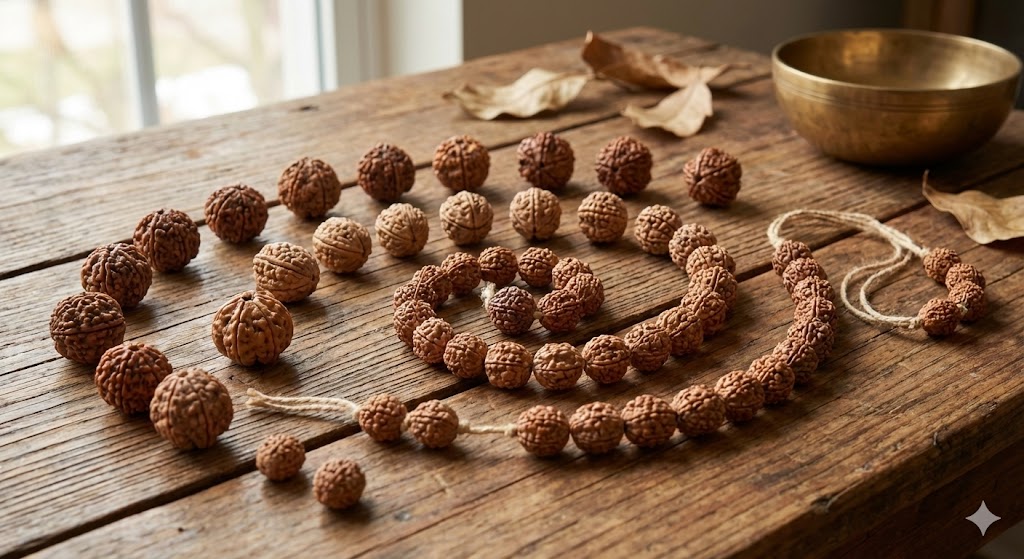
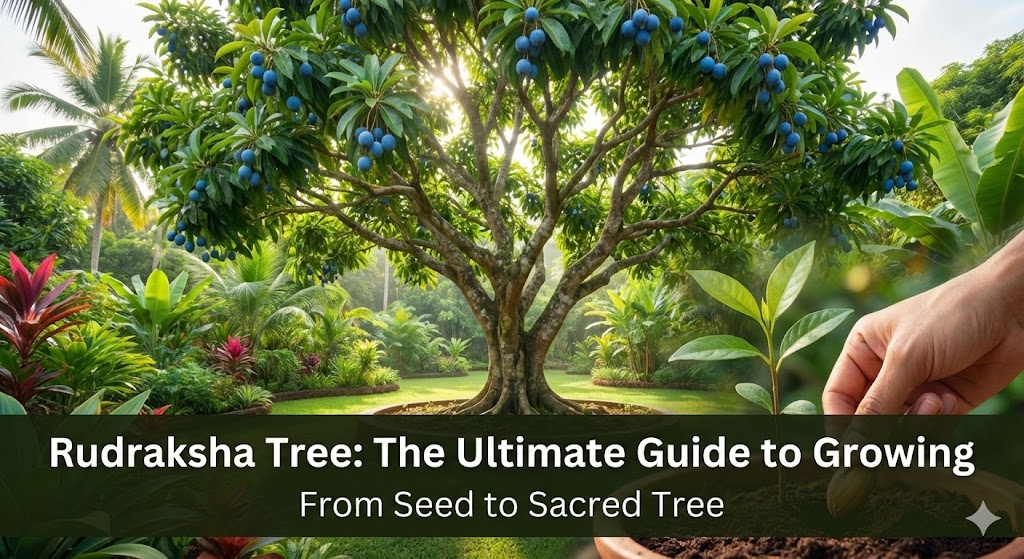
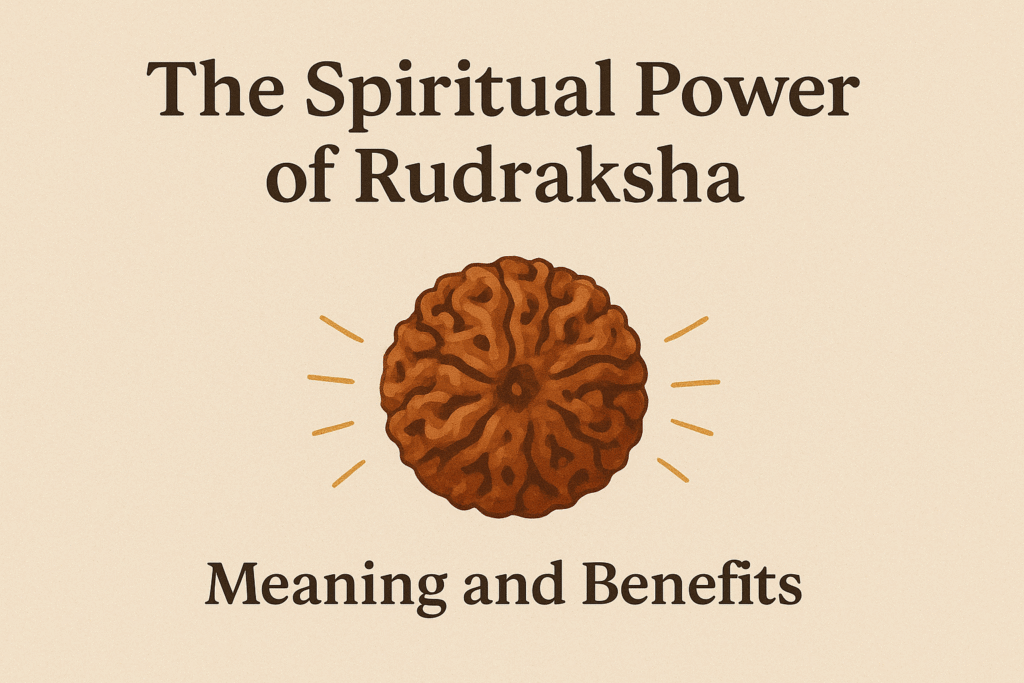
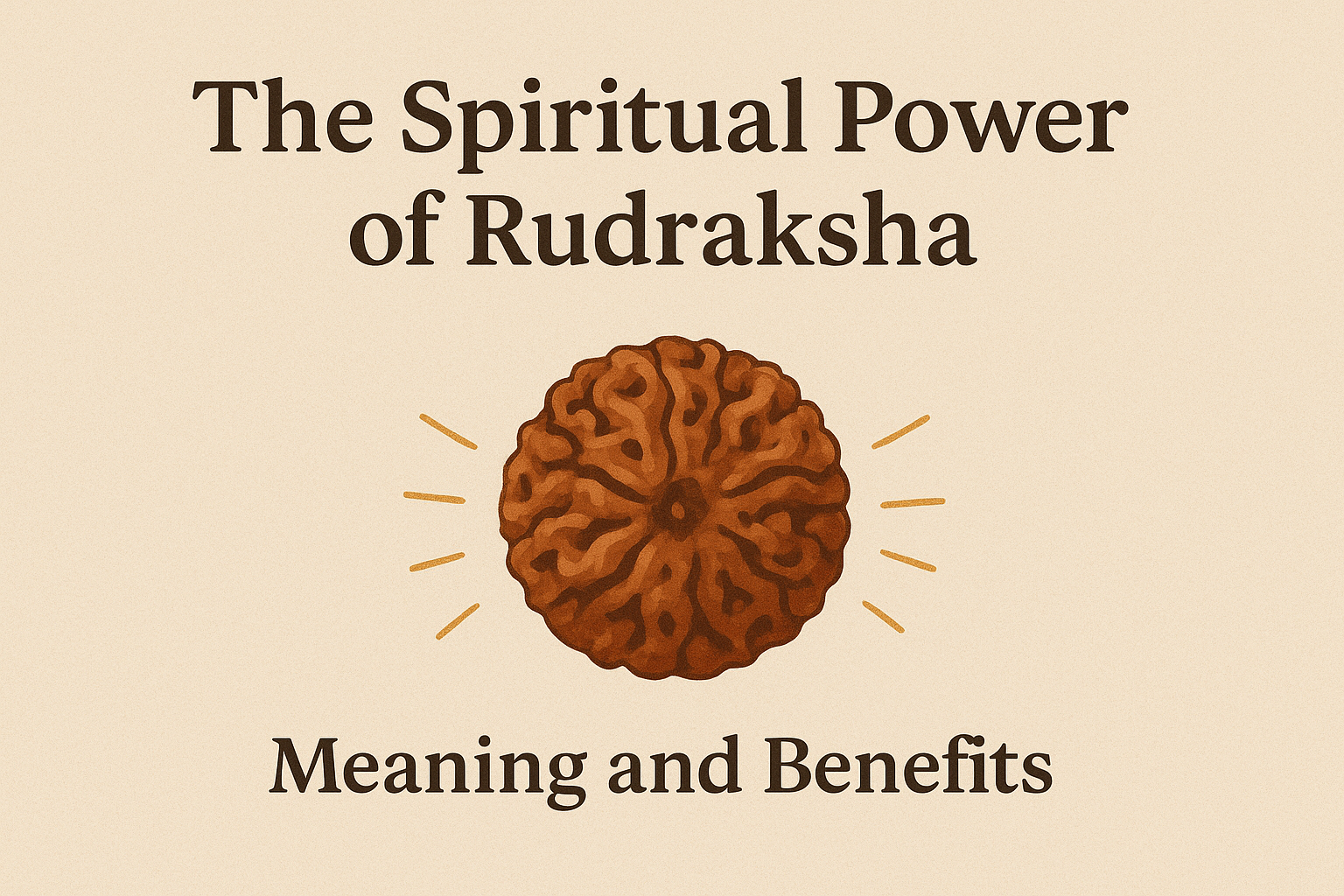
Scientifically known as Elaeocarpus ganitrus, the Rudraksha tree grows primarily in the foothills of the Himalayas, Nepal, Indonesia, and parts of Southeast Asia. The tree produces blue fruits, and within each fruit lies the Rudraksha seed. These seeds feature natural clefts or lines on their surface, called “mukhis” or faces, which determine their classification and attributed properties.
The mukhis range from 1 to 21 (and occasionally more), with each type traditionally associated with different deities and benefits. The five-mukhi Rudraksha is the most common variety and is often considered ideal for beginners and general spiritual practice.
History and Cultural Significance of Rudraksha
Ancient References in Sacred Texts
Rudraksha beads have been mentioned in numerous ancient Hindu scriptures, establishing their importance across thousands of years of spiritual tradition. The Shiva Purana, one of the major texts dedicated to Lord Shiva, contains detailed descriptions of the origin, types, and spiritual benefits of Rudraksha. Similarly, the Padma Purana and Devi Bhagavata Purana offer extensive guidance on how to select, wear, and worship with these sacred beads.
Beyond Hindu texts, references to sacred beads appear in Buddhist traditions as well, where mala beads (prayer beads, often made from Rudraksha) are used for mantra recitation and meditation practice. This cross-cultural presence demonstrates the universal appeal and recognized spiritual value of these remarkable seeds.
Rudraksha in Modern Spiritual Practice
Today, Rudraksha beads have transcended their traditional religious context to become valued tools for anyone seeking mindfulness, stress relief, and spiritual growth. Yoga practitioners, meditation teachers, wellness enthusiasts, and spiritual seekers from diverse backgrounds have embraced Rudraksha as part of their daily practice.
The growing global interest in holistic wellness and ancient wisdom traditions has brought renewed attention to these sacred seeds, making them more accessible than ever to people worldwide who wish to explore their potential benefits.
Types of Rudraksha: Understanding the Different Mukhis
Rudraksha beads are classified by the number of natural lines or clefts (mukhis) on their surface. Each type is traditionally associated with specific deities and attributes. Below is a comprehensive overview of the most significant Rudraksha types:
| Mukhi (Faces) | Associated Deity | Traditional Attributes |
| 1 Mukhi (Ek Mukhi) | Lord Shiva | Considered extremely rare and sacred; associated with supreme consciousness and enlightenment |
| 2 Mukhi | Ardhanarishvara | Symbolizes unity and harmony; often worn for balanced relationships |
| 3 Mukhi | Agni (Fire God) | Associated with purification and releasing past patterns |
| 4 Mukhi | Lord Brahma | Linked with creativity, knowledge, and communication skills |
| 5 Mukhi | Kalagni Rudra | Most common type; considered ideal for general well-being and meditation |
| 6 Mukhi | Lord Kartikeya | Associated with focus, willpower, and grounding energy |
| 7 Mukhi | Goddess Lakshmi | Traditionally linked with abundance, prosperity, and good fortune |
| 8 Mukhi | Lord Ganesha | Associated with removing obstacles and new beginnings |
| 9 Mukhi | Goddess Durga | Symbolizes courage, energy, and protection |
| 10 Mukhi | Lord Vishnu | Associated with peace, protection, and divine grace |
| 11 Mukhi | Eleven Rudras | Linked with wisdom, right judgment, and adventure |
| 12 Mukhi | Lord Surya (Sun) | Associated with leadership, radiance, and confidence |
| 13 Mukhi | Lord Indra/Kamadeva | Traditionally linked with charisma and fulfillment of desires |
| 14 Mukhi | Lord Hanuman | Known as Deva Mani; associated with intuition and foresight |
| 21 Mukhi | Kubera | Extremely rare; associated with wealth and spiritual abundance |
Note: Higher mukhi beads (15-21) are increasingly rare and often command significantly higher prices. The rarity of a Rudraksha does not necessarily make it “better” for spiritual practice—the five-mukhi remains the most recommended for general use and meditation.
Spiritual Benefits and Power of Rudraksha Beads
Deepening Meditation Practice
One of the most valued aspects of Rudraksha beads is their traditional use in meditation. Practitioners often report that holding or wearing Rudraksha during meditation helps quiet the mind and deepen concentration. The tactile sensation of the beads provides an anchor point for awareness, similar to how breath serves as a focus in many meditation techniques.
When used as a mala (a string of 108 beads), Rudraksha provides a practical tool for counting mantra repetitions while maintaining meditative focus. This practice, known as japa meditation, has been used for centuries to cultivate mindfulness, devotion, and inner stillness.
Emotional Balance and Stress Relief
Many people who incorporate Rudraksha into their daily practice report a sense of calm and emotional stability. While scientific research on Rudraksha is limited, practitioners often describe feeling more grounded and less reactive to stressful situations when wearing their beads consistently.
This calming effect may stem partly from the psychological association between the beads and meditation practice—wearing Rudraksha serves as a constant reminder of one’s spiritual intentions and commitment to inner peace.
Spiritual Protection and Energy
Traditional teachings attribute protective qualities to Rudraksha beads. They are believed to create a shield around the wearer, helping maintain positive energy and deflect negative influences. Whether understood metaphysically or psychologically, many practitioners find that wearing Rudraksha contributes to an overall sense of well-being and spiritual protection.
Enhancing Spiritual Awareness
Beyond specific benefits, Rudraksha beads are valued for their ability to support overall spiritual development. Regular practice with these sacred seeds is said to gradually increase awareness, intuition, and connection to higher states of consciousness.
Summary of Traditional Rudraksha Benefits
- Enhanced focus and concentration during meditation
- Reduced mental chatter and calmer mind
- Greater emotional stability and resilience
- Support for mantra practice and japa meditation
- Sense of spiritual protection and grounding
- Aid in developing mindfulness throughout the day
- Connection to ancient spiritual wisdom traditions
How to Choose the Right Rudraksha for Your Spiritual Practice
Consider Your Spiritual Goals
When selecting Rudraksha beads, begin by reflecting on your primary intentions. Are you seeking to deepen your meditation practice? Looking for emotional balance? Interested in specific traditional attributes? Your answers will help guide your choice among the various mukhi types.
For most beginners, the five-mukhi Rudraksha is an excellent starting point. It is readily available, affordable, and traditionally considered suitable for all people regardless of age, gender, or spiritual background. Many experienced practitioners also prefer the five-mukhi for its balanced energy and versatility.
Authenticity and Quality
With the growing popularity of Rudraksha, the market unfortunately includes many fake or misrepresented beads. Authentic Rudraksha beads have certain characteristics that can help identify them:
- Natural mukhis (lines) that run from the top to the bottom of the bead
- A natural hole through the center (though this may need to be drilled for stringing)
- Consistent texture and natural variations (not perfectly uniform)
- They sink in water (though this test is not definitive)
- Natural imperfections and slight asymmetry
Purchase from reputable sellers who can provide information about the source of their beads. Be skeptical of unusually low prices, especially for rare mukhi types, as this may indicate artificial or misrepresented products.
Size and Wearing Preferences
Rudraksha beads come in various sizes, typically ranging from small (under 12mm) to large (over 20mm). The size does not affect the spiritual properties according to traditional teachings, so choose based on your comfort and aesthetic preference.
Consider whether you want to wear your Rudraksha as a necklace, bracelet, or keep it separate for meditation use only. Traditional malas contain 108 beads plus a “guru bead,” but smaller malas of 54 or 27 beads are also common and equally valid for practice.
How to Wear Rudraksha Beads: Traditional Guidelines and Modern Practice
Traditional Wearing Practices
According to traditional guidelines, Rudraksha beads are typically worn close to the skin to allow direct contact with the body. Common wearing positions include around the neck (touching the heart area), on the wrist as a bracelet, or at the crown of the head in certain ceremonial contexts.
Many traditions recommend wearing Rudraksha after performing a simple purification ritual, which may involve washing the beads, chanting specific mantras, and offering prayers. However, the specific rituals vary among different traditions, and many modern practitioners simply wear their beads with mindful intention.
Modern Approaches to Wearing Rudraksha
While respecting traditional practices, many contemporary practitioners adopt a more flexible approach. The most important factor is wearing your Rudraksha with awareness and respect. Whether you follow elaborate rituals or simply put on your beads with a moment of mindful attention, the key is your sincere intention.
Some people prefer to remove their Rudraksha while sleeping or bathing, while others wear them continuously. Both approaches are considered acceptable by various teachers. Listen to your own intuition and comfort level when developing your personal practice.
Caring for Your Rudraksha Beads: Maintenance and Preservation
Proper care ensures your Rudraksha beads remain in good condition for years of spiritual practice. These natural seeds respond well to simple, regular maintenance:
- Clean periodically with a soft brush and water to remove accumulated dirt and oils
- Allow to dry completely after cleaning before storing or wearing
- Apply a light coating of natural oil (such as coconut or almond oil) monthly to prevent drying and cracking
- Store in a clean, dry place when not wearing—a cloth pouch works well
- Avoid exposure to harsh chemicals, soaps, or cleaning products
- Handle with clean hands and treat with respect as sacred objects
- Check stringing periodically and restring if thread shows wear
Rudraksha Across Spiritual Traditions
Rudraksha in Hinduism
In Hindu tradition, Rudraksha holds a position of supreme importance, particularly among devotees of Lord Shiva. Sadhus (holy men), yogis, and householder devotees alike wear these beads as symbols of their spiritual commitment. Rudraksha malas are considered essential tools for japa (mantra repetition) and are often given sacred status in temples and households.
Rudraksha in Buddhism
While not as central as in Hinduism, Rudraksha beads are used in various Buddhist traditions, particularly in Tibetan and Nepali Buddhism. Buddhist practitioners may use Rudraksha malas for counting mantras such as “Om Mani Padme Hum” and appreciate the beads for their calming influence during meditation.
Universal Spiritual Appeal
Today, Rudraksha beads are embraced by spiritual seekers of all backgrounds, regardless of religious affiliation. Their universal appeal lies in their natural origin, ancient heritage, and practical utility for meditation and mindfulness practice. Whether approached from a devotional, philosophical, or simply wellness-oriented perspective, Rudraksha offers something valuable for sincere practitioners.
Common Myths and Misconceptions About Rudraksha
Myth 1: Only Certain People Can Wear Rudraksha
Contrary to some beliefs, Rudraksha beads can be worn by anyone regardless of gender, age, religion, or background. Traditional texts explicitly state that these sacred seeds are beneficial for all of humanity. There are no restrictions on who can receive the blessings attributed to Rudraksha.
Myth 2: Rudraksha Must Be Worn with Complex Rituals
While elaborate ceremonies can be meaningful for those who connect with them, they are not required for Rudraksha to be beneficial. Simple, respectful handling with sincere intention is sufficient. The power of Rudraksha, according to practitioners, comes from the beads themselves and the wearer’s devotion, not from ritual complexity.
Myth 3: Smaller Beads Are Less Powerful
Size does not determine the spiritual efficacy of Rudraksha beads. A small, authentic Rudraksha carries the same traditional benefits as a larger one. Choose your bead size based on personal comfort and preference rather than any perceived difference in spiritual power.
Myth 4: Rudraksha Works Instantly Like Magic
Rudraksha is best understood as a tool for spiritual practice rather than a magical talisman. While many practitioners report positive effects, these typically develop over time through consistent practice and sincere engagement. Approach Rudraksha as a support for your spiritual journey rather than a quick-fix solution.
Rudraksha vs. Other Sacred Beads: A Comparison
Various spiritual traditions use sacred beads for meditation and prayer. Here is how Rudraksha compares to other popular options:
| Feature | Rudraksha | Tulsi (Holy Basil) | Crystal/Gemstone |
| Origin | Seed of Elaeocarpus tree | Wood from Tulsi plant | Mineral formations |
| Primary Tradition | Hinduism, Buddhism | Hinduism (Vaishnavism) | Various/New Age |
| Durability | High (with care) | Medium | High |
| Typical Use | Japa, wearing, meditation | Japa, wearing | Meditation, healing |
| Care Required | Moderate (oiling) | Minimal | Varies by type |
Conclusion: Embracing the Spiritual Power of Rudraksha
The spiritual power of Rudraksha lies not only in the ancient traditions that revere these sacred seeds but also in the sincere practice and intention of those who wear them. Whether you are drawn to Rudraksha for its meditative benefits, its connection to timeless wisdom, or simply its natural beauty, these remarkable beads offer a meaningful way to support your spiritual journey.
As you begin or deepen your relationship with Rudraksha, remember that the most important factors are authenticity (choosing genuine beads), consistency (regular practice), and sincerity (approaching your practice with genuine intention). The specific mukhi type, size, or ritual form matters less than your heartfelt engagement with these sacred seeds.
May your exploration of Rudraksha bring you peace, clarity, and spiritual growth. Whether worn as a mala for meditation or as a simple reminder of your spiritual aspirations, these tears of Shiva have the potential to become cherished companions on your path to awakening.
Frequently Asked Questions About Rudraksha
Can I wear Rudraksha beads while sleeping?
Yes, many practitioners wear Rudraksha continuously, including during sleep. According to traditional teachings, the beads continue to provide their beneficial influences throughout the day and night. However, if you find wearing them uncomfortable while sleeping, it is perfectly acceptable to remove them and place them in a clean, respectful location. Listen to your personal comfort and follow your intuition.
How can I verify if my Rudraksha is genuine and not fake?
Authentic Rudraksha beads have natural, well-defined mukhis (lines) running from the top to bottom, a consistent texture with natural variations, and they typically sink in water (though this test alone is not definitive). The best verification comes from purchasing from reputable sellers with transparent sourcing. Be cautious of prices that seem too good to be true, especially for rare mukhi types, and examine beads carefully for signs of artificial creation or alteration.
Is it necessary to energize or consecrate Rudraksha before wearing?
Traditional practices often include rituals to energize or consecrate Rudraksha before first wearing them, which may involve washing with sacred water, chanting mantras, and making offerings. However, these elaborate ceremonies are not strictly necessary for the beads to be beneficial. Many practitioners simply clean their beads, hold them with mindful intention, and begin wearing them. The most important factor is your sincere approach rather than ritual complexity.
Can non-Hindus wear Rudraksha beads for spiritual practice?
Absolutely. Rudraksha beads are considered universal spiritual tools that can benefit anyone regardless of religious background. While they originate from Hindu tradition, their use has spread across various spiritual paths including Buddhism, and many contemporary practitioners of all faiths or no particular faith incorporate them into their meditation and mindfulness practices. The beads respond to sincere intention rather than religious affiliation.
What should I do if my Rudraksha bead cracks or breaks?
If your Rudraksha bead cracks or breaks, traditional practice suggests treating it with respect rather than simply discarding it. You may bury it in the earth, place it at the base of a sacred tree, or immerse it in a natural body of water. Some practitioners keep damaged beads in a special place rather than disposing of them. To prevent damage, maintain your beads regularly with light oiling and avoid exposure to harsh chemicals or extreme conditions.
How many Rudraksha beads should I wear at one time?
There is no strict rule about the number of beads to wear. Traditional malas contain 108 beads, but smaller counts of 54, 27, or even single beads are equally valid. Some practitioners wear multiple beads of different mukhi types simultaneously, while others prefer to work with just one. The traditional guidance suggests that wearing more beads of the same type amplifies the effect, but quality of practice matters more than quantity of beads. Start with what feels comfortable and adjust based on your experience.