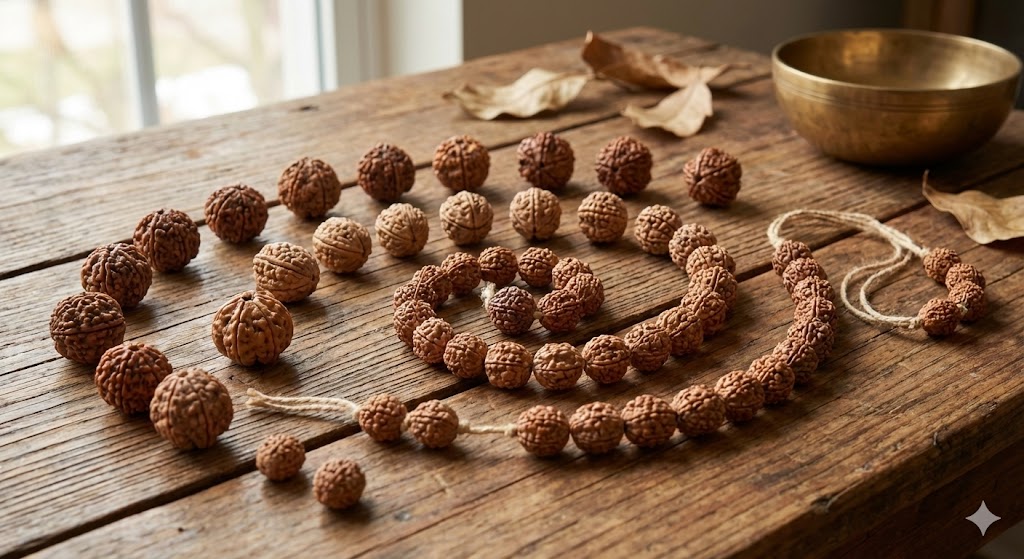

In an age of constant stress, digital overwhelm, and spiritual disconnection, millions of seekers worldwide are turning to ancient wisdom for inner peace. Among the most revered spiritual tools in Eastern traditions stands the
Rudraksha Benefits – a sacred seed that has captivated spiritual practitioners for thousands of years.
Whether you’re new to spiritual practices or a seasoned seeker looking to deepen your understanding, this comprehensive guide will reveal everything you need to know about Rudraksh beads – from their mythological origins to practical wearing guidelines, from authenticity testing to proper care rituals.
What you’ll discover in this article: The scientific and spiritual significance of different Rudraksh types, how to choose the right bead for your needs, step-by-step wearing rituals, authenticity verification methods, and time-tested care practices that honor these sacred seeds.
What is Rudraksh? Understanding the Sacred Seed
Rudraksh (also spelled Rudraksha) refers to the dried seed of the Elaeocarpus ganitrus tree, primarily found in the Himalayan regions of Nepal, Indonesia, and parts of India. The word derives from Sanskrit: “Rudra” (a name for Lord Shiva) and “Aksha” (meaning eyes or tears).
According to Hindu mythology, these beads emerged from the tears of Lord Shiva during his meditation for the welfare of humanity. This divine origin establishes Rudraksh as one of the most sacred objects in Hindu, Buddhist, and yogic traditions.
The Botanical Nature of Rudraksh Trees
The Elaeocarpus ganitrus tree grows at elevations between 500 to 2000 meters above sea level. These evergreen trees can reach heights of 15-25 meters and begin producing fruit after 7-8 years of growth. Each fruit contains a single seed – the Rudraksh bead – covered by an outer blue-colored shell, which gives the tree its nickname “blueberry beads.”
The seeds develop natural vertical lines or grooves running from top to bottom. These lines, called “mukhis” (faces), determine the type and properties of each Rudraksh. The number of faces ranges from one to twenty-one, though certain numbers are extremely rare.
Types of Rudraksh: Understanding Mukhis (Faces)
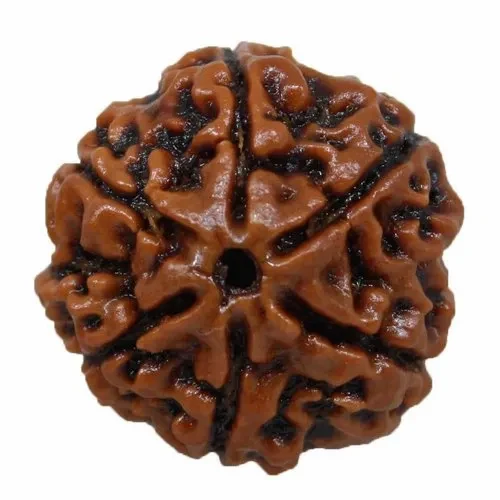
The classification of Rudraksh beads centers on the number of natural lines or faces (mukhis) present on each seed. Each type carries distinct significance in spiritual traditions and is associated with specific deities, planets, and intended purposes.
| Mukhi | Associated Deity | Planetary Link | Primary Purpose |
| 1 Mukhi | Lord Shiva | Sun | Supreme consciousness, enlightenment |
| 2 Mukhi | Ardhanarishvara | Moon | Harmony, relationships, unity |
| 3 Mukhi | Agni (Fire God) | Mars | Release of past karma, purification |
| 4 Mukhi | Lord Brahma | Mercury | Knowledge, creativity, communication |
| 5 Mukhi | Kalagni Rudra | Jupiter | Overall well-being, most versatile |
| 6 Mukhi | Lord Kartikeya | Venus | Willpower, grounding, focus |
| 7 Mukhi | Goddess Lakshmi | Saturn | Prosperity, fortune, abundance |
The Five Mukhi Rudraksh: Most Widely Used Sacred Bead
The Panch Mukhi (five-faced) Rudraksh holds special significance as the most commonly available and versatile bead. It represents the five elements – earth, water, fire, air, and space – and is associated with Lord Kalagni Rudra, a fierce manifestation of Shiva.
This bead serves as an excellent starting point for beginners due to its general benefits and relatively accessible price point. Traditional texts describe it as beneficial for mental clarity, emotional balance, and spiritual growth.
Spiritual Significance of Rudraksh Beads
Beyond their physical form, Rudraksh beads carry profound spiritual symbolism across multiple traditions. Understanding this deeper significance helps practitioners connect more meaningfully with these sacred objects.
Rudraksh in Hindu Tradition
In Hindu scriptures, particularly the Shiva Purana and Devi Bhagavatam, Rudraksh beads are described as having emerged from Shiva’s eyes during his meditation. The texts elaborate on specific mantras, wearing methods, and rituals associated with different types of beads.
The Shiva Purana states that wearing Rudraksh during meditation deepens one’s connection to consciousness and accelerates spiritual progress. Devotees believe these beads carry Shiva’s blessings and protect the wearer from negative influences.
Rudraksh in Buddhist Practice
Buddhist practitioners, particularly in Nepal and Tibet, incorporate Rudraksh beads into their mala (prayer bead) practices. The beads help maintain count during mantra recitation while their textured surface provides tactile feedback that enhances mindfulness.
In Buddhist tradition, the bead’s natural grooves symbolize the interconnectedness of all phenomena, making them particularly meaningful for practitioners focusing on concepts of interdependence and emptiness.
Rudraksh in Yogic Philosophy
Contemporary yoga teachers and practitioners worldwide embrace Rudraksh for their reputed ability to support meditation and pranayama (breathing) practices. The beads are believed to help regulate the body’s energy centers (chakras) and maintain energetic balance during intensive spiritual practice.
How to Choose the Right Rudraksh for Your Needs
Selecting an appropriate Rudraksh involves understanding your specific intentions, consulting traditional guidelines, and sourcing from reputable providers. Here’s a systematic approach to making this important decision.
Step 1: Identify Your Primary Intention
- Meditation and spiritual growth: 5 Mukhi or 1 Mukhi (if accessible)
- Academic success and learning: 4 Mukhi
- Relationship harmony: 2 Mukhi
- Prosperity and abundance: 7 Mukhi
- Courage and willpower: 6 Mukhi
- General protection and well-being: 5 Mukhi
Step 2: Consider Size and Origin
Nepal vs. Indonesian Rudraksh: Nepalese beads typically feature larger sizes and deeper grooves, while Indonesian (Java) beads tend to be smaller but more abundant. Traditional sources consider Nepalese Rudraksh more potent, though Indonesian beads remain effective and more affordable.
Size considerations: Larger beads (20mm+) are preferred for worship and altar placement, while medium-sized beads (12-18mm) work well for wearing. Smaller beads (8-12mm) suit mala creation.
Step 3: Budget Planning
Rudraksh prices vary dramatically based on rarity. Common types like 5 Mukhi remain affordable, while rare varieties like 1 Mukhi command premium prices. Begin with accessible options and expand your collection as understanding deepens.
How to Test Rudraksh Authenticity: Verification Methods
Given the sacred and commercial value of Rudraksh, counterfeit beads unfortunately exist in the market. Learning to verify authenticity protects both your investment and spiritual practice.
Physical Examination Tests
- Visual Inspection: Genuine Rudraksh display natural, uneven lines (mukhis) running from top to bottom. Fake beads often show artificial, uniform grooves.
- Surface Texture: Authentic beads have a slightly rough, organic texture. Plastic or glass imitations feel unnaturally smooth or uniformly rough.
- Weight Test: Real Rudraksh seeds have a specific weight-to-size ratio. They should feel solid but not unusually heavy.
- Hole Examination: Natural Rudraksh have a central hole where the stem attached. This hole should appear organic, not machine-drilled.
The Water Float Test
Place the Rudraksh in a glass of water. Authentic beads typically sink due to their density, while many fake beads float. However, this test alone isn’t conclusive – some genuine beads may float if they have internal air pockets from the drying process.
The Copper Coin Test
Hold the Rudraksh between two copper coins. Traditional belief suggests that genuine beads will rotate due to their electromagnetic properties. While this test features prominently in traditional texts, it should be considered supplementary to physical examination.
X-Ray Verification
For high-value purchases, X-ray examination provides the most reliable authentication method. This reveals the internal compartment structure that corresponds to the number of faces. Reputable dealers often provide X-ray certificates for expensive beads.
How to Wear Rudraksh: Traditional Guidelines and Rituals
Proper wearing of Rudraksh follows traditional protocols that maximize the bead’s spiritual potency while honoring its sacred nature. These guidelines have developed over centuries of practice.
Energization Ritual (Pran Pratishtha)
Before wearing a new Rudraksh for the first time, perform an energization ritual:
- Clean the bead gently with water and allow it to dry completely
- Place the Rudraksh on a clean surface or altar
- Offer incense and a lamp or candle
- Recite the appropriate mantra (“Om Namah Shivaya” works universally)
- Meditate briefly on your intention for wearing the bead
- Wear the Rudraksh during an auspicious time, traditionally Monday morning
Wearing Positions and Their Significance
| Position | Significance | Best For |
| Around Neck (Kanthmala) | Heart center, emotional balance | General spiritual practice |
| Wrist (Bracelet) | Action points, daily activities | Active practitioners, daily reminders |
| Head/Crown (Topknot) | Higher consciousness | Advanced practitioners, ascetics |
What to Avoid When Wearing Rudraksh
Traditional guidelines recommend avoiding the following while wearing sacred Rudraksh beads:
- Entering cremation grounds or attending funerals while wearing the beads
- Consuming alcohol or non-vegetarian food (some traditions)
- Allowing others to touch your personal Rudraksh
- Wearing damaged or broken beads – these should be respectfully immersed in flowing water
Understanding Rudraksh Mala: The Prayer Bead Necklace
A Rudraksh mala consists of multiple beads strung together, typically used for meditation, mantra recitation, and spiritual practice. The most common configurations include 108+1 beads, 54+1 beads, or 27+1 beads.
Why 108 Beads?
The number 108 holds profound significance across Hindu, Buddhist, and Jain traditions. Various interpretations include the 108 energy lines converging at the heart chakra, the 27 lunar mansions multiplied by the 4 quarters of the moon, and the mathematical significance of 1 (oneness) × 0 (emptiness) × 8 (infinity).
The Guru Bead (Meru)
The “+1” bead in mala configurations represents the Guru bead or Meru, marking the beginning and end point of meditation rounds. Practitioners reverse direction upon reaching this bead rather than crossing it, symbolizing respect for the guru and the teaching lineage.
How to Use a Rudraksh Mala for Meditation
- Sit comfortably in a quiet space with spine straight
- Hold the mala in your right hand (traditional) or left hand
- Begin at the bead next to the Guru bead
- Use your thumb and middle finger to move each bead as you recite your chosen mantra
- Complete 108 repetitions, ending at the Guru bead
- To continue, reverse direction rather than crossing the Guru bead
Caring for Your Rudraksh: Maintenance and Preservation
Proper care ensures your Rudraksh beads maintain their integrity and sacred energy for generations. These natural seeds require gentle, consistent maintenance.
Daily Care Routine
- Cleaning: Wipe with a soft, dry cloth after wearing to remove body oils and sweat
- Storage: Keep in a clean, dry cloth pouch when not wearing
- Handling: Handle with clean hands and respectful intention
Weekly Maintenance
Once weekly, apply a small amount of natural oil (sandalwood, olive, or coconut) to prevent the beads from drying and cracking. Allow the oil to absorb naturally – avoid over-oiling which can attract dust.
What to Avoid
- Chemical cleaners, soaps, or detergents
- Prolonged exposure to water (especially chlorinated or salt water)
- Extreme temperatures and direct sunlight
- Perfumes, hairsprays, and cosmetics directly on the beads
Where to Buy Authentic Rudraksh: Sourcing Guide
Finding genuine Rudraksh requires careful consideration of sources, certifications, and seller reputation. The growing demand has unfortunately led to an increase in counterfeit products.
Recommended Sourcing Options
- Temple shops and ashrams: Often source directly from traditional suppliers and prioritize authenticity over profit
- Established spiritual suppliers: Look for sellers with long histories, transparent sourcing, and laboratory certifications
- Direct from Nepal/India: For significant purchases, consider traveling to traditional markets or working with verified exporters
Red Flags to Watch For
- Prices significantly below market rates for rare mukhis
- Sellers unable or unwilling to provide authentication certificates
- Uniform, “perfect” appearance across multiple beads (genuine beads show natural variation)
- Pressure tactics or claims of miraculous powers
Conclusion: Embracing the Sacred Journey with Rudraksh
Rudraksh beads represent far more than decorative spiritual accessories – they embody thousands of years of wisdom, devotion, and contemplative practice. Whether you’re drawn to these sacred seeds for meditation enhancement, spiritual protection, or simply as a meaningful connection to ancient traditions, approaching them with understanding and respect amplifies their significance in your practice.
Begin your Rudraksh journey with knowledge: understand the different types and their traditional associations, learn to verify authenticity, follow proper wearing and care protocols, and source from reputable suppliers. Most importantly, cultivate a personal relationship with your beads through consistent practice and mindful intention.
Ready to explore further? Start with a five-faced (Panch Mukhi) Rudraksh from a trusted source, perform the energization ritual, and integrate it into your daily meditation practice. Notice how this simple seed transforms your spiritual experience over time.
Frequently Asked Questions About Rudraksh
Can anyone wear Rudraksh beads regardless of religion or background?
Yes, Rudraksh beads can be worn by anyone regardless of religious affiliation, gender, or cultural background. While they originate from Hindu tradition, their use has spread across Buddhist, Jain, and secular spiritual practices. Many contemporary practitioners wear Rudraksh purely for their meditative support qualities without any religious context. The beads respond to sincere intention rather than specific religious beliefs.
Is it safe to wear Rudraksh beads while sleeping or bathing?
Traditional guidelines generally recommend removing Rudraksh before sleeping and bathing. During sleep, the beads may be kept under your pillow or on a bedside altar. For bathing, prolonged water exposure (especially with soap or hot water) can damage the natural seeds over time. However, brief contact with water – such as getting caught in rain – won’t harm properly cared-for beads. If you prefer wearing them constantly, remove them for extended water contact and deep sleep.
What happens if my Rudraksh bead cracks or breaks?
A cracked or broken Rudraksh should no longer be worn according to traditional practice. Such beads are respectfully retired by immersing them in a natural, flowing water source like a river or stream. Some practitioners bury them at the base of a sacred tree. The belief is that damaged beads have completed their purpose with you. Replace broken beads with new, properly energized ones to maintain the integrity of your spiritual practice.
How long does it take for Rudraksh to show effects in spiritual practice?
The timeline varies significantly based on individual practice, intention, and consistency. Some practitioners report feeling an immediate sense of calm when first wearing Rudraksh, while others notice gradual shifts over weeks or months of consistent use. Traditional texts suggest 40 days of continuous practice to establish a meaningful connection. Rather than expecting specific outcomes, focus on consistent, mindful practice and remain open to subtle changes in your meditation quality and daily awareness.
Can I wear multiple Rudraksh beads of different mukhis simultaneously?
Yes, wearing multiple Rudraksh types together is a common and accepted practice. In fact, combination malas featuring different mukhi beads are traditionally designed to address multiple aspects of spiritual development simultaneously. However, beginners are often advised to start with a single type (typically 5 Mukhi) to establish familiarity before adding variety. When combining beads, ensure proper energization for each type and consult traditional resources or experienced practitioners for guidance on specific combinations.