
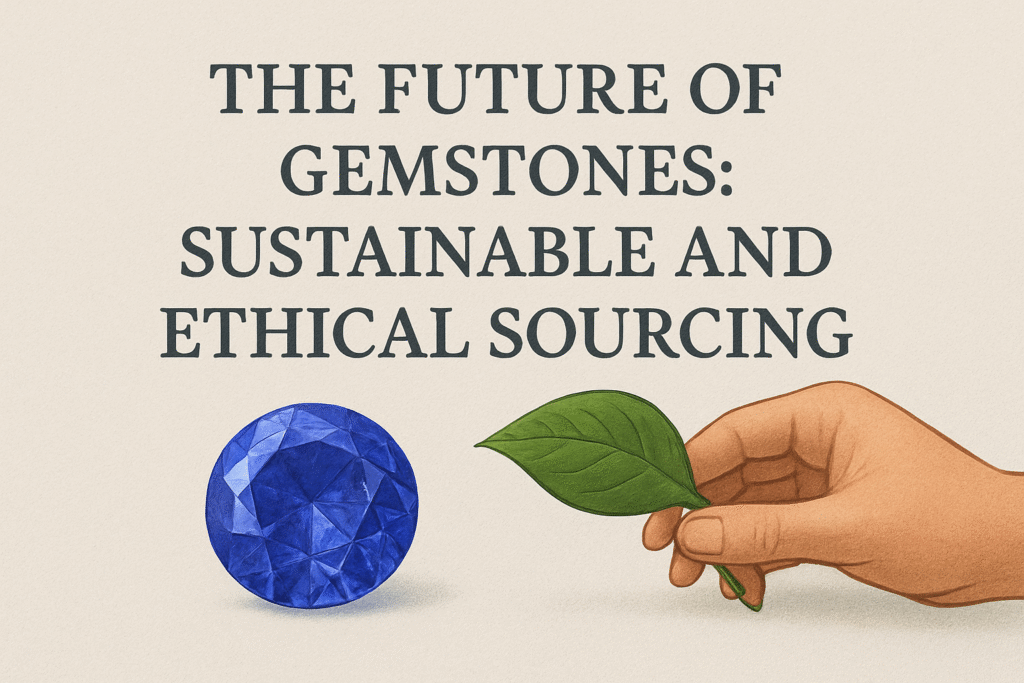
Sustainable Gemstones Ethical Sourcing: The glittering world of gemstones hides a complex story that many consumers are only now beginning to understand. Behind every sparkling diamond, radiant ruby, or luminous emerald lies a supply chain that can either uplift communities and protect our planet—or contribute to environmental devastation and human exploitation.
Today’s conscious consumers are asking important questions: Where do my gemstones come from? Were workers treated fairly in their extraction? What environmental impact did my jewelry have? These questions have sparked a revolution in the gemstone industry, driving a fundamental shift toward transparency, sustainability, and ethical practices.
The global gemstones market, valued at approximately $34 billion in 2024 and projected to reach nearly $57 billion by 2033, is undergoing a profound transformation. Consumer demand for ethically sourced and sustainable gemstones is reshaping how the industry operates, from artisanal mines in remote villages to luxury jewelry boutiques in major cities.
In this comprehensive guide, we explore the future of sustainable gemstones and ethical sourcing practices. You will learn about innovative technologies like blockchain traceability, the rise of lab-grown alternatives, certification programs that ensure responsible practices, and practical tips for making informed purchases that align with your values.
Understanding the Gemstone Industry Landscape
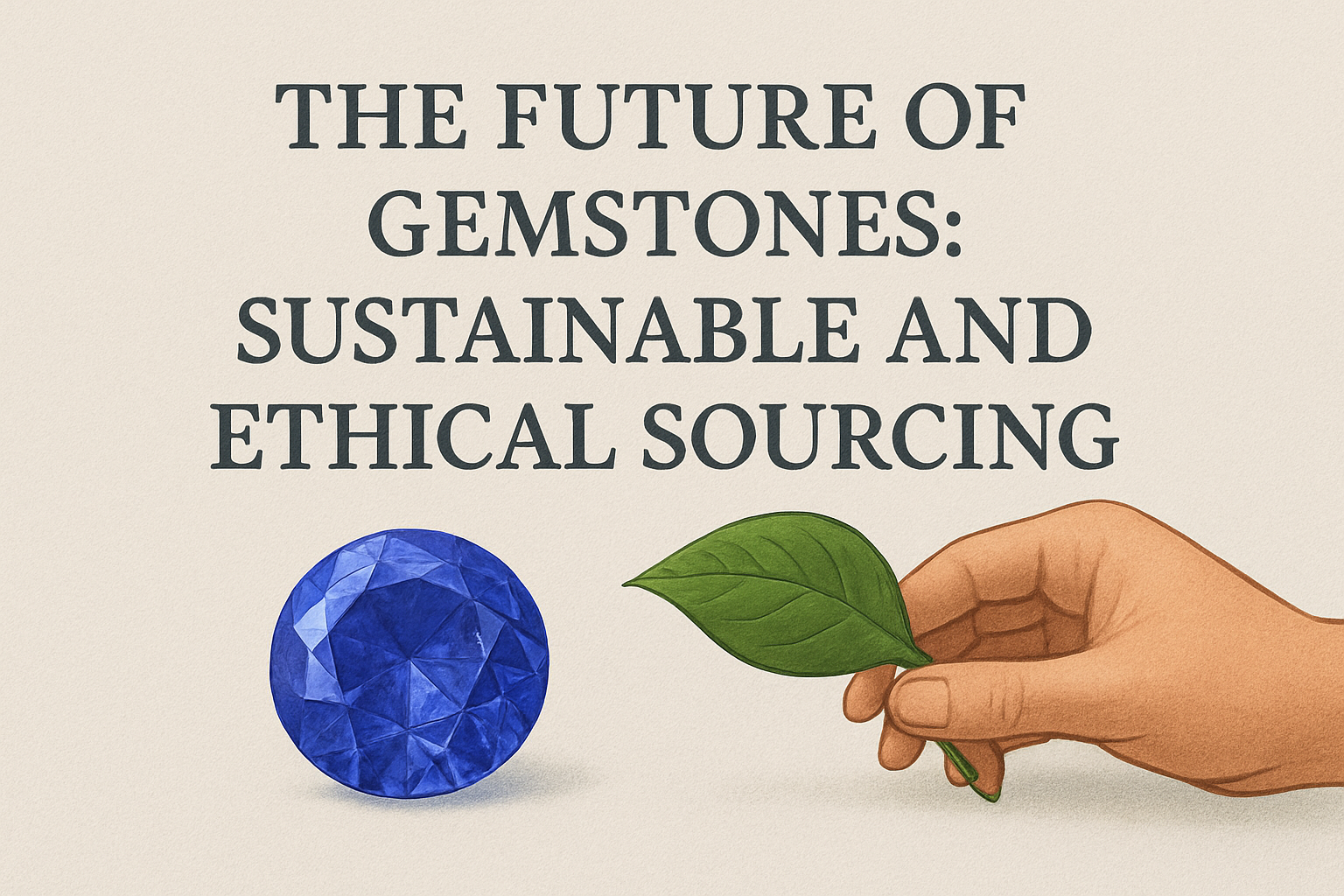
The Traditional Gemstone Supply Chain
The journey of a gemstone from earth to jewelry box involves numerous steps and stakeholders. Traditional supply chains typically include mining operations, sorting facilities, cutting and polishing workshops, wholesalers, retailers, and finally consumers. This complexity has historically made it difficult to trace the origins of gemstones and verify ethical practices throughout the chain.
Approximately 80% of the world’s colored gemstones—including rubies, sapphires, and emeralds—are extracted by artisanal and small-scale miners. These operations span over 80 countries across every continent except Antarctica, supporting an estimated 45 million workers directly and approximately 270 million people indirectly through related economic activity.
Challenges in Traditional Gemstone Mining
The gemstone industry has faced significant challenges related to environmental impact, labor practices, and transparency. Traditional mining operations can result in:
- Environmental degradation: Habitat destruction, soil erosion, water pollution, and deforestation
- Labor concerns: Unsafe working conditions, unfair wages, and in some regions, child labor
- Conflict financing: Historically, gem sales have funded armed conflicts in various regions
- Lack of transparency: Difficulty tracing gems through complex, fragmented supply chains
- Resource depletion: Natural gemstone deposits are finite and non-renewable
The Rise of Sustainable Gemstone Practices
What Makes a Gemstone Sustainable?
Sustainable gemstones are those sourced and produced with minimal environmental impact and maximum social responsibility. This encompasses several key factors that conscientious consumers should understand:
- Environmental stewardship: Mining practices that minimize land disturbance, protect water sources, and include rehabilitation plans
- Ethical labor standards: Fair wages, safe working conditions, and prohibition of child labor
- Community benefit: Mining operations that contribute to local economic development and infrastructure
- Supply chain transparency: Clear documentation from mine to market
- Carbon footprint reduction: Use of renewable energy and sustainable practices throughout production
Consumer Demand Driving Industry Change
Modern consumers, particularly Millennials and Generation Z, are increasingly aware of the environmental and social impact of their purchasing decisions. Research indicates that approximately 65% of millennials consider ethical sourcing and transparent certifications essential when purchasing diamond jewelry, with many willing to pay premium prices for brands offering sustainable and innovative designs.
This shift in consumer values is compelling jewelry brands and retailers to prioritize transparency throughout their supply chains and actively promote gemstones certified as responsibly sourced. Companies that embrace sustainability are finding that it serves not only as an ethical imperative but also as a competitive advantage in the marketplace.
Lab-Grown Gemstones: A Sustainable Alternative
How Lab-Grown Gems Are Created
Laboratory-grown gemstones represent one of the most significant innovations in the jewelry industry. These gems are created using two primary methods:
- High Pressure High Temperature (HPHT): Replicates the natural conditions under which diamonds form deep within the Earth, using extreme pressure and heat to transform carbon into crystalline structure.
- Chemical Vapor Deposition (CVD): Uses a carbon-rich gas mixture in a vacuum chamber, where carbon atoms gradually deposit onto a seed crystal, building up the gemstone layer by layer.
Lab-grown gemstones possess identical physical, chemical, and optical properties to their mined counterparts. They are genuine gemstones—not imitations—created through accelerated processes that mimic nature’s own methods.
Environmental Benefits of Lab-Grown Gems
When produced using clean energy sources, lab-grown gemstones offer substantial environmental advantages over traditionally mined stones:
| Environmental Factor | Mined Diamonds | Lab-Grown (Clean Energy) |
| GHG Emissions (per carat) | ~57,000 grams | ~0.028 grams |
| Mineral Waste (per carat) | ~2.63 tonnes | ~0.0006 tonnes |
| Water Usage (per carat) | ~0.48 m³ | ~0.07 m³ |
| Land Disturbance | Significant | Minimal |
| Habitat Impact | High | None |
The synthetic gemstone segment is experiencing rapid growth, with projections suggesting lab-grown diamonds could account for 10% of global diamond sales by 2030. Major jewelry companies, including Pandora and De Beers, have launched lab-grown collections produced using renewable energy and set in recycled metals.
Important Considerations for Lab-Grown Gems
While lab-grown gemstones offer environmental benefits, it is important to note that the sustainability picture is nuanced. Over 60% of lab-grown diamonds are currently produced in China and India, where a significant portion of electricity comes from coal-fired power plants. The environmental benefit of lab-grown gems depends heavily on the energy source used in production.
Consumers seeking truly sustainable lab-grown options should look for producers who use renewable energy sources such as solar or wind power, or who actively offset their carbon emissions. Some innovative companies, like Diamond Foundry, produce lab-grown diamonds using 100% renewable energy, significantly reducing their environmental footprint.
Blockchain Technology and Supply Chain Transparency
How Blockchain Transforms Gemstone Traceability
Blockchain technology has emerged as a powerful tool for addressing the gemstone industry’s transparency challenges. This distributed ledger technology creates an immutable, tamper-proof record of each gemstone’s journey through the supply chain, from mine to market.
Key blockchain applications in the gemstone industry include:
- Origin verification: Recording the exact mine location and extraction date
- Processing documentation: Tracking cutting, polishing, and any treatments applied
- Chain of custody: Recording each change of ownership throughout the supply chain
- Certification integration: Linking third-party certifications and lab reports to the blockchain record
- Consumer access: Allowing end buyers to verify authenticity and ethical sourcing claims
Leading Blockchain Initiatives in the Industry
Several major initiatives are bringing blockchain traceability to the gemstone industry:
Provenance Proof Blockchain: Developed by Gübelin Gem Lab in partnership with Everledger, this platform provides a digital logbook for colored gemstones. With over 700 industry participants, it tracks gemstones from source through the entire supply chain, enabling verification of origin, treatments, and ethical sourcing practices.
De Beers Tracr: Launched by diamond giant De Beers, Tracr tracks diamonds through the full value chain from mine to retailer, creating an unalterable record of each stone’s journey and characteristics.
Emerald Paternity Test: An innovative technology that uses synthetic DNA markers embedded in emeralds at the mine to create an unbreakable link between the stone and its origin, complementing blockchain tracking.
Certifications and Industry Standards
The Kimberley Process Certification Scheme
Established in 2003, the Kimberley Process Certification Scheme (KPCS) represents one of the earliest international efforts to address ethical concerns in the gemstone industry. The scheme was created to prevent conflict diamonds—rough diamonds used by rebel movements to finance armed conflicts against legitimate governments—from entering the mainstream diamond market.
The Kimberley Process has achieved notable successes. Conflict diamonds have decreased from approximately 15% of global production in the 1990s to less than 1% today. Currently, 59 participants representing 85 countries account for more than 99% of global rough diamond production and trade.
However, critics note significant limitations. The scheme’s narrow definition of conflict diamonds focuses only on gems financing rebel movements, potentially overlooking human rights abuses, environmental degradation, and labor exploitation in government-controlled mining operations. Organizations like Global Witness and IMPACT have withdrawn from the process, citing concerns about its effectiveness.
Responsible Jewellery Council (RJC)
The Responsible Jewellery Council provides comprehensive standards covering the entire jewelry supply chain. RJC certification addresses:
- Human rights and labor practices
- Environmental management and impact reduction
- Product integrity and disclosure
- Responsible mining practices
- Anti-money laundering and corruption measures
Fairmined and Fairtrade Certifications
Fairmined certification, created by the Alliance for Responsible Mining, focuses specifically on supporting artisanal and small-scale mining communities. This third-party certification ensures that mining operations meet internationally recognized standards for environmental sustainability, safer working conditions, and community development.
Mining communities in Bolivia, Colombia, Peru, and Mongolia have successfully integrated Fairmined practices. In a notable milestone, the 2015 Nobel Prize was crafted using Fairmined gold from a cooperative in Colombia—demonstrating how ethical sourcing can achieve the highest recognition while supporting communities in need.
Supporting Artisanal and Small-Scale Mining Communities
The Importance of Artisanal Miners
Artisanal and small-scale mining (ASM) represents a vital sector in the global minerals supply landscape. More than 80% of the world’s gemstones are extracted by artisanal miners working with basic tools in often remote locations. This sector directly employs approximately 45 million workers and indirectly supports an estimated 270 million people worldwide.
For many rural communities in developing nations, artisanal mining provides crucial economic opportunities. In Kenya, for example, approximately 10,000 gemstone miners in the Taita Taveta region produce and trade gems worth around $120 million annually, contributing significantly to the local and national economy.
Challenges Facing Artisanal Mining Communities
Despite their economic importance, artisanal miners often face significant challenges:
- Unstable incomes: Fluctuating gem prices and limited market access
- Safety hazards: Tunnel collapses, dust-related lung diseases, and exposure to toxic substances
- Exploitation: Unfair prices from middlemen who control market access
- Informality: Operating outside legal frameworks without access to formal banking or support services
- Gender disparities: Women often face unequal pay and limited access to higher-value roles
Initiatives Supporting Responsible Artisanal Mining
Several innovative programs are working to improve conditions for artisanal mining communities while ensuring ethical sourcing for consumers:
Moyo Gemstones: This initiative uses blockchain technology to track gemstones mined by women in Tanzania’s TAWOMA cooperative, ensuring fair prices and transparent market access for female miners.
GemFair: De Beers’ program in Sierra Leone uses tablets and digital tools to provide artisanal miners with fair, market-based prices for their gems while ensuring traceability.
Virtual marketplaces: Platforms like Virtu Gem enable artisanal miners to sell directly to global buyers, reducing dependence on middlemen and increasing transparency in pricing.
How to Buy Ethical and Sustainable Gemstones
Questions to Ask Your Jeweler
When shopping for gemstones, empower yourself with the right questions:
- Where does this gemstone come from? Ask for the country of origin and, ideally, the specific mine or region.
- Can you provide documentation? Request certificates of origin, lab reports, or blockchain verification records.
- What certifications does your company hold? Look for RJC certification, Fairmined partnerships, or Kimberley Process compliance.
- Do you use recycled metals? Ethical jewelry often includes recycled gold, silver, or platinum settings.
- What is your policy on conflict gems? Reputable jewelers should have clear policies and be able to explain their sourcing practices.
Sustainable Alternatives to Consider
Beyond asking questions, consider these sustainable options:
- Lab-grown gemstones: Chemically identical to mined gems with potentially lower environmental impact
- Recycled or vintage gems: Repurposed stones give new life to existing resources
- Certified fair trade stones: Gems with Fairmined or similar certifications support mining communities
- Alternative gemstones: Consider responsibly sourced colored gems like garnets, peridots, or moissanite
- Blockchain-verified gems: Stones with digital provenance records offer maximum transparency
Future Trends in Sustainable Gemstone Sourcing
Digital Product Passports
The future of gemstone transparency lies in comprehensive digital documentation. Digital product passports will allow buyers to access complete information about a gem’s origin, processing history, certifications, and care instructions through a simple scan. This technology transforms gemstones into data-rich luxury goods, providing unprecedented levels of transparency.
AI-Powered Verification
Artificial intelligence is increasingly being integrated into gemstone verification and grading processes. AI-powered systems can grade gemstones for cut, color, clarity, and carat weight with high precision while also helping to detect synthetic or treated stones, ensuring product integrity throughout the supply chain.
Regulatory Developments
Environmental, Social, and Governance (ESG) regulations are increasingly influencing both mining and retail strategies. The European Union and other major markets are implementing stricter requirements for supply chain due diligence, pushing the industry toward greater transparency and accountability. Companies that invest in blockchain-tracked supply chains and comprehensive sustainability programs position themselves advantageously for regulatory compliance and consumer trust.
Satellite Monitoring and Environmental Tracking
Advanced satellite technology and remote sensing are enabling real-time monitoring of mining sites for environmental compliance. These tools can track deforestation, water quality changes, and land rehabilitation efforts, providing independent verification of mining companies’ sustainability claims.
Conclusion: Making a Difference Through Informed Choices
The gemstone industry stands at a pivotal crossroads. Consumer awareness and demand for ethical practices are driving transformative changes in how gems are sourced, processed, and sold. From blockchain traceability to lab-grown alternatives, from fair trade certifications to digital product passports, the tools for creating a more sustainable and ethical industry are increasingly available.
As a consumer, your choices matter. By asking questions, seeking certifications, and supporting companies committed to responsible practices, you contribute to positive change in an industry that affects millions of lives and environments around the world.
The future of gemstones can be both beautiful and responsible. With continued innovation, strengthened regulations, and informed consumer demand, the sparkling treasures we cherish can uplift communities, protect our planet, and provide lasting value for generations to come.
Remember: Every gemstone tells a story. Make sure yours is one of sustainability, ethics, and positive impact.
Frequently Asked Questions (FAQs)
How can I verify if a gemstone is truly ethically sourced?
Look for third-party certifications from organizations like the Responsible Jewellery Council, Fairmined, or Kimberley Process. Ask for documentation showing the gemstone’s chain of custody, and check if the seller uses blockchain verification platforms like Provenance Proof. Reputable jewelers should readily provide information about their sourcing practices and supply chain transparency measures.
Are lab-grown diamonds as durable as natural diamonds?
Yes, lab-grown diamonds have identical physical, chemical, and optical properties to natural diamonds. They rate 10 on the Mohs hardness scale, just like mined diamonds, making them equally durable for everyday wear. The only differences lie in their origin and, in some cases, minute chemical signatures detectable only by specialized laboratory equipment.
Do sustainable gemstones cost more than traditionally sourced gems?
Not necessarily. Lab-grown diamonds typically cost 20-40% less than comparable mined diamonds. While some certified ethical gemstones may carry a slight premium reflecting fair wages and sustainable practices, others—particularly recycled or vintage gems—can offer excellent value. The key is understanding what you’re paying for: traceability, worker welfare, and environmental responsibility often justify any price difference.
What percentage of gemstones currently have traceable origins?
Currently, only a small percentage of colored gemstones have fully documented origins, though this is rapidly improving. Diamonds have better traceability due to the Kimberley Process, with participants representing over 99% of rough diamond trade. For colored gemstones, industry estimates suggest less than 10% have comprehensive mine-to-market documentation, though blockchain initiatives are expanding this coverage annually.
Can recycled gemstones be considered sustainable?
Recycled or vintage gemstones are among the most sustainable options available. By repurposing existing stones, no new mining is required, eliminating associated environmental and social impacts entirely. Many ethical jewelers specialize in recutting and resetting vintage gems, giving beautiful stones new life while supporting sustainable practices. The only consideration is that provenance may be unknown for very old pieces.
How does climate change affect gemstone mining and sourcing?
Climate change presents both challenges and opportunities for gemstone sourcing. Rising temperatures and changing precipitation patterns can disrupt mining operations, particularly in regions dependent on seasonal water availability. Conversely, climate concerns are accelerating the industry’s transition toward sustainable practices, lab-grown alternatives, and reduced carbon footprints. Many companies are now investing in renewable energy, carbon offset programs, and climate-resilient mining technologies to address these challenges.