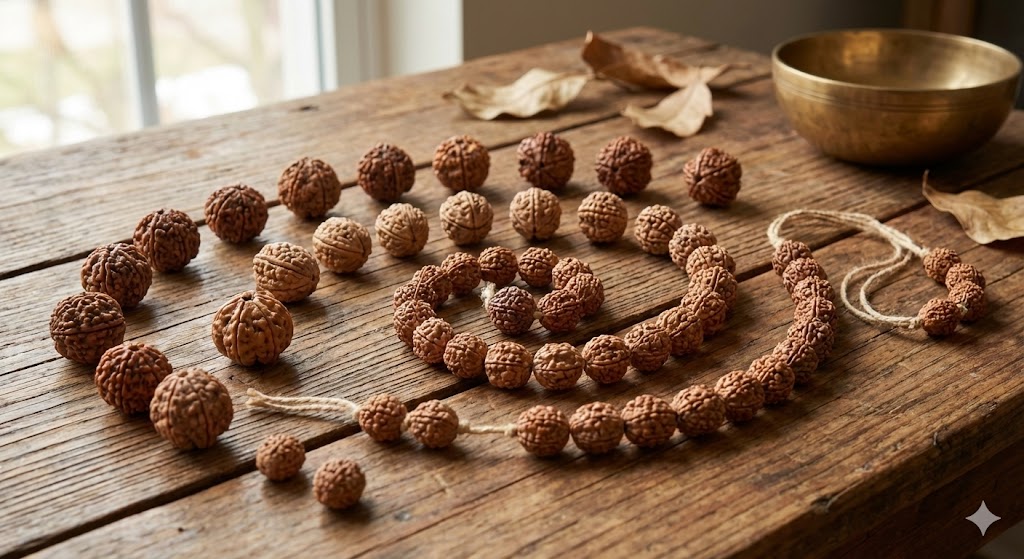

Have you ever wondered if the Rudraksha bead you purchased is genuine or just a clever imitation?
You’re not alone. With the rising popularity of Rudraksha beads worldwide, the market has become flooded with counterfeits. Some estimates suggest that up to 80% of Rudraksha beads sold online may be fake or artificially created. This alarming statistic makes understanding the difference between fake Rudraksha vs original beads absolutely essential for every buyer.
Whether you’re seeking Rudraksha for spiritual practice, meditation, or as a meaningful gift, getting tricked into buying a fake can be frustrating and disheartening. Artificial beads made from plastic, wood, or nut shells simply cannot offer the same qualities as natural Rudraksha seeds from the Elaeocarpus ganitrus tree.
In this comprehensive guide, you’ll discover 10 proven methods to identify authentic Rudraksha beads with confidence. We’ll walk you through simple home tests, visual inspection techniques, and expert tips—complete with photo references—so you never fall victim to counterfeit sellers again.
Let’s dive in and learn how to separate the real from the fake.
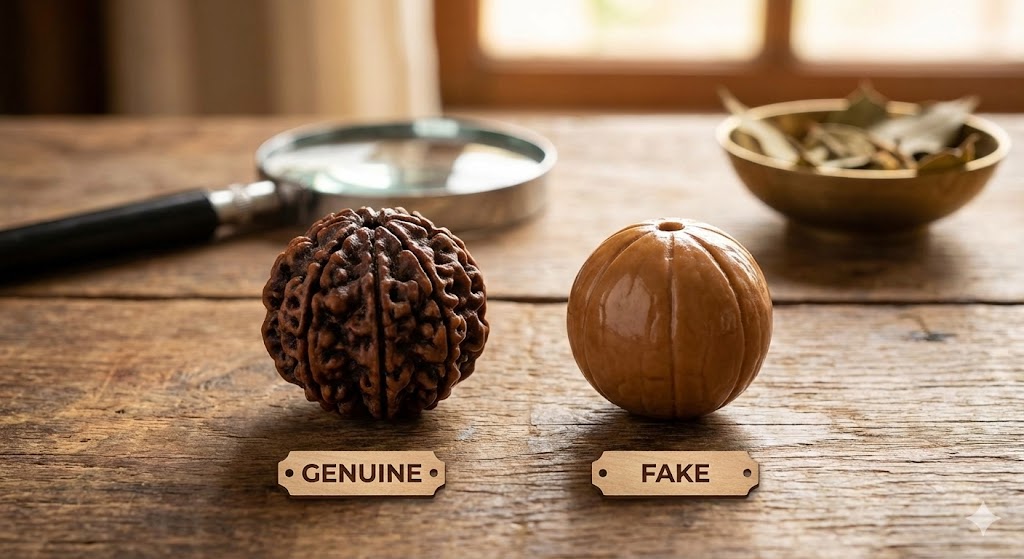
What is a Rudraksha Bead? Understanding the Basics
Before examining the differences between fake Rudraksha vs original beads, it’s important to understand what a genuine Rudraksha actually is.
The Origin of Authentic Rudraksha
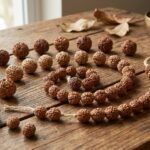
Rudraksha beads are seeds that come from the Elaeocarpus ganitrus tree, primarily found in the Himalayan regions of Nepal, Indonesia, and parts of India. The word “Rudraksha” comes from Sanskrit, combining “Rudra” (a name for Lord Shiva) and “Aksha” (meaning eyes or teardrops).
These trees grow at specific altitudes and climatic conditions. The fruit of the Elaeocarpus ganitrus contains a hard seed with natural grooves or lines running from top to bottom. These grooves divide the bead into segments called “mukhis” or “faces.”
How Mukhis Define Rudraksha Value
The number of mukhis on a Rudraksha bead determines its classification:
- 1 Mukhi (One Face): Extremely rare and valuable
- 5 Mukhi (Five Face): Most common and widely available
- 14 Mukhi and Above: Rare and highly sought after
Each type carries different significance in spiritual traditions. However, regardless of the mukhi count, the authentication process remains similar.
Why Fake Rudraksha Beads Exist
The demand for Rudraksha beads has grown exponentially, especially for rare varieties with unusual mukhi counts. This high demand and limited supply create perfect conditions for counterfeiters.
Common materials used to create fake Rudraksha include:
- Plastic moldings
- Areca nuts (betel nut seeds)
- Wooden beads with carved lines
- Berry seeds from other plants
- Chemically treated low-quality seeds
Understanding these basics helps you approach the authentication process with informed eyes.
Why Identifying Fake Rudraksha vs Original Matters
Purchasing a counterfeit Rudraksha affects more than just your wallet. Here’s why proper identification is crucial.
Financial Protection
Genuine Rudraksha beads, especially rare varieties, can cost anywhere from a few hundred to several thousand dollars. Paying premium prices for worthless fakes represents a significant financial loss.
Spiritual Authenticity
For many practitioners, the spiritual and energetic properties of Rudraksha hold deep meaning. A plastic imitation obviously cannot provide the same connection or significance as a genuine seed from sacred trees.
Supporting Ethical Trade
When you purchase authentic Rudraksha from reputable sources, you support sustainable harvesting practices and legitimate traders. Buying fakes often funds deceptive businesses that harm both consumers and honest sellers.
Health Considerations
Some fake Rudraksha beads are made with chemical dyes or treated with harmful substances. Wearing these close to your skin could potentially cause allergic reactions or other issues.
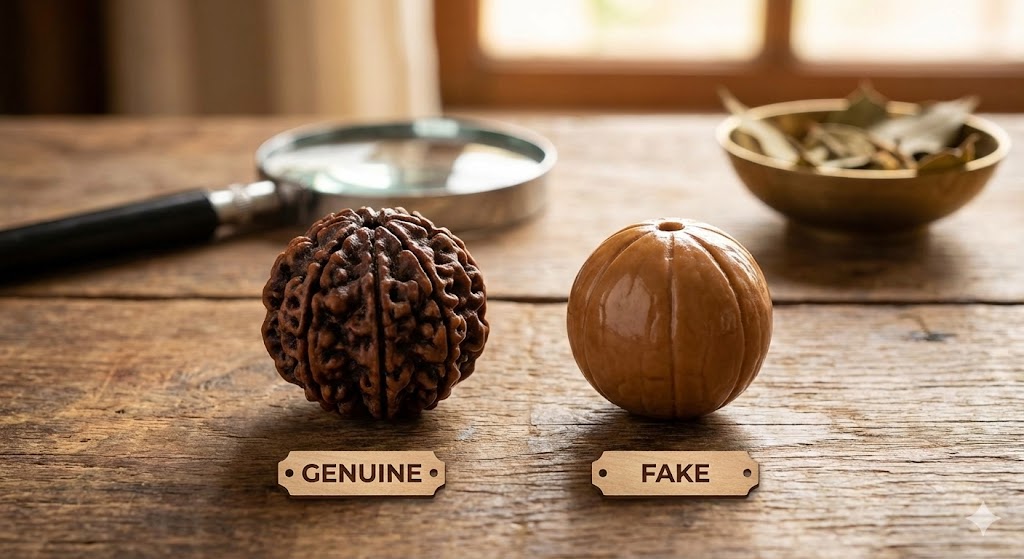
10 Key Differences: Fake Rudraksha vs Original (Complete Guide)
Now let’s explore the 10 proven methods to distinguish genuine Rudraksha beads from counterfeits. Each test provides valuable insights, and using multiple methods together gives you the most reliable results.
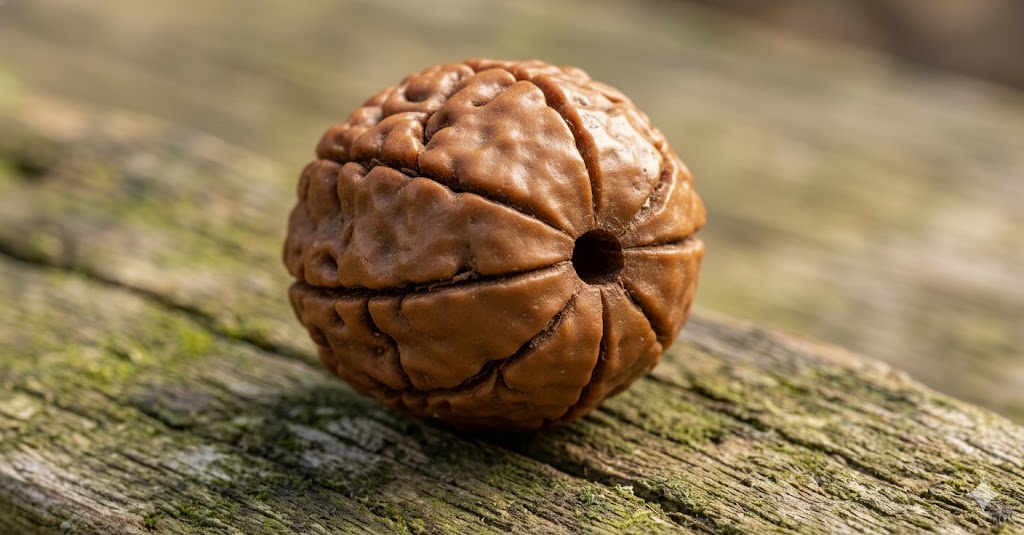
Difference #1: Surface Texture and Natural Irregularities
Why This Test Works: Natural Rudraksha seeds develop on trees over years, resulting in unique surface characteristics that are nearly impossible to replicate perfectly.
How to Examine Surface Texture:
When comparing fake Rudraksha vs original beads, the surface texture reveals crucial differences:
Genuine Rudraksha characteristics:
- Slightly rough, textured surface
- Natural irregularities and minor imperfections
- Uneven coloring with natural variations
- Small natural pores visible under magnification
- Surface feels organic and somewhat coarse
Fake Rudraksha characteristics:
- Unnaturally smooth or overly uniform texture
- Perfect symmetry without natural variations
- Consistent, even coloring throughout
- No visible pores or organic patterns
- Surface may feel plasticky or too polished
Pro Tip: Genuine Rudraksha beads are like fingerprints—no two are exactly identical. If you’re examining multiple beads that look absolutely identical, this is a red flag.
Difference #2: The Mukhi Lines (Face Grooves) Examination
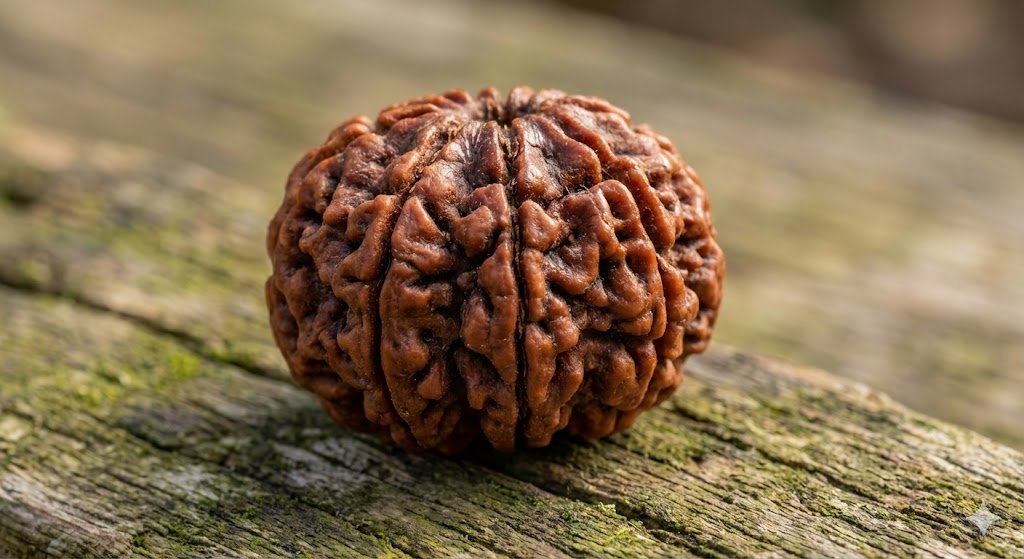
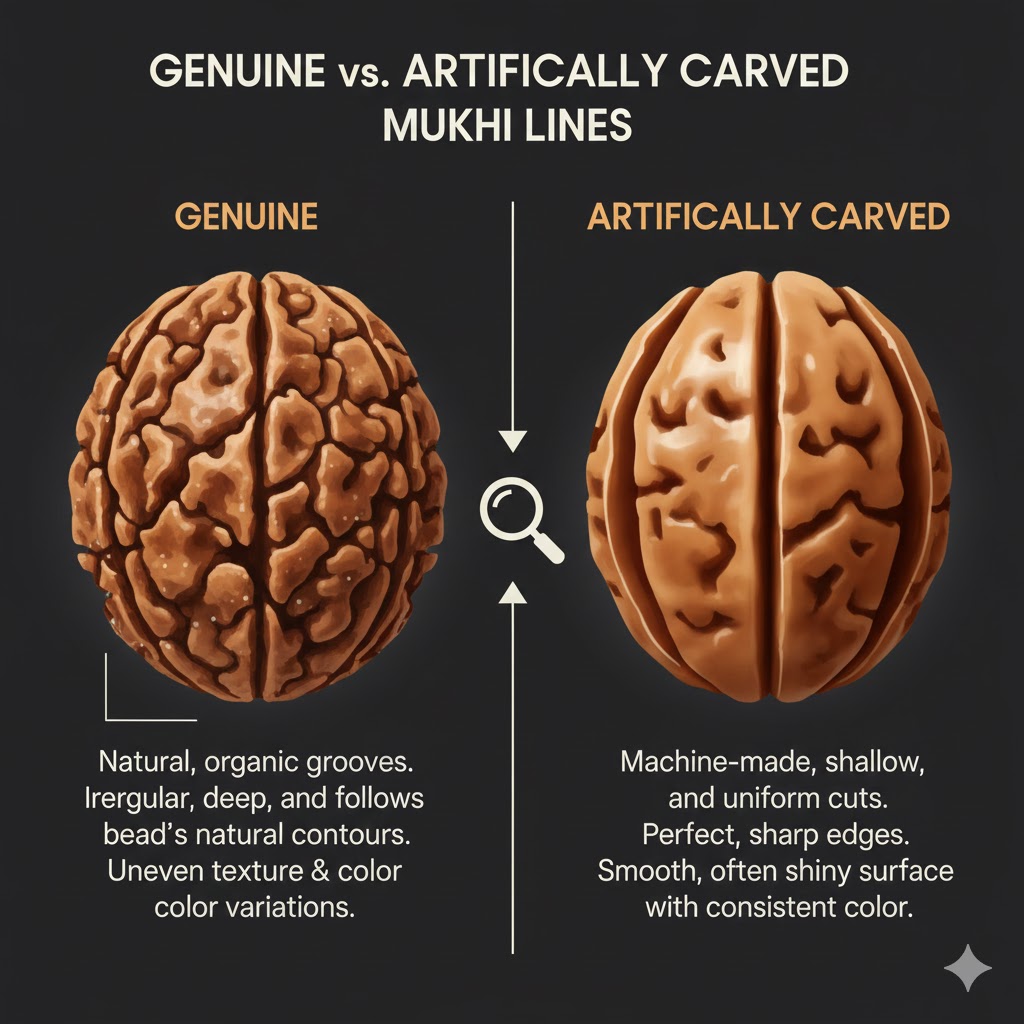
The mukhi lines are the vertical grooves running from the top to the bottom of the Rudraksha bead. These lines naturally divide the bead into sections.
How to Inspect Mukhi Lines:
Genuine Rudraksha mukhi lines:
- Run continuously from top to bottom
- May have slight natural variations in depth
- Show organic, irregular patterns
- Connect clearly at both poles of the bead
- Have natural imperfections along the groove
Fake Rudraksha mukhi lines:
- May appear carved or etched artificially
- Often too perfect and uniform in depth
- Show mechanical regularity
- Lines may not connect properly at the poles
- Grooves may have tool marks or unnatural smoothness
Important: Some counterfeiters create fake mukhis by carving additional lines into lower-mukhi beads to increase their value. For example, transforming a common 5 mukhi into a “rare” 6 mukhi through carving.
To detect this manipulation, examine where the lines meet at the top and bottom. Natural mukhis converge organically, while carved ones often show inconsistencies or abrupt endings.
Difference #3: The Classic Water Float Test
The water test is one of the most popular methods for checking Rudraksha authenticity. However, it’s important to understand both its usefulness and limitations.
How to Perform the Water Test:
- Fill a glass with room-temperature water
- Gently place the Rudraksha bead in the water
- Observe whether the bead sinks or floats
- Wait at least 2-3 minutes before drawing conclusions
What the Results Mean:
| Result | Interpretation | Notes |
|---|---|---|
| Bead sinks | Potentially genuine | Most authentic Rudraksha beads sink due to density |
| Bead floats | Possibly fake | Plastic, hollow, or dried-out beads often float |
| Bead sinks slowly | Examine further | Could indicate internal air pockets |
Important Limitations:
The water test alone is not 100% conclusive. Here’s why:
- Some genuine older Rudraksha beads may float due to drying out over time
- Heavy fake beads made from dense materials may sink
- Beads with internal damage might behave unexpectedly
Use this test as one part of your verification process, not as the sole determining factor.
Difference #4: The Copper Coin Rotation Test
This traditional test involves observing how a Rudraksha bead interacts with copper. While rooted in traditional practices, the scientific basis for this test is debated.
How to Perform the Copper Coin Test:
- Take two copper coins (pure copper works best)
- Place the Rudraksha bead between the two coins
- Hold the coins with the bead between them
- Observe if there’s any subtle movement or rotation
Traditional Interpretation:
According to traditional practitioners, a genuine Rudraksha may show slight rotation due to natural electromagnetic properties. However, this test is not scientifically validated and should be considered cultural knowledge rather than definitive proof.
Alternative Approach:
A more reliable version involves:
- Rubbing the Rudraksha against a copper surface
- Genuine beads should not leave colored residue or marks
- Dyed or artificially colored beads may transfer pigment
Difference #5: The Boiling Water Test
The boiling water test is a more intensive method to examine Rudraksha authenticity by exposing the bead to heat stress.
How to Perform the Boiling Water Test:
- Bring water to a rolling boil
- Carefully place the Rudraksha bead in the boiling water
- Let it boil for approximately 10-15 minutes
- Remove and examine the bead after cooling
What Genuine Rudraksha Shows:
- Maintains its original shape and structure
- Color remains consistent
- Mukhi lines stay intact
- No melting, warping, or deterioration
- May darken slightly but evenly
What Fake Rudraksha Shows:
- Plastic beads may melt, warp, or deform
- Artificial coloring may bleed or wash off
- Glued or artificially joined beads may separate
- Surface coating may peel or bubble
- Shape may distort noticeably
Caution: This test is more aggressive and should be performed carefully. Wear appropriate protection and handle hot water safely.
Difference #6: Visual Inspection with Magnification
Using magnification to examine a Rudraksha bead reveals details invisible to the naked eye. This is one of the most reliable methods for detailed authentication.
Tools You Can Use:
- Jeweler’s loupe (10x-20x magnification)
- Smartphone with macro lens attachment
- Standard magnifying glass
- Digital microscope (for detailed analysis)
What to Look For:
Signs of Genuine Rudraksha:
- Natural fiber patterns within the grooves
- Organic cellular structure visible on surface
- Random, natural pore distribution
- Slight color variations at the micro level
- Natural seed coat texture
Signs of Fake Rudraksha:
- Uniform, machine-made patterns
- Lack of natural cellular structure
- Artificial tool marks or grinding lines
- Synthetic material bubbles or inconsistencies
- Perfect uniformity at microscopic level
Examining the Central Hole:
If your Rudraksha has a drilled hole for stringing, examine it closely:
- Natural drilling shows organic material around the edges
- Factory drilling may show clean, mechanical cuts
- Check for plastic or artificial core materials visible through the hole
Difference #7: Weight and Density Assessment
The weight and density of a Rudraksha bead can provide useful authentication clues when compared against known standards.
Understanding Rudraksha Weight:
Genuine Rudraksha beads have a characteristic density based on their natural composition. The seed contains:
- Natural seed kernel
- Organic cell walls
- Natural moisture content
General Weight Guidelines:
| Mukhi Type | Typical Size (mm) | Expected Weight Range |
|---|---|---|
| 5 Mukhi | 15-25mm | 2-5 grams |
| 6 Mukhi | 18-28mm | 3-7 grams |
| 7 Mukhi | 18-30mm | 3-8 grams |
| Larger Mukhis | Varies widely | Weight varies accordingly |
Note: These ranges are approximate. Size and weight can vary based on origin (Nepal vs Indonesia) and growing conditions.
Weight Red Flags:
- Extremely light beads may indicate hollow construction
- Unusually heavy beads could contain artificial core materials
- Significant weight inconsistency in supposedly identical beads
The “Heft” Test:
Experienced practitioners often describe genuine Rudraksha as having a particular “heft” or feel when held. While subjective, genuine beads typically feel:
- Solidly constructed
- Well-balanced
- Naturally weighted for their size
Difference #8: The Milk Saturation Test
This traditional test involves observing how Rudraksha beads interact with milk over time. It’s particularly useful for detecting certain types of fakes.
How to Perform the Milk Test:
- Pour fresh milk into a clean glass bowl
- Place the Rudraksha bead in the milk
- Leave it submerged for 24-48 hours
- Remove and examine the bead carefully
Expected Results:
Genuine Rudraksha:
- Maintains color and structure
- May absorb slight moisture
- Shows no bleeding or color transfer
- Structure remains intact
Fake Rudraksha:
- Dye may leak into the milk
- Color may fade or change
- Surface coating may soften or peel
- Glued components may separate
Additional Observations:
After the milk test, the milk itself should remain essentially unchanged in color. Any significant color change in the milk indicates artificial dyes or treatments on the bead.
Difference #9: The X-Ray and Laboratory Testing
For high-value Rudraksha purchases, professional laboratory testing provides the most conclusive authentication.
Available Laboratory Tests:
X-Ray Analysis: X-ray imaging reveals the internal structure of Rudraksha beads, showing:
- Natural seed compartments corresponding to mukhis
- Internal density patterns
- Any foreign materials inside the bead
- Structural integrity of the seed
Characteristics of Genuine Rudraksha Under X-Ray:
- Clear internal compartments matching external mukhi count
- Consistent organic internal structure
- Natural seed kernel visible
- No artificial materials or implants
Characteristics of Fake Rudraksha Under X-Ray:
- Solid or hollow interior without natural compartments
- Artificial core materials visible
- Inconsistent density patterns
- Glued or joined sections apparent
Other Laboratory Methods:
- Carbon dating (for age verification)
- Botanical analysis (verifying Elaeocarpus ganitrus origin)
- Chemical composition testing
- Microscopic structural analysis
When to Seek Lab Testing:
Consider professional testing for:
- Rare and expensive Rudraksha (1 mukhi, Gauri Shankar, etc.)
- Purchases exceeding significant amounts
- Estate or antique Rudraksha of unknown origin
- Wholesale or bulk purchases
Difference #10: Source Verification and Certification
Perhaps the most practical approach to ensuring authenticity is verifying the source and obtaining proper certification before purchase.
Trusted Sources for Genuine Rudraksha:
Reputable Sellers Should Provide:
- Clear origin information (Nepal, Indonesia, etc.)
- Detailed photographs from multiple angles
- Certification or authenticity guarantee
- Return policy for unverified beads
- Transparent business practices
Red Flags to Avoid:
- Sellers offering “too good to be true” prices for rare beads
- No return or verification policy
- Vague or evasive answers about origin
- Pressure tactics or urgency claims
- No physical address or contact information
Certification Bodies:
While no universal Rudraksha certification authority exists, look for:
- Documentation from recognized spiritual institutions
- Gemological laboratory certificates
- Botanical verification from universities
- Seller membership in trade associations
Questions to Ask Before Buying:
- Where was this Rudraksha sourced?
- What authentication tests have been performed?
- Do you offer a return policy if authenticity is disputed?
- Can you provide magnified photos of the bead?
- What is your business history and reputation?
Quick Reference: Fake Rudraksha vs Original Comparison Table
For easy reference, here’s a comprehensive comparison table summarizing all 10 differences:
| Test Method | Genuine Rudraksha | Fake Rudraksha | Reliability |
|---|---|---|---|
| Surface Texture | Rough, natural irregularities | Smooth, uniform, artificial | High |
| Mukhi Lines | Continuous, natural grooves | Carved, artificial lines | High |
| Water Test | Usually sinks | May float | Moderate |
| Copper Test | No color transfer | May leave residue | Low-Moderate |
| Boiling Test | Maintains integrity | May melt or warp | High |
| Magnification | Natural cellular structure | Uniform, manufactured | Very High |
| Weight/Density | Natural heft for size | Too light or heavy | Moderate |
| Milk Test | No color bleeding | Dye may leak | Moderate |
| X-Ray/Lab | Clear internal compartments | Solid or foreign materials | Very High |
| Source Check | Documented origin, certified | No verification | High |
Best Practice: Use at least 3-4 different tests before concluding authenticity. No single test is 100% reliable on its own.
Common Types of Fake Rudraksha and How to Spot Them
Understanding the different categories of counterfeit Rudraksha helps you know what to look for during examination.
Type 1: Plastic Molded Fakes
Characteristics:
- Made from molded plastic or resin
- Often too perfect in appearance
- Fails boiling water test immediately
- Extremely lightweight
- No internal compartments on X-ray
How to Spot: The water float test and boiling test quickly expose plastic fakes. They also lack the natural surface texture of genuine seeds.
Type 2: Areca Nut (Betel Nut) Fakes
Characteristics:
- Made from carved areca nuts
- Similar size and weight to Rudraksha
- Mukhis are artificially carved
- Internal structure differs significantly
- Surface texture may seem natural
How to Spot: Magnification reveals different cellular structure. X-ray shows different internal composition. Mukhi lines appear carved rather than natural.
Type 3: Chemically Treated or Dyed Beads
Characteristics:
- Low-quality beads treated to appear valuable
- Artificial coloring to simulate age
- May have actual Rudraksha base
- Color inconsistencies when examined closely
How to Spot: Milk test reveals color bleeding. Boiling may remove artificial coloring. Magnification shows unnatural color distribution.
Type 4: Artificially Enhanced Mukhis
Characteristics:
- Genuine low-value beads with added lines
- Extra mukhis carved to increase value
- Base material is real Rudraksha
- Difficult to detect without careful examination
How to Spot: Examine where mukhis meet at the poles. Look for tool marks or inconsistent groove depth. Compare to verified genuine beads of same mukhi count.
Type 5: Wooden Carved Imitations
Characteristics:
- Carved from wood to resemble Rudraksha
- Often obvious to experienced eyes
- Different weight and texture
- May have wood grain visible
How to Spot: Surface texture examination quickly reveals wood grain. Weight differs from genuine beads. Boiling test shows different behavior.
Tips for Buying Authentic Rudraksha Online
Purchasing Rudraksha online presents unique challenges. Here’s how to protect yourself.
Before Making a Purchase
Research the Seller:
- Check online reviews and testimonials
- Look for business history and longevity
- Verify physical address and contact information
- Search for any complaints or scam reports
Request Detailed Information:
- Ask for multiple high-resolution photos
- Request video examination if possible
- Inquire about authentication methods used
- Confirm return and refund policies
During the Transaction
Payment Protection:
- Use secure payment methods with buyer protection
- Avoid direct bank transfers to unknown sellers
- Consider escrow services for expensive purchases
- Keep all transaction records
Documentation:
- Request authenticity certificate
- Get written confirmation of return policy
- Save all communication with seller
- Document condition upon arrival
After Receiving Your Rudraksha
Immediate Steps:
- Document the bead with photos and video upon arrival
- Perform basic tests (water, visual inspection)
- Compare to seller’s photos for consistency
- Contact seller immediately if concerns arise
If You Suspect a Fake:
- Document all evidence of inauthenticity
- Contact seller within return window
- Request refund or exchange
- File dispute with payment provider if necessary
- Leave honest review to help other buyers
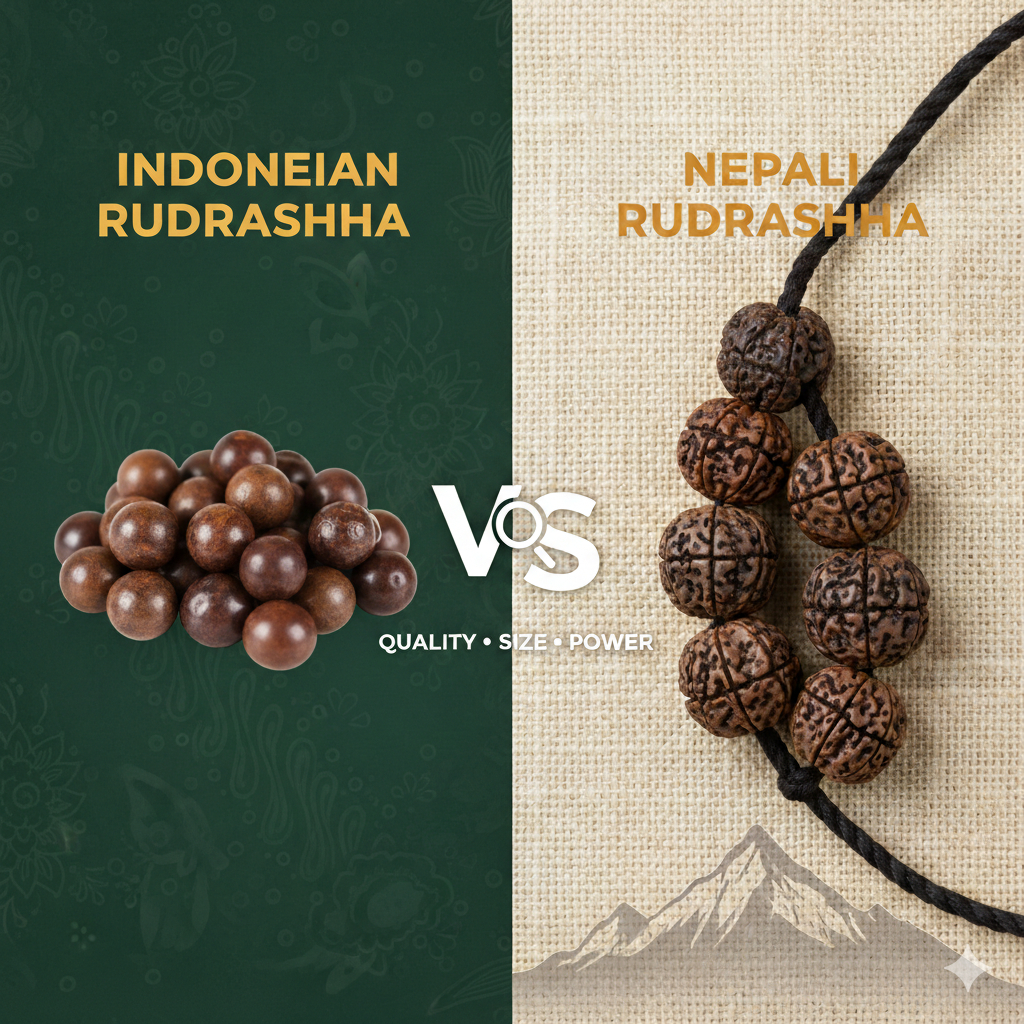
Regional Differences: Nepal vs Indonesian Rudraksha
Understanding regional variations helps you set appropriate expectations and avoid confusion with authenticity testing.
Nepal Rudraksha Characteristics
Physical Traits:
- Generally larger and heavier
- Deeper, more pronounced mukhi lines
- Considered more desirable in many traditions
- Often darker in natural color
- Higher price point due to limited supply
Market Considerations:
Nepal Rudraksha is highly sought after, making it a prime target for counterfeiting. Verify Nepal origin claims carefully.
Indonesian Rudraksha Characteristics
Physical Traits:
- Generally smaller and lighter
- Shallower mukhi grooves
- More abundant and accessible
- Natural color often lighter
- More affordable price range
Market Considerations:
While more readily available, Indonesian Rudraksha still faces counterfeiting. Some sellers mislabel Indonesian beads as Nepali to command higher prices.
How Origin Affects Testing
When performing authentication tests, remember:
- Weight expectations differ by origin
- Surface texture may vary regionally
- Size standards differ between regions
- Price should align with stated origin
Caring for Your Authentic Rudraksha
Once you’ve verified your Rudraksha’s authenticity, proper care ensures its longevity.
Daily Care Practices
Recommended:
- Wipe with soft, dry cloth regularly
- Store in clean, dry location
- Oil occasionally with natural oils (sesame, olive)
- Handle with clean hands
Avoid:
- Prolonged water exposure
- Chemical cleaners or soaps
- Extreme temperature changes
- Wearing during strenuous activities
Long-Term Preservation
Storage Tips:
- Keep in breathable pouch or container
- Avoid plastic sealed bags for long periods
- Store away from direct sunlight
- Maintain moderate humidity levels
Signs of Wear:
Over time, genuine Rudraksha may:
- Develop deeper coloring
- Become smoother with handling
- Show minor surface changes
These changes are natural and often considered positive indicators of genuine beads.
Conclusion: Your Path to Authentic Rudraksha
Distinguishing fake Rudraksha vs original beads requires patience, knowledge, and multiple verification methods. Throughout this guide, we’ve explored 10 proven differences that separate genuine Rudraksha from counterfeits.
Key Takeaways:
- No single test is conclusive — Use multiple methods together for reliable results
- Surface texture and mukhi examination provide the most accessible initial verification
- Water and boiling tests offer simple home-based authentication
- Magnification reveals details invisible to the naked eye
- Professional lab testing is recommended for expensive purchases
- Source verification and certification prevent problems before they occur
The growing market for Rudraksha beads means counterfeiters continue developing more sophisticated fakes. Stay informed, purchase from reputable sources, and always verify before committing to significant purchases.
Armed with the knowledge from this guide, you can now approach Rudraksha purchases with confidence. Whether seeking a 5 mukhi for daily practice or a rare collector’s piece, you have the tools to protect yourself from deception.
Have you encountered suspicious Rudraksha beads? Share your experiences in the comments below and help others in the community learn from your insights.
Frequently Asked Questions (FAQs)
Can genuine Rudraksha beads ever float in water?
Yes, in some cases. While most authentic Rudraksha beads sink due to their natural density, older beads that have dried out significantly may float. Beads with natural internal air pockets can also float despite being genuine. This is why the water test should never be used as the sole verification method. Always combine it with surface examination, mukhi inspection, and other tests for reliable authentication.
How can I tell if a seller has added extra mukhi lines to a genuine bead?
Examine how the mukhi lines meet at the top and bottom poles of the bead. Naturally formed mukhis converge organically with consistent groove depth throughout. Artificially added lines often show abrupt endings, inconsistent depths, or tool marks visible under magnification. Compare the suspected bead to verified photos of the same mukhi count from trusted sources.
Does the age of a Rudraksha affect its authenticity tests?
Older Rudraksha beads may behave differently in some tests. They might float in water due to moisture loss, have darker coloring, and show smoother surfaces from handling. However, core characteristics like mukhi structure and internal compartments remain consistent. Age doesn’t create or remove genuine mukhi lines, so structural examination remains reliable regardless of age.
Are all Rudraksha beads from temples or spiritual shops guaranteed authentic?
Unfortunately, no. While many temples and spiritual shops sell genuine Rudraksha, counterfeit beads have infiltrated even these trusted spaces. Some shops unknowingly source from suppliers who mix genuine and fake beads. Always perform your own verification regardless of the purchase location. Request certifications and don’t hesitate to test beads before finalizing purchases.
What should I do if I’ve already purchased a Rudraksha and now suspect it’s fake?
First, document the bead thoroughly with photos and perform multiple authentication tests described in this guide. If multiple tests indicate the bead is fake, contact the seller with your evidence within their return window. Request a refund or exchange. If the seller refuses and you paid through a protected method, file a dispute with your payment provider. Leave honest reviews to warn other buyers.
Is there a reliable certification body for Rudraksha authentication?
Currently, no single universally recognized international certification authority exists specifically for Rudraksha. Some gemological laboratories offer testing services, and certain spiritual institutions provide authentication. When accepting certificates, research the issuing organization’s reputation and methods. The most reliable approach combines documentation from reputable sellers with your own multi-test verification process.