
Have you ever wondered why certain gemstones are associated with specific months? Or perhaps you’ve received a birthstone ring and wanted to understand its deeper significance? You’re not alone. Millions of people around the world connect with their birthstones, seeking to understand the rich traditions, symbolic meanings, and potential benefits these precious gems carry.
Birthstones have captivated humanity for thousands of years, with origins tracing back to ancient civilizations who believed these gems held mystical powers aligned with celestial bodies. Today, birthstones remain deeply meaningful, whether you’re choosing jewelry for yourself, selecting a thoughtful gift, or simply curious about the gemstone that represents your birth month.
In this comprehensive guide, you’ll discover everything you need to know about birthstones by month, including their historical origins, symbolic meanings, attributed benefits, and practical advice for selecting the perfect stone. By the end, you’ll have the knowledge to make informed decisions about birthstone jewelry and understand the fascinating stories behind these treasured gems.
What Are Birthstones and Why Do They Matter?
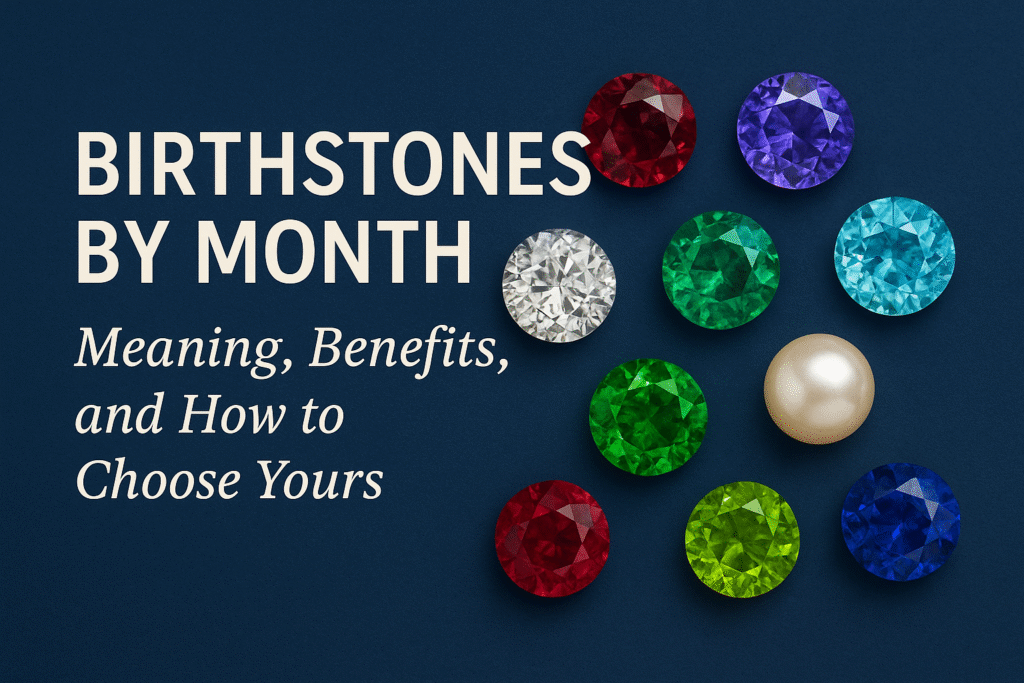
Birthstones are gemstones traditionally associated with each month of the year. The concept connects specific precious or semi-precious stones to birth months, creating a personal connection between individuals and particular gems. This tradition has evolved over centuries, blending ancient beliefs, cultural practices, and modern standardization.
The modern birthstone list recognized today was officially established in 1912 by the American National Association of Jewelers (now known as Jewelers of America). This standardization helped create consistency in the jewelry industry while honoring historical associations. Since then, the list has been updated several times to include additional stones for certain months.
Historical Origins of Birthstones
The tradition of birthstones is believed to have biblical origins, connected to the twelve stones representing the twelve tribes of Israel on the breastplate of Aaron, as described in the Book of Exodus. Ancient scholars and historians later connected these twelve stones to the twelve signs of the zodiac and eventually to the twelve months of the calendar year.
Throughout history, different cultures have assigned their own meanings and gemstones to birth months. Ancient Hindus associated gems with celestial bodies and believed wearing specific stones could bring good fortune. The ancient Greeks and Romans also attributed protective powers to certain gems worn during particular times of the year.
Why Birthstones Hold Personal Significance
Wearing your birthstone creates a personal connection to your birth month and the qualities traditionally associated with that time of year. Many people report feeling more aligned with their authentic selves when wearing their birthstone, viewing it as a reflection of their personality traits or life aspirations.
Complete Birthstones by Month Chart and Guide
Below you’ll find a comprehensive breakdown of each month’s birthstone, including alternative stones recognized by various traditions. Understanding your options allows you to choose gems that resonate most deeply with your preferences and values.
| Month | Primary Birthstone | Alternative Stone | Key Symbolism |
| January | Garnet | Rose Quartz | Protection, friendship |
| February | Amethyst | Jasper | Clarity, peace, wisdom |
| March | Aquamarine | Bloodstone | Courage, serenity |
| April | Diamond | White Sapphire | Strength, eternal love |
| May | Emerald | Chrysoprase | Rebirth, fertility, love |
| June | Pearl | Alexandrite, Moonstone | Purity, innocence |
| July | Ruby | Carnelian | Passion, vitality |
| August | Peridot | Sardonyx, Spinel | Prosperity, happiness |
| September | Sapphire | Lapis Lazuli | Wisdom, loyalty, truth |
| October | Opal | Tourmaline | Hope, creativity |
| November | Topaz | Citrine | Joy, abundance |
| December | Turquoise | Tanzanite, Zircon | Good fortune, success |
Detailed Guide to Each Month’s Birthstone
January Birthstone: Garnet
The garnet serves as January’s birthstone, representing friendship, trust, and protection. This deep red gemstone has been treasured since ancient times, with specimens discovered in Egyptian tombs dating back over 5,000 years. Garnets were popular among nobility and clergy throughout the Middle Ages, believed to protect travelers and ensure safe journeys.
Garnet Meaning and Symbolism
The name garnet derives from the Latin word ‘granatum,’ meaning pomegranate, due to its resemblance to the fruit’s vibrant red seeds. This stone symbolizes deep affection and commitment, making it a meaningful gift between close friends or romantic partners. Many believe garnet energizes the wearer, inspiring confidence and creativity while providing grounding energy.
Traditional Benefits Associated with Garnet
- Believed to enhance energy levels and vitality
- Associated with protection during travel
- Said to promote emotional balance and self-confidence
- Traditionally linked to strengthening relationships
February Birthstone: Amethyst
Amethyst, February’s birthstone, displays stunning purple hues ranging from light lavender to deep violet. This quartz variety has captivated humans for millennia, once considered as valuable as diamonds. Ancient Greeks believed amethyst prevented intoxication, with the name derived from the Greek word ‘amethystos,’ meaning ‘not drunk.’
Amethyst Meaning and Properties
Amethyst symbolizes clarity of mind, inner peace, and spiritual wisdom. Throughout history, it has adorned royalty and religious figures, representing sobriety, humility, and sincerity. The gem’s rich purple color associates it with nobility and luxury, while its calming energy makes it popular for meditation and stress relief.
Traditional Benefits Associated with Amethyst
- Associated with mental clarity and focus
- Believed to promote peaceful sleep and pleasant dreams
- Said to encourage emotional stability
- Traditionally used for meditation and spiritual practices
March Birthstone: Aquamarine
Aquamarine, the primary March birthstone, captures the serene beauty of ocean waters in its pale blue-green hues. This beryl family member has long been associated with the sea, with ancient mariners believing it protected them during voyages and ensured safe passage across treacherous waters.
Aquamarine Symbolism and Significance
The name aquamarine comes from Latin, combining ‘aqua’ (water) and ‘marina’ (sea). This stone represents courage, communication, and emotional clarity. Its tranquil blue tones evoke feelings of peace and relaxation, making it a cherished gem for those seeking calm in turbulent times. Aquamarine also symbolizes eternal youth and happiness.
April Birthstone: Diamond
The diamond, April’s birthstone, stands as the most celebrated gemstone worldwide. Formed deep within the Earth under extreme pressure and temperature, diamonds symbolize invincibility and eternal love. The word diamond derives from the Greek ‘adamas,’ meaning unconquerable, reflecting its unmatched hardness.
Diamond Meaning and Cultural Significance
Diamonds represent enduring strength, purity, and commitment. Their brilliant light dispersion and incredible durability have made them the preferred choice for engagement rings and milestone celebrations. Beyond romantic symbolism, diamonds have been associated with courage, clarity of thought, and spiritual enlightenment throughout various cultures.
May Birthstone: Emerald
Emerald, May’s birthstone, displays the rich green color that has enchanted civilizations for over 4,000 years. Cleopatra famously adored emeralds, and the ancient Egyptians buried their pharaohs with these precious stones. The emerald belongs to the beryl mineral family and owes its captivating color to trace amounts of chromium and vanadium.
Emerald Symbolism and Properties
Emeralds symbolize rebirth, fertility, and unconditional love. Their verdant color connects them to nature, growth, and renewal. Ancient cultures believed emeralds could reveal truth and protect against evil spells. Today, emeralds remain associated with wisdom, patience, and successful love, making them meaningful gifts for partners and parents alike.
June Birthstone: Pearl, Alexandrite, and Moonstone
June celebrates three birthstones, offering those born this month diverse options. The pearl, created by living mollusks, represents purity and innocence. Alexandrite, known for its remarkable color-changing properties, symbolizes good fortune. Moonstone, with its ethereal glow, connects to intuition and feminine energy.
Pearl: The Classic June Birthstone
Pearls hold unique status as the only gems created by living creatures. Their lustrous beauty has been treasured for millennia, symbolizing modesty, purity, and wisdom gained through experience. Unlike mined gemstones, pearls require no cutting or polishing to reveal their beauty, emerging perfect from the sea.
July Birthstone: Ruby
The ruby, July’s birthstone, blazes with passionate red fire. Known as the ‘king of precious stones,’ rubies have commanded the highest prices throughout history for the finest specimens. This corundum variety gets its red color from chromium, with the most valued rubies displaying a deep, vivid red known as ‘pigeon blood.’
Ruby Meaning and Cultural Importance
Rubies symbolize passion, protection, and prosperity. Ancient warriors embedded rubies in their armor and skin, believing the stones made them invincible in battle. The gem represents the heart and life force, associated with love, energy, and power. Rubies have adorned crowns and regalia of royalty across cultures, signifying wealth and authority.
August Birthstone: Peridot, Sardonyx, and Spinel
August offers three birthstones, with peridot serving as the primary stone. This olive-green gem forms deep in the Earth’s mantle and arrives at the surface through volcanic activity. Sardonyx, a banded variety of chalcedony, has ancient roots in protection and courage. Spinel, added more recently, appears in various colors and was historically confused with ruby.
Peridot Properties and Symbolism
Peridot’s refreshing green color symbolizes prosperity, happiness, and good health. Ancient Egyptians called it the ‘gem of the sun,’ believing it protected against nightmares and evil spirits. Unlike most gemstones, peridot exists in only one color, though shades range from yellow-green to deep olive. This gem encourages positivity and openness to new possibilities.
September Birthstone: Sapphire
Sapphire, September’s birthstone, is treasured for its stunning blue hues, though it occurs in nearly every color except red (which would make it a ruby). This corundum variety has represented wisdom, loyalty, and noble values for centuries. Royal families have favored sapphires for engagement rings and ceremonial jewelry.
Sapphire Meaning and Traditions
The sapphire symbolizes truth, sincerity, and faithfulness. Medieval clergy wore blue sapphires to represent heaven, while ancient Persians believed the sky reflected a giant sapphire. This gem encourages wisdom and sound judgment, making it popular among scholars and spiritual seekers. Blue sapphires also represent loyalty in relationships.
October Birthstone: Opal and Tourmaline
October claims two birthstones with vastly different appearances. Opal displays a mesmerizing play of color, with light dancing across its surface in rainbow flashes. Tourmaline occurs in more color varieties than any other gemstone, from pink to green to blue to multicolored specimens called ‘watermelon tourmaline.’
Opal’s Unique Beauty and Meaning
Opals symbolize hope, creativity, and innocence. Their unique play-of-color phenomenon occurs when silica spheres diffract light, creating the characteristic rainbow effect. Ancient Romans considered opals symbols of hope and purity, while Arabic legends claimed opals fell from the sky in lightning storms. Each opal displays unique patterns, making every stone one of a kind.
November Birthstone: Topaz and Citrine
November birthdays enjoy two warm-toned birthstones: topaz and citrine. Topaz occurs in various colors, with golden and blue varieties being most popular. Citrine ranges from pale yellow to deep amber, often called the ‘success stone’ for its association with prosperity and positive energy.
Topaz and Citrine Symbolism
Both November birthstones radiate warmth and positive energy. Topaz symbolizes love, affection, and strength, believed to promote wisdom and clear thinking. Citrine, named for the French word for lemon, represents joy, abundance, and manifestation. These sunny stones make perfect companions for the autumn month, bringing light and optimism to shorter days.
December Birthstone: Turquoise, Tanzanite, and Zircon
December features three birthstones spanning ancient traditions to modern discoveries. Turquoise, used for over 5,000 years, displays distinctive blue-green hues. Tanzanite, discovered only in 1967, showcases remarkable blue-violet colors. Zircon, often confused with cubic zirconia, is a natural gem with brilliant fire and ancient origins.
December Birthstone Meanings
Turquoise represents good fortune, protection, and success, revered by Native American and Middle Eastern cultures alike. Tanzanite symbolizes transformation and spiritual growth, its rarity adding to its mystique. Zircon, one of Earth’s oldest minerals, promotes wisdom, prosperity, and honor. These varied options allow December babies to choose stones that resonate with their personalities.
The Science Behind Birthstones: Understanding Gemstone Formation
Understanding how birthstones form adds another layer of appreciation for these remarkable gems. Each stone’s journey from raw material to polished jewel involves fascinating geological processes spanning millions of years.
How Gemstones Form in Nature
Gemstones form through three primary geological processes: igneous, metamorphic, and sedimentary. Igneous gems like peridot and diamond crystallize from molten rock deep within the Earth. Metamorphic stones such as ruby and sapphire form when existing rocks transform under intense heat and pressure. Sedimentary gems including opal develop through water-based processes over extended periods.
Mineral Composition of Popular Birthstones
Each birthstone has a unique chemical composition that determines its color, hardness, and optical properties. Diamonds consist of pure carbon arranged in a crystal lattice, while rubies and sapphires are both forms of corundum (aluminum oxide) with different trace elements creating their distinctive colors. Emeralds belong to the beryl family, with chromium and vanadium responsible for their green hue.
Birthstone Hardness and Durability Guide
The Mohs hardness scale measures a gem’s resistance to scratching, with 10 being the hardest (diamond) and 1 being the softest (talc). Understanding hardness helps you choose appropriate jewelry settings and care routines.
| Birthstone | Mohs Hardness | Mineral Family | Best For |
| Diamond | 10 | Carbon | All jewelry types |
| Ruby/Sapphire | 9 | Corundum | All jewelry types |
| Topaz | 8 | Silicate | Rings, pendants |
| Emerald | 7.5-8 | Beryl | Earrings, pendants |
| Aquamarine | 7.5-8 | Beryl | All jewelry types |
| Garnet | 6.5-7.5 | Silicate | All jewelry types |
| Amethyst | 7 | Quartz | All jewelry types |
| Peridot | 6.5-7 | Olivine | Earrings, pendants |
| Opal | 5.5-6.5 | Silica | Earrings, brooches |
| Pearl | 2.5-4.5 | Calcium Carbonate | Earrings, necklaces |
Understanding Gemstone Treatments
Many birthstones undergo treatments to enhance their appearance. Understanding common treatments helps you make informed purchasing decisions and properly care for your gems.
- Heat Treatment: Common for sapphires, rubies, and aquamarines to improve color and clarity
- Oiling: Standard practice for emeralds to minimize the appearance of inclusions
- Irradiation: Used to create blue topaz and enhance certain diamond colors
- Coating: Applied to some stones to improve color; less stable than other treatments
Birthstones Across World Cultures and Traditions
While the modern Western birthstone list is most widely recognized, cultures around the world have developed their own gemstone traditions. Exploring these diverse perspectives enriches understanding of how different societies have connected with precious stones.
Hindu and Vedic Traditions
The Hindu tradition of Navaratna (nine gems) associates specific gemstones with celestial bodies rather than birth months. This system connects ruby with the Sun, pearl with the Moon, coral with Mars, emerald with Mercury, yellow sapphire with Jupiter, diamond with Venus, blue sapphire with Saturn, hessonite garnet with Rahu (north lunar node), and cat’s eye with Ketu (south lunar node). Practitioners believe wearing the appropriate gem can balance planetary influences and bring harmony to one’s life.
Traditional Chinese Gemstone Associations
Chinese tradition places jade above all other gemstones, considering it the ‘stone of heaven’ representing virtue, beauty, and immortality. While China doesn’t follow the Western birthstone system, different jade varieties and other stones like coral, pearl, and carnelian hold significance in Chinese astrology and medicine. Jade is believed to protect the wearer and bring good fortune, with its quality assessed by color, translucency, and texture.
Native American Gemstone Wisdom
Indigenous peoples of North America developed deep connections with local gemstones, particularly turquoise, which many tribes consider sacred. The Navajo, Zuni, and other Southwestern nations incorporate turquoise into ceremonial objects, jewelry, and spiritual practices. Turquoise is believed to offer protection, promote communication with the spirit world, and bring good fortune. Other stones like coral, jet, and shell also hold ceremonial significance across various Native American traditions.
Ancient Egyptian Gem Beliefs
Ancient Egyptians attributed powerful properties to gemstones, incorporating them into religious practices, medicine, and burial rituals. Lapis lazuli represented the heavens and was reserved for royalty. Carnelian symbolized the blood of Isis and was used in protective amulets. Emeralds were associated with fertility and rebirth, while turquoise provided protection. These beliefs influenced gemstone traditions throughout the Mediterranean region and beyond.
Ultimate Birthstone Gift Guide: Choosing Meaningful Presents
Birthstone jewelry makes exceptionally thoughtful gifts, demonstrating that you’ve put genuine thought into selecting something personally meaningful. This guide helps you navigate the options and choose the perfect birthstone gift for any recipient.
Best Birthstone Gifts by Relationship
For Romantic Partners
Birthstone jewelry communicates deep affection and personal knowledge of your partner. Consider incorporating their birthstone into engagement rings, anniversary gifts, or ‘just because’ presents. Combining your birthstones in a single piece creates a uniquely meaningful symbol of your relationship. Popular options include two-stone rings, interlocking pendants, or bracelets featuring both stones.
For Parents and Family Members
Family birthstone jewelry allows you to honor multiple loved ones in a single piece. Mother’s rings featuring children’s birthstones remain perennial favorites, while family tree pendants can incorporate gems representing multiple generations. Consider grandparent jewelry featuring grandchildren’s birthstones or sibling pieces that connect family members across distances.
For Friends and Colleagues
Birthstone accessories make thoughtful gifts for friends without the romantic implications of fine jewelry. Consider sterling silver pendants, birthstone stud earrings, or decorative items like keychains and bookmarks. These gifts show you remember important dates while remaining appropriate for various relationship contexts.
Birthstone Gift Ideas by Budget
Budget-Friendly Options (Under $100)
- Sterling silver birthstone pendants or studs
- Birthstone charm bracelets
- Raw or tumbled birthstone specimens
- Birthstone-colored crystal jewelry
- Personalized birthstone keepsake boxes
Mid-Range Gifts ($100-$500)
- Gold-plated or gold-filled birthstone jewelry
- Quality birthstone stacking rings
- Birthstone tennis bracelets
- Custom birthstone family jewelry
- Artisan-crafted birthstone pieces
Luxury Birthstone Gifts ($500+)
- Fine gold birthstone rings with quality stones
- Designer birthstone jewelry collections
- Certified precious birthstone pieces
- Custom-designed birthstone heirloom jewelry
- Investment-grade birthstone specimens
Occasion-Based Birthstone Gifting
Different occasions call for different approaches to birthstone gifting. Birthday celebrations naturally align with birthstone presents, but these gems also make meaningful gifts for graduations, milestone anniversaries, baby showers, and religious ceremonies. Consider a birth month stone for welcoming new babies, graduation jewelry featuring the graduate’s birthstone, or anniversary pieces incorporating both partners’ stones.
Traditional and Symbolic Benefits of Wearing Your Birthstone
Throughout history, people have attributed various benefits to wearing birthstones. While scientific evidence doesn’t support metaphysical claims, many find meaning and comfort in these traditional associations. Understanding these beliefs enriches appreciation for birthstone jewelry.
Personal Connection and Identity
Wearing your birthstone creates a personal connection to your birth month and the qualities traditionally associated with that time of year. Many people report feeling more aligned with their authentic selves when wearing their birthstone, viewing it as a reflection of their inherent traits and potential.
Meaningful Gift-Giving
Birthstone jewelry makes thoughtful, personalized gifts for loved ones. Unlike generic presents, birthstone pieces demonstrate knowledge of and care for the recipient. These gifts carry symbolic weight, representing wishes for the qualities associated with that stone, whether protection, love, wisdom, or prosperity.
Cultural and Spiritual Significance
For those who value traditional or spiritual practices, birthstones offer connection to ancient wisdom and cultural heritage. Many meditation and mindfulness practitioners incorporate their birthstones into their practice, finding the gems serve as meaningful focal points for intention-setting and reflection.
How to Choose the Right Birthstone for You
Selecting a birthstone involves more than simply matching your birth month to a gem. Several factors can help you find the perfect stone that you’ll treasure for years to come.
Consider Your Options
Many months feature multiple birthstones, giving you choices based on color preference, budget, and symbolism. If your primary birthstone doesn’t appeal to you, explore the alternatives. June babies, for instance, can choose between pearl, alexandrite, and moonstone, each with distinct appearances and meanings.
Evaluate Quality Factors
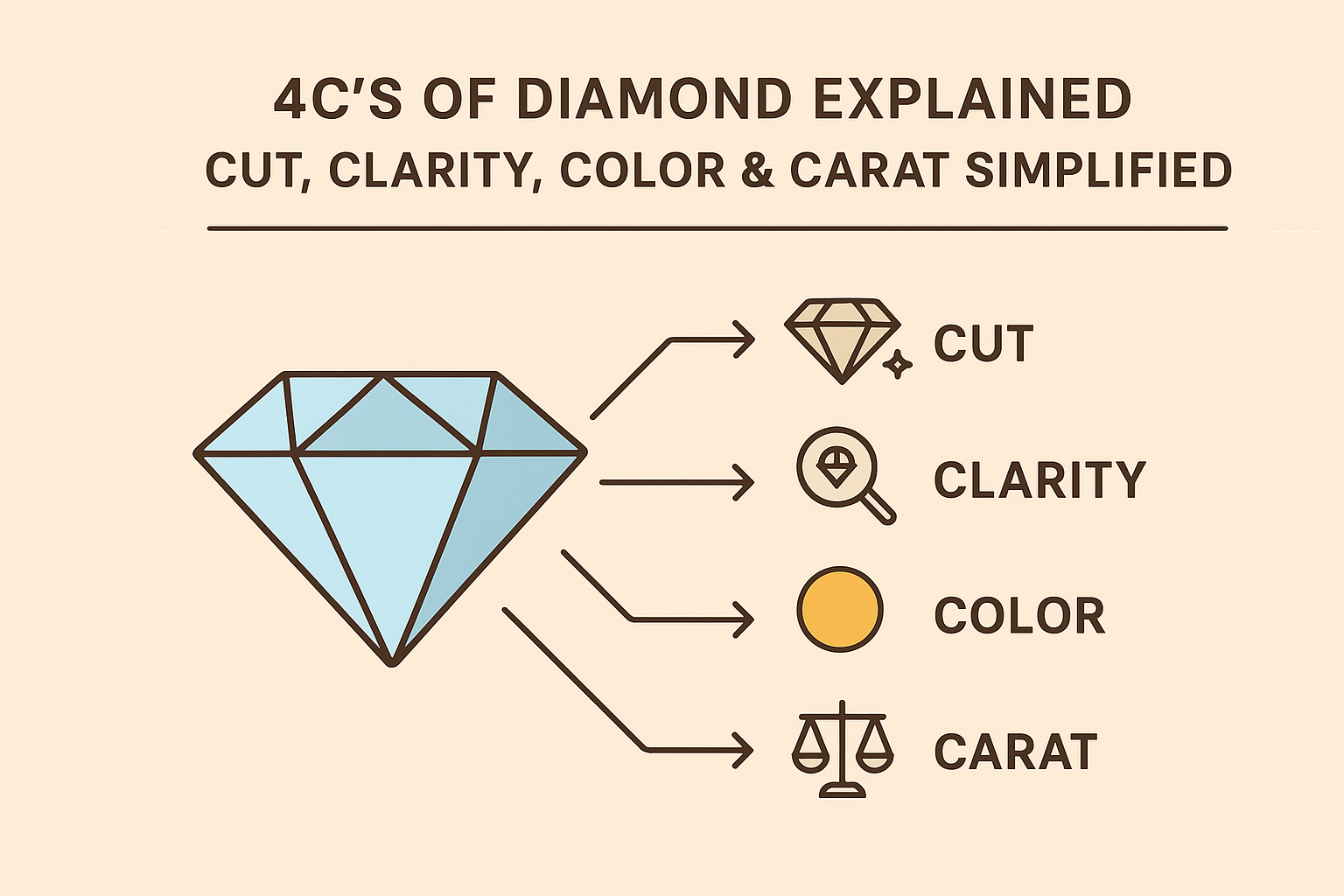
When purchasing birthstone jewelry, understand the quality factors that affect appearance and value. For most colored gemstones, consider color intensity and saturation, clarity and visible inclusions, cut quality and light performance, and carat weight relative to your preferences. Different gems have different quality standards, so research your specific stone.
Set a Realistic Budget
Birthstone prices vary dramatically. Diamonds and emeralds command premium prices, while amethyst and citrine remain affordable. If budget is a concern, consider smaller carat weights, alternative birthstones for your month, or quality synthetic options that offer identical chemical composition at lower prices.
Choose Appropriate Jewelry Settings
Some gemstones are more durable than others and suit different jewelry types. Diamonds and sapphires (hardness 9-10) work well in rings worn daily. Softer stones like pearl (2.5-4.5) and opal (5.5-6.5) are better suited for earrings and pendants that receive less wear. Consider your lifestyle and how you’ll wear the piece.
Tips for Buying Birthstone Jewelry
- Purchase from reputable jewelers who provide certification for precious stones
- Ask about treatment disclosures, as many gems undergo heat or other enhancements
- Consider the setting metal, as some stones look better in gold while others shine in silver or platinum
- Request documentation of origin if ethical sourcing matters to you
- Compare options online and in-store to understand fair pricing
Complete Guide to Caring for Your Birthstone Jewelry
Proper care ensures your birthstone jewelry remains beautiful for generations. Different gems require different approaches to cleaning and storage, and understanding your stone’s specific needs prevents damage.
General Care Guidelines
Most gemstones benefit from gentle cleaning with mild soap and lukewarm water. Use a soft brush to remove dirt from settings. Always dry jewelry completely before storing. Remove birthstone jewelry before swimming, exercising, or using household chemicals to prevent damage.
Cleaning Methods by Stone Type
Hard Stones (Diamond, Ruby, Sapphire)
These durable stones tolerate ultrasonic cleaners and steam cleaning. Soak in warm water with mild dish soap, scrub gently with a soft toothbrush, rinse thoroughly, and dry with a lint-free cloth. Avoid harsh chemicals that might damage settings.
Medium-Hard Stones (Emerald, Amethyst, Aquamarine)
Clean with warm soapy water only. Avoid ultrasonic cleaners, which can damage inclusions in emeralds or cause fractures. Never expose emeralds to heat or rapid temperature changes. Pat dry gently and store carefully.
Soft and Organic Gems (Pearl, Opal, Turquoise)
These require the gentlest care. Wipe with a soft, damp cloth only. Never soak pearls or expose them to chemicals, including perfume and hairspray. Store opals in slightly humid conditions to prevent cracking. Keep turquoise away from oils and cosmetics.
Storage Recommendations
- Store each piece separately to prevent scratching
- Use soft pouches or lined jewelry boxes
- Keep pearls away from other jewelry entirely
- Avoid storing opals in airtight containers
- Keep all stones away from direct sunlight and heat
- Schedule professional cleanings annually for valuable pieces
Ethical and Sustainable Birthstone Sourcing
Modern consumers increasingly prioritize ethical sourcing when purchasing gemstones. Understanding where your birthstone comes from and how it was obtained helps you make informed, responsible choices.
Understanding Gemstone Origins
Major gemstone-producing regions include Sri Lanka (sapphires, rubies), Colombia (emeralds), Myanmar (rubies, jade), Australia (opals, sapphires), Brazil (various gems), and East Africa (tanzanite, rubies). Each region has different labor practices, environmental regulations, and transparency standards. Some origins command premium prices due to quality or historical significance.
Questions to Ask Your Jeweler
When purchasing birthstone jewelry, inquire about the stone’s country of origin, whether it was mined using responsible practices, if the seller can provide chain-of-custody documentation, and what certifications or ethical guarantees apply. Reputable jewelers should willingly discuss sourcing and provide whatever documentation is available.
Lab-Created Alternatives
Laboratory-grown gemstones offer an ethical alternative to mined stones. These gems have identical chemical, physical, and optical properties to natural stones but are created in controlled environments. Lab-created options exist for many birthstones, including diamonds, sapphires, rubies, emeralds, and alexandrite. They typically cost significantly less than natural counterparts while avoiding mining-related environmental and social concerns.
Finding Your Perfect Birthstone Connection
Birthstones offer a wonderful way to celebrate your identity and connect with traditions spanning thousands of years. Whether you’re drawn to your birthstone’s color, meaning, or cultural significance, these gems provide personal expression that combines beauty with symbolism.
Remember that the ‘right’ birthstone is ultimately the one that resonates with you. If you love the rich purple of amethyst but were born in July, there’s no rule against wearing and enjoying that stone. Many people collect birthstones for all their family members or choose gems based on zodiac signs or life goals rather than strictly following birth month traditions.
As you explore birthstone options, take time to learn about each gem’s unique characteristics and care requirements. A well-chosen birthstone can become a treasured piece you wear daily or reserve for special occasions, carrying personal meaning that deepens over time.
Ready to find your perfect birthstone? Start by exploring pieces featuring your birth month’s gem, and don’t be afraid to try on different styles to discover what feels right for you.
Frequently Asked Questions About Birthstones
Below are answers to common questions about birthstones that weren’t covered in the main article sections.
Can I wear a birthstone that isn’t my birth month’s gem?
Absolutely. While birthstones traditionally correspond to birth months, there are no rules preventing you from wearing any gem you love. Many people wear stones based on zodiac signs, personal preferences, or symbolic meanings that resonate with their current life phase. Some choose to wear birthstones of loved ones or collect gems from various months.
Why do some months have multiple birthstones while others have only one?
Multiple birthstones for certain months reflect both historical traditions and practical considerations. The standardized list has been updated several times since 1912, adding stones to provide more affordable options or recognize long-standing alternative traditions. For instance, tanzanite was added to December in 2002, and spinel was added to August in 2016.
Are synthetic birthstones considered authentic?
Lab-created or synthetic gemstones share the same chemical composition and physical properties as natural stones. They’re genuine gems, not imitations. The main differences are origin and price. Synthetic stones cost significantly less and are environmentally friendlier. Whether they’re ‘authentic’ depends on your definition, but they’re absolutely real gemstones suitable for birthstone jewelry.
How do birthstones differ from zodiac stones?
Birthstones are assigned by calendar month, while zodiac stones correspond to astrological signs that span different date ranges. For example, if you were born in late January, your birthstone is garnet (January’s stone), but your zodiac stone might be amethyst (Aquarius). Some people wear both or choose the tradition that feels more meaningful to them.
What’s the best way to verify a birthstone’s authenticity when purchasing?
For valuable purchases, request certification from recognized gemological laboratories such as GIA (Gemological Institute of America), AGS (American Gem Society), or IGI (International Gemological Institute). These certificates document the stone’s characteristics and confirm its identity. For everyday birthstone jewelry at lower price points, purchasing from reputable retailers with clear return policies provides reasonable assurance of authenticity.