
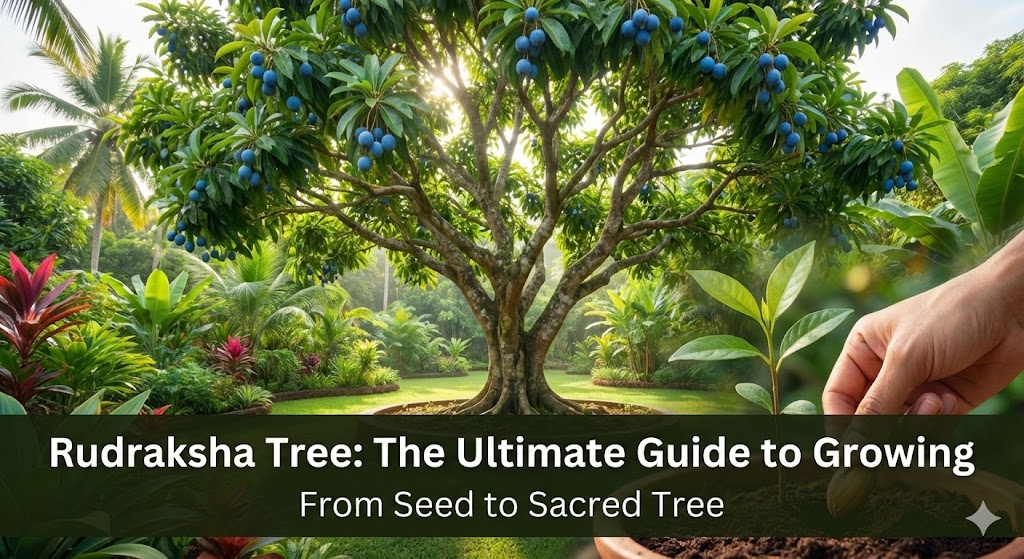
Did you know that a single Rudraksha bead can take 15 to 20 years to form naturally on the tree? The Rudraksha tree (Elaeocarpus ganitrus) has captivated spiritual seekers, botanists, and nature enthusiasts for thousands of years. This extraordinary evergreen holds a special place in Hindu mythology and continues to be revered across South Asia and beyond.
If you’ve ever wondered how to grow a Rudraksha tree at home, what makes these sacred beads so powerful, or where these magnificent trees flourish naturally, you’re in the right place. Many people struggle to find accurate, comprehensive information about cultivating and caring for this remarkable species.
In this complete guide, you’ll discover everything from the scientific characteristics of Elaeocarpus ganitrus to practical growing tips, spiritual benefits, Vastu placement guidelines, and the various types of Rudraksha beads. Whether you’re a devotee seeking spiritual growth or a gardening enthusiast looking for something unique, this article provides all the knowledge you need.
What Is a Rudraksha Tree? Understanding Elaeocarpus Ganitrus
The Rudraksha tree, scientifically known as Elaeocarpus ganitrus, belongs to the Elaeocarpaceae family. This large evergreen tree is native to the Himalayan regions and grows abundantly in Nepal, Indonesia, and certain parts of India. The name “Rudraksha” comes from Sanskrit, combining “Rudra” (a name for Lord Shiva) and “Aksha” (meaning eyes), translating to “the eyes of Lord Shiva.”
Featured Definition: The Rudraksha tree (Elaeocarpus ganitrus) is a large evergreen tree that produces sacred beads used in Hindu and Buddhist spiritual practices. Native to the Himalayan foothills, it can grow up to 15-60 feet tall and produces blue fruits containing the distinctive multi-faced seeds known as Rudraksha beads.
Botanical Characteristics of the Rudraksha Tree
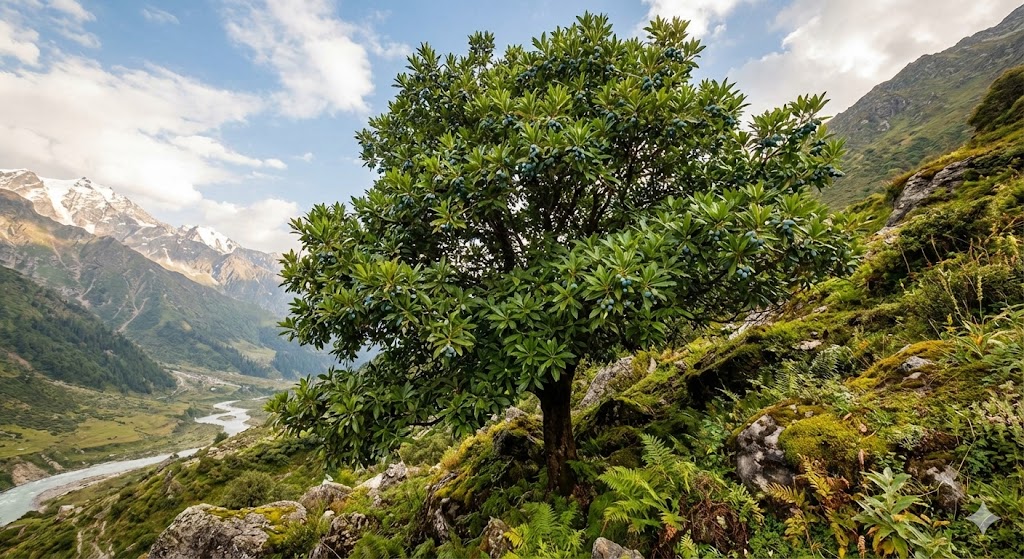
Understanding the physical features of this sacred tree helps gardeners and enthusiasts identify and care for it properly. The Rudraksha tree displays several distinctive characteristics that set it apart from other tropical species.
The tree typically reaches heights between 15 to 60 feet (5 to 18 meters), depending on growing conditions and age. Its trunk is cylindrical with grayish-brown bark that becomes rough and fissured as the tree matures. The crown spreads wide, providing excellent shade coverage.
Leaves are simple, alternate, and lanceolate (spear-shaped) with serrated edges. They measure approximately 5 to 7 inches long and display a deep green color on the upper surface with a lighter underside. The tree remains evergreen in favorable climates, though it may become semi-deciduous in cooler regions.
White fragrant flowers bloom in clusters during spring and early summer. These hermaphrodite flowers have five petals with fringed edges, creating a delicate, lace-like appearance. The blooming period attracts various pollinators, including bees and butterflies.
The Sacred Fruit: From Flower to Bead
After successful pollination, the flowers develop into round drupes (stone fruits) approximately 2 to 4 centimeters in diameter. Initially green, these fruits turn a striking vibrant blue when ripe—one of the tree’s most distinctive features. The blue color results from unique pigments in the outer flesh.
Inside each fruit lies the treasured Rudraksha seed. When the outer pulp is removed, the hard, brown seed reveals its characteristic grooves or “faces” (mukhis). These natural divisions determine the bead’s type and spiritual significance.
Where Do Rudraksha Trees Grow? Natural Habitat and Distribution
The Rudraksha tree thrives in specific geographical and climatic conditions. Understanding its natural habitat is essential for successful cultivation, whether in gardens or containers.
Rudraksha Tree in India: Key Growing Regions
In India, Rudraksha trees grow predominantly in the Himalayan foothills and northeastern states. The Rudraksha tree in India finds ideal conditions in several regions known for their spiritual significance and suitable climate.
- Uttarakhand: Particularly around Haridwar, Rishikesh, and the Garhwal region
- Assam: Known for producing high-quality beads
- Arunachal Pradesh: Home to several varieties
- Himachal Pradesh: Higher altitude plantations
- West Bengal: Darjeeling and surrounding hills
Global Distribution: Nepal, Indonesia, and Beyond
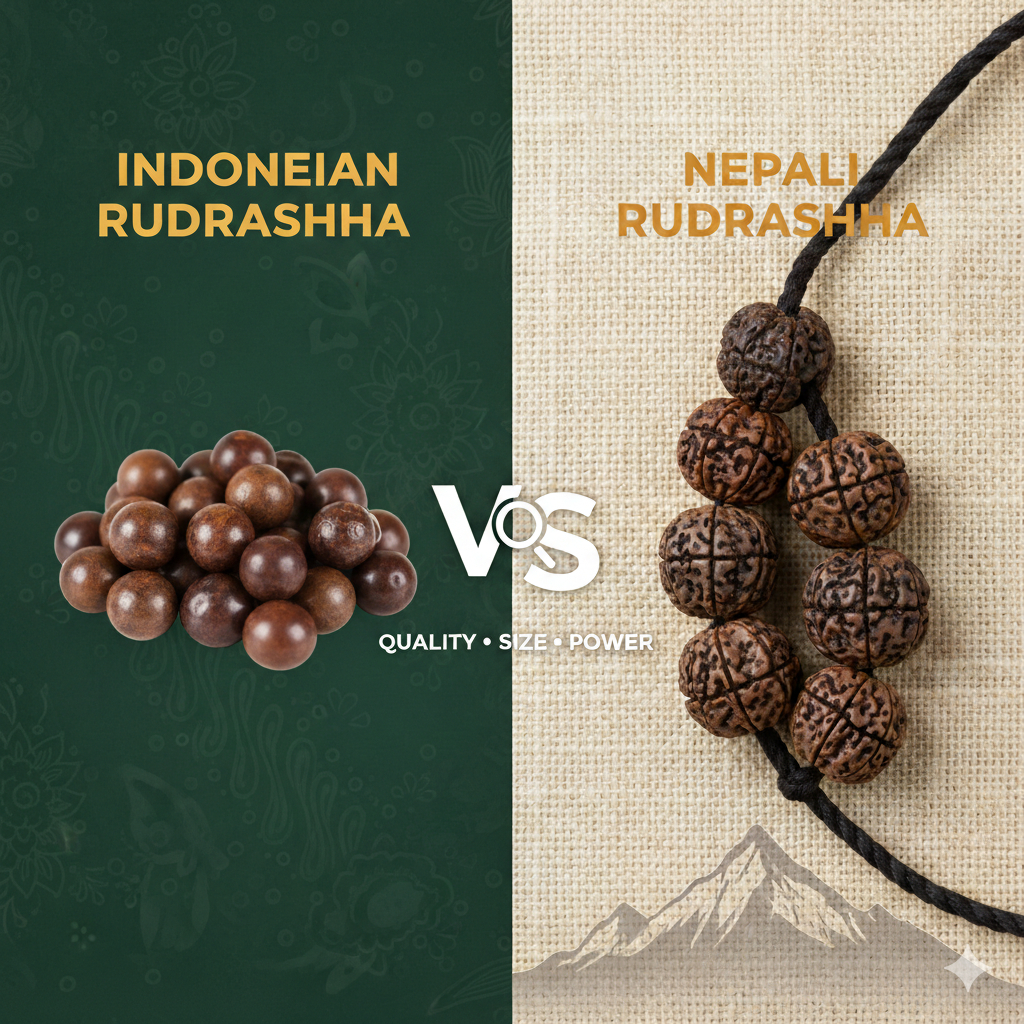
Nepal remains the most famous source of Rudraksha beads worldwide. The Himalayan kingdom’s climate creates ideal conditions for producing beads with exceptional clarity and energy. Indonesian Rudraksha trees, particularly those in Java and Sumatra, produce larger quantities but with different characteristics.
Other countries where Rudraksha trees grow include Myanmar, Sri Lanka, Malaysia, Papua New Guinea, Australia, Guam, and Hawaii. Each region’s unique climate influences the size, quality, and appearance of the beads produced.
Ideal Climate Conditions for Rudraksha Trees
| Factor | Optimal Range |
| Altitude | 500 to 2,000 meters above sea level |
| Temperature | 15°C to 35°C (59°F to 95°F) |
| Rainfall | 1,500 to 2,500 mm annually |
| Humidity | 60% to 90% |
| Soil Type | Well-drained, slightly acidic (pH 5.5-6.5) |
| Sunlight | Partial to full sun (6+ hours daily) |
How to Grow Rudraksha Tree at Home: Complete Planting Guide
Growing a Rudraksha tree at home requires patience, proper preparation, and consistent care. While these trees naturally grow in specific Himalayan conditions, dedicated gardeners can successfully cultivate them in suitable climates or controlled environments. This section explains how to grow Rudraksha tree at home step by step.
Step-by-Step Guide: Growing Rudraksha from Seeds
Propagating Rudraksha from seeds is the most common method. Follow these detailed steps for the best germination rates:
- Select Quality Seeds: Choose fresh, viable Rudraksha seeds from a reputable source. Seeds should be plump, firm, and free from cracks or damage. Fresh seeds (collected within the past year) have significantly higher germination rates.
- Prepare the Seeds: Remove any remaining fruit pulp by soaking seeds in water for 24 to 48 hours. Gently scrub away the softened pulp using a soft brush.
- Scarification (Optional): Rudraksha seeds have hard outer shells. Lightly sanding one end of the seed with fine sandpaper can help water penetrate and speed germination.
- Soak Seeds: Place prepared seeds in lukewarm water for 24 hours. Seeds that float are typically not viable; use only seeds that sink.
- Prepare Growing Medium: Mix equal parts peat moss, perlite, and well-rotted compost. This creates a well-draining yet moisture-retentive medium ideal for germination.
- Plant Seeds: Sow seeds about 1 inch deep in individual pots or a seed tray. Space seeds at least 2 inches apart if using a tray.
- Create Ideal Conditions: Maintain consistent moisture without waterlogging. Keep temperature between 20°C to 25°C (68°F to 77°F). Cover with clear plastic to maintain humidity.
- Wait Patiently: Germination typically takes 1 to 3 months. Some seeds may take up to 6 months. Maintain consistent care throughout this period.
Soil Requirements and Preparation
The right soil composition is crucial for Rudraksha tree health. These trees prefer slightly acidic to neutral soil (pH 5.5 to 6.5) with excellent drainage. Heavy clay soils or waterlogged conditions can lead to root rot and stunted growth.
For container growing, create a custom potting mix using one part garden soil, one part coarse sand or perlite, one part well-rotted compost or leaf mold, and a handful of neem cake for natural pest resistance. This combination provides adequate nutrients while ensuring proper aeration.
For ground planting, amend heavy soils by adding organic matter and sand to improve drainage. Dig a planting hole twice the width and depth of the root ball. Layer the bottom with gravel for additional drainage support.
Watering and Fertilization Schedule
Proper watering is essential for Rudraksha tree development. Young seedlings require consistent moisture—water when the top inch of soil feels dry. Established trees are more drought-tolerant but benefit from regular deep watering during dry periods.
During active growth (spring and summer), water deeply once or twice weekly. Reduce watering in fall and winter when growth slows. Always check soil moisture before watering to prevent overwatering, which can cause root problems.
For fertilization, apply balanced organic fertilizer (such as 10-10-10) during the growing season. Feed monthly from spring through late summer. Avoid fertilizing in winter when the tree’s growth naturally slows. Supplement with micronutrients like iron and magnesium if leaves show yellowing.
Growing Rudraksha in Containers
Container cultivation offers flexibility for gardeners in unsuitable climates. While Rudraksha trees grow large in nature, they adapt reasonably well to container life with proper care.
Start seedlings in 6-inch pots and progressively move to larger containers as roots fill the space. Choose pots with multiple drainage holes. Add a layer of gravel at the bottom before adding potting mix.
Container-grown Rudraksha trees can be moved indoors during cold winters (temperatures below 10°C or 50°F). Place near a bright window or supplement with grow lights. Maintain humidity through regular misting or a pebble tray.
Rudraksha Tree Benefits: Spiritual, Environmental, and Practical Uses
The benefits of the Rudraksha tree extend far beyond spiritual significance. From environmental contributions to practical applications, this remarkable species offers numerous advantages. Understanding these Rudraksha tree benefits helps appreciate why this tree has been revered for millennia.
Spiritual and Religious Significance
In Hindu tradition, Rudraksha beads are considered sacred objects with profound spiritual properties. Devotees believe wearing Rudraksha beads helps in meditation by calming the mind and enhancing concentration. The beads are thought to create a protective shield against negative energies.
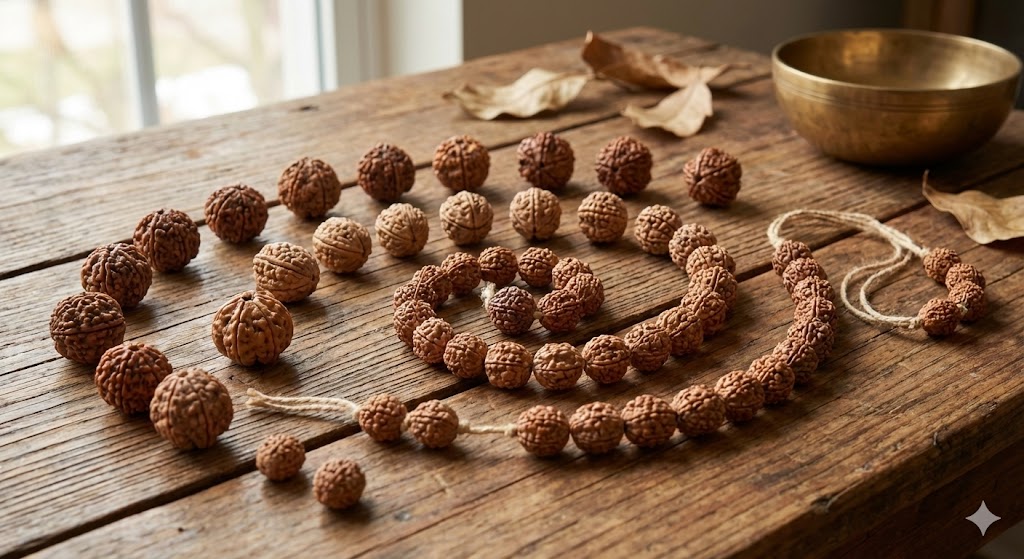
Rudraksha malas (prayer bead necklaces) traditionally contain 108 beads, a sacred number in Hinduism and Buddhism. Practitioners use these malas for japa (repetitive chanting) as a devotional practice and meditation aid.
Different types of beads (based on the number of faces or mukhis) are associated with different deities and purposes. This spiritual classification gives each bead unique significance in religious practice.
Environmental Benefits
As a large evergreen tree, Rudraksha contributes significantly to environmental health. The tree’s dense canopy provides excellent carbon sequestration, helping combat climate change. A mature Rudraksha tree can absorb substantial amounts of carbon dioxide annually.
The tree provides important habitat and food sources for wildlife. Birds and small mammals consume the fruit pulp, while the dense foliage offers nesting sites and shelter. The flowers attract pollinators, supporting local ecosystem health.
Rudraksha trees help prevent soil erosion on hillsides due to their extensive root systems. In their native Himalayan regions, these trees play a crucial role in maintaining slope stability and protecting watersheds.
Practical and Economic Uses
Beyond spiritual applications, Rudraksha trees offer several practical benefits. The wood is moderately hard and suitable for various woodworking applications, though it’s rarely used commercially due to the tree’s sacred status.
The fruit pulp has traditionally been used in folk remedies. However, consult qualified practitioners before using any plant materials for traditional purposes.
Rudraksha cultivation supports rural economies in Nepal and India. Bead processing provides income for thousands of families in mountainous regions where other economic opportunities may be limited.
Types of Rudraksha Beads: Understanding Mukhis and Their Significance
Rudraksha beads are classified by the number of natural divisions or “faces” (mukhis) visible on their surface. These divisions run from top to bottom of the bead, creating distinct segments. Understanding the types of Rudraksha beads helps enthusiasts select appropriate beads for their spiritual practice.
| Mukhi | Associated Deity | Traditional Significance |
| 1 Mukhi | Lord Shiva | Considered rarest and most powerful; associated with enlightenment |
| 2 Mukhi | Ardhanarishvara | Represents unity; traditionally used for harmony |
| 3 Mukhi | Agni (Fire God) | Associated with purification and energy |
| 4 Mukhi | Lord Brahma | Connected to knowledge and creativity |
| 5 Mukhi | Lord Shiva (Kalagni) | Most common type; considered general purpose for well-being |
| 6 Mukhi | Lord Kartikeya | Associated with focus and willpower |
| 7 Mukhi | Goddess Lakshmi | Traditionally linked to prosperity and good fortune |
Rarer varieties include 8 to 21 mukhi beads, each with unique traditional associations. Beads with more faces become progressively rarer and more valuable. Extremely rare varieties like the 1 mukhi (one-faced) command premium prices due to their scarcity.
How to Identify Authentic Rudraksha Beads
With increasing demand, counterfeit Rudraksha beads have become common in the market. Learning to identify authentic beads helps ensure you obtain genuine specimens.
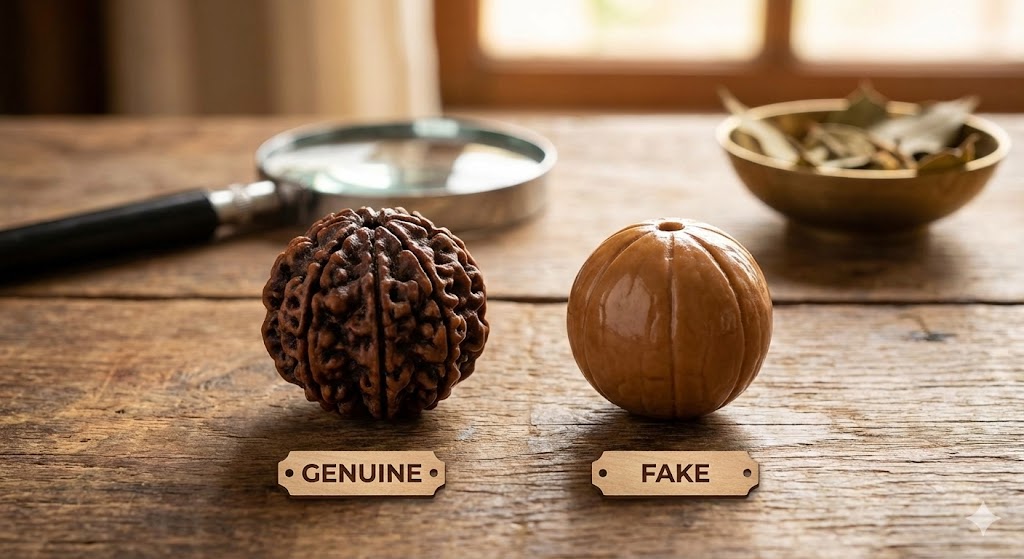
- Water Test: Genuine Rudraksha sinks in water due to its density. However, some fakes also sink, so this test alone is not conclusive.
- Visual Inspection: Authentic beads have natural, uneven mukhi lines that run from top to bottom. Artificial lines appear too perfect or uniform.
- Surface Texture: Real Rudraksha has a rough, bark-like texture. Over-polished or waxy surfaces may indicate artificial treatment.
- Seed Chambers: X-ray examination reveals internal seed chambers matching the number of external mukhis in authentic beads.
- Source Verification: Purchase from reputable dealers who provide authenticity certificates and have transparent sourcing practices.
Rudraksha Plant Vastu: Placement Guidelines for Positive Energy
Vastu Shastra, the traditional Indian system of architecture and spatial arrangement, provides specific guidelines for placing sacred plants like Rudraksha. Following proper Rudraksha plant Vastu principles is believed to maximize positive energy flow within your home or property.
Best Directions for Planting Rudraksha Trees
According to Vastu principles, the northeast (Ishaan) corner of your property is considered most auspicious for planting sacred trees, including Rudraksha. This direction is associated with positive cosmic energy and spiritual growth.
The east direction is another favorable option, as it receives morning sunlight and represents new beginnings. The north direction, associated with wealth and prosperity, is also considered suitable for Rudraksha placement.
Avoid planting Rudraksha trees in the southwest corner, as this area is traditionally reserved for heavier structures. Similarly, the southeast corner (associated with fire element) may not provide ideal energetic conditions according to Vastu guidelines.
Indoor Placement for Potted Rudraksha Plants
For container-grown Rudraksha plants kept indoors, similar directional principles apply. Place potted plants near windows facing east or north for optimal energetic benefits according to Vastu.
The prayer room or meditation space is considered an excellent location for Rudraksha plants. The plant’s presence is believed to enhance the spiritual atmosphere of these dedicated spaces.
Avoid placing Rudraksha plants in bathrooms, kitchens, or areas with negative energy accumulation. Keep plants away from electronic equipment and cluttered spaces, which may disrupt positive energy flow.
Additional Vastu Tips for Rudraksha Care
- Maintain cleanliness around the plant area to support positive energy
- Water the plant during early morning hours (before 9 AM) when possible
- Some practitioners light incense near the plant as an offering
- Avoid placing thorny plants near Rudraksha according to Vastu principles
- Ensure the plant receives adequate natural light and fresh air circulation
Rudraksha Tree Care: Maintenance Tips for Healthy Growth
Proper care ensures your Rudraksha tree thrives and potentially produces sacred beads. This section covers essential maintenance practices for both young seedlings and mature trees.
Pruning and Shaping
Minimal pruning is required for Rudraksha trees. Remove dead, damaged, or diseased branches promptly to maintain plant health. Light pruning to shape young trees can be done during late winter or early spring before new growth begins.
For container plants, pruning helps control size and encourage bushier growth. Pinch back growing tips to promote branching. Avoid heavy pruning, which can stress the tree and reduce fruit production potential.
Pest and Disease Management
Rudraksha trees are generally resistant to major pests and diseases when grown in appropriate conditions. However, several issues may occasionally arise.
Common pests include aphids, mealybugs, and scale insects. Regular inspection helps catch infestations early. Treat minor infestations with neem oil spray or insecticidal soap. For severe cases, consult a local horticulturist.
Root rot is the most common disease, typically caused by overwatering or poor drainage. Symptoms include yellowing leaves, wilting despite moist soil, and soft, brown roots. Prevention through proper watering practices is key.
Leaf spot diseases may occur in humid conditions. Improve air circulation around the tree and avoid wetting foliage when watering. Remove affected leaves and apply appropriate fungicide if necessary.
Seasonal Care Guide
Spring: Resume regular fertilization as new growth emerges. Check for winter damage and prune as needed. Increase watering frequency as temperatures rise.
Summer: Maintain consistent watering during hot periods. Apply mulch around the base to retain moisture and regulate soil temperature. Watch for pests, which are most active during warm months.
Fall: Reduce fertilization as growth slows. Harvest mature fruits if your tree is old enough to produce. Prepare container plants for winter by moving to protected locations.
Winter: Protect young trees from frost with covers or by moving containers indoors. Reduce watering but don’t allow soil to dry completely. Avoid fertilizing during dormancy.
When Does a Rudraksha Tree Bear Fruit? Timeline and Expectations
Patience is essential when growing Rudraksha trees for their sacred beads. Understanding the fruiting timeline helps set realistic expectations for your cultivation journey.
Growth Stages and Fruiting Age
Rudraksha trees typically require 7 to 10 years to reach maturity and begin producing fruit under optimal growing conditions. Some trees may take longer, especially when grown outside their native climate range or in containers.
Trees grown from seed generally take longer to fruit than those propagated from cuttings or grafted specimens. Grafted trees may begin fruiting in 4 to 5 years, though this technique is less commonly used for Rudraksha.
The fruiting season occurs between June and October in most growing regions. Flowers appear in spring, and fruits develop over several months. Ripe fruits display the characteristic blue color and can be harvested for bead extraction.
Factors Affecting Fruit Production
Several factors influence when and how well your Rudraksha tree produces fruit. Climate plays a crucial role—trees grown in conditions closely matching their native Himalayan habitat tend to fruit earlier and more abundantly.
Proper nutrition supports flower and fruit development. Trees receiving adequate phosphorus and potassium (elements that promote flowering and fruiting) may produce earlier than nutrient-deficient specimens.
Pollination is another important factor. While Rudraksha flowers are hermaphrodite, cross-pollination between multiple trees often results in better fruit set. If space permits, planting multiple trees can improve fruiting success.
Conclusion: Embracing the Sacred Rudraksha Tree
The Rudraksha tree (Elaeocarpus ganitrus) represents a remarkable intersection of spirituality, nature, and human cultivation. Throughout this comprehensive guide, we’ve explored everything from botanical characteristics to practical growing advice.
Key takeaways include understanding that Rudraksha trees require patience—from seed germination taking months to fruit production requiring years. Success depends on providing appropriate conditions, including proper soil drainage, consistent moisture, and protection from extreme temperatures.
Whether you’re drawn to the Rudraksha tree for its spiritual significance, environmental benefits, or simply as an unusual addition to your plant collection, the journey of cultivation can be deeply rewarding. The knowledge that your tree connects to thousands of years of tradition adds meaning to every stage of growth.
Are you ready to begin your Rudraksha growing journey? Share your experiences or questions in the comments below, and consider sharing this guide with others interested in this sacred tree.
Frequently Asked Questions About Rudraksha Trees
Can Rudraksha trees survive in cold climates?
Rudraksha trees are tropical to subtropical species and cannot tolerate frost or extended cold periods. In cold climates (USDA zones below 9), grow Rudraksha in containers that can be moved indoors during winter. Maintain indoor temperatures above 10°C (50°F) and provide bright light through south-facing windows or grow lights. Some gardeners successfully overwinter Rudraksha in heated greenhouses.
How can I tell if my Rudraksha seeds are viable before planting?
Perform a simple float test by placing seeds in water for 24 hours. Viable seeds typically sink due to their density, while hollow or damaged seeds often float. Additionally, examine seeds for cracks, holes, or unusual softness—healthy seeds should be firm and intact. Fresh seeds (less than one year old) from reputable sources have the highest germination rates, typically around 50-70%.
Why are the leaves on my Rudraksha tree turning yellow?
Yellow leaves can indicate several issues. Overwatering is the most common cause—ensure soil drains well and allow the top inch to dry between waterings. Nutrient deficiency, particularly nitrogen or iron, can also cause yellowing. Test soil pH (should be 5.5-6.5) and apply balanced fertilizer during the growing season. Environmental stress from temperature extremes or sudden changes may also trigger leaf yellowing.
Do Rudraksha trees need a male and female plant to produce fruit?
No, Rudraksha trees produce hermaphrodite flowers containing both male and female reproductive parts. A single tree can self-pollinate and produce fruit. However, cross-pollination between multiple trees often improves fruit set and bead quality. If you have space, planting two or more trees can enhance overall production, though this is not strictly necessary for fruit development.
Can I grow Rudraksha tree indoors permanently?
While Rudraksha can survive indoors, permanent indoor cultivation presents challenges. These trees naturally grow quite large and require significant light levels. For long-term indoor growing, provide at least 6-8 hours of bright light daily (supplementing with grow lights), maintain humidity above 50%, ensure good air circulation, and expect slower growth and unlikely fruiting. Most successful indoor growers eventually move mature plants outdoors seasonally.
What is the lifespan of a Rudraksha tree?
Rudraksha trees are long-lived species that can survive for several hundred years under optimal conditions. In their native Himalayan forests, some specimens are estimated to be over 200 years old. Cultivated trees with proper care can easily live 50-100+ years. The trees continue producing fruit throughout their mature life, with production potentially increasing as trees reach full maturity around 15-20 years of age.